文化体育
为什么年轻的韩国人会喜欢日本动画系列《千和?》
中文译文
“我担心所有商品都会卖光。他们应该会不断补货吧?”
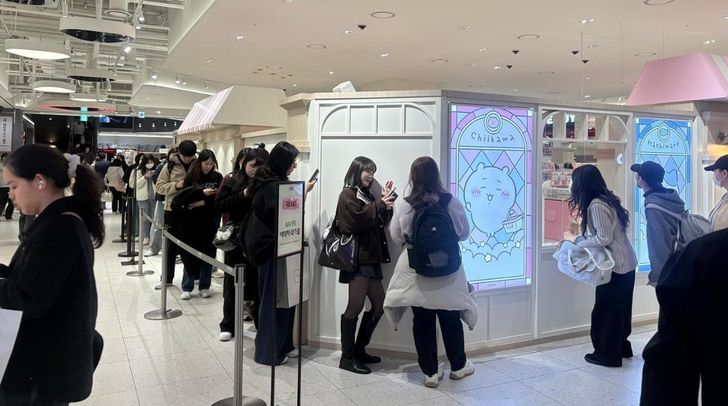
11月5日,首尔龙山区I’Park商场三楼的Chiikawa商店外排起了长队。粗略统计,等候购物的顾客已有50多人。他们都是来购买源自日本动画系列《Chiikawa》的周边商品。
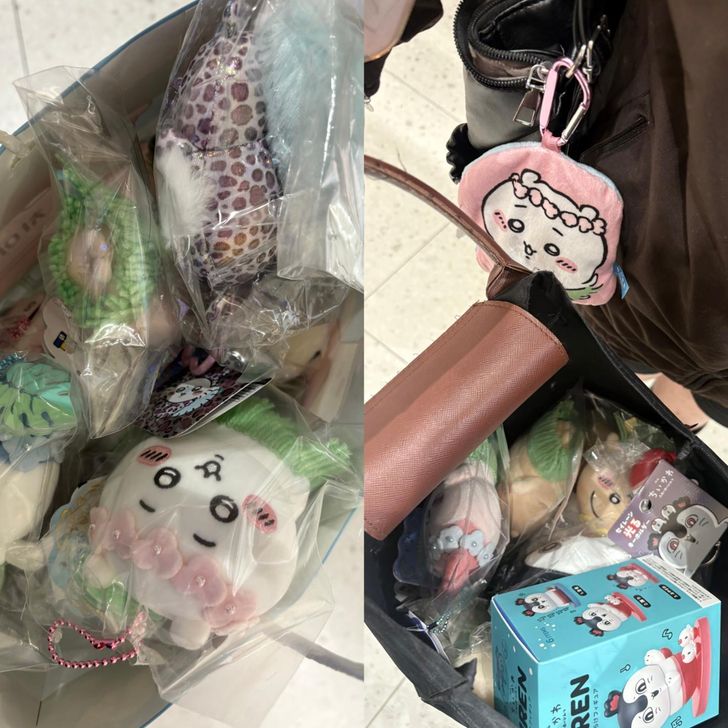
27岁的顾客金某买完东西后,手里拿着一个装满毛绒玩具、手办和钥匙扣的大袋子。“我喜欢上这部动画,是因为在Chiikawa克服生活困难并不断成长的过程中,我看到了希望,”金某笑着说,“我不停地往购物篮里加东西,最后一共花了460,000韩元(约合315美元)。”由日本漫画家长野创作的《千和》,描绘了一群被统称为“小巧可爱”的角色的日常生活。在韩国,这部作品不仅深受儿童喜爱,20多岁和30多岁的人群也对其极为追捧。于9月30日上映的剧场版《千和:美人鱼岛的秘密》截至11月16日已吸引了约295万名观众。在二手交易平台上,一些限量版的角色毛绒玩具售价超过10万韩元。《千和》受欢迎的秘诀在于其可爱外表之下所隐藏的现实主义世界观。这部漫画讲述了胆小爱哭的千和、心地善良的八幡以及性格自由的兔。这些角色以除草和猎杀危险怪物为生,同时还会参加各种资格考试,希望能获得更高的工资或从事自己理想的工作。他们的收入取决于所获得的证书等级。例如,千和在参加考试失败而八幡通过后便感到十分沮丧。
这些角色为改善未来而努力工作、艰难度日的情景,与当今年轻人的生活产生了共鸣。24岁、正在准备就业的尤说:“我在那些他们购买学习资料、熬夜备考以获取证书,或是去面馆寻找工作的场景中看到了自己的影子。”角色们在住房问题上的挣扎也反映了现实情况。千川通过抽奖赢得了住房,而八幡则住在洞穴里。28岁的崔昌勋与姐姐一起从仁川延寿区来到这家店铺,他说:“他们的生活状况会因住房抽奖的结果而有所不同,这与我们现实生活中的情况很相似。他们成熟的一面与可爱的外表形成对比,让我很受吸引。”
另一个吸引人的地方在于角色们之间的友谊,以及他们在艰难处境下依然互相安慰的方式。22岁的大学生成延在看到八幡通过资格考试后帮助未能通过的千川再次备考的场景时,特别深受感动。
成延说:“看到他们互相支持,无论是为朋友买饭还是分享自己擅长的技能,都让人感到温暖。”15岁的崔恩瑞补充道:“平时胆小又笨拙的千和为了朋友而鼓起勇气对抗可怕的怪物,这一幕让我深受感动。因为我们有着相似的特质,所以我更加喜欢这个角色了。”
专家们表示,千和的受欢迎也反映了韩国年轻人中的“上帝生”文化——一种以制定计划、设定目标并努力实现它们为核心的生活方式。
流行文化评论家郑德贤说:“尽管这些角色看起来很可爱,但他们所面临的处境却反映了生活的残酷现实。他们的世界展现了人们在努力奋斗的同时,又不得不接受生活艰难这一事实的矛盾心理。”成均馆大学社会学教授库正宇表示:“在韩国社会,人们不仅要面对失败的失望,还要承受他人评价和社会污名的巨大压力。在这些角色互相扶持的过程中,他们找到了在现实生活中难以获得的慰藉与接纳。”
本文来自《韩国时报》的姊妹报刊《韩国日报》,由生成式人工智能系统翻译,并经《韩国时报》编辑。
原文
"I'm worried everything will sell out. They'll keep restocking, right?"
A long line of customers stretched outside the Chiikawa Shop on the third floor of I'Park Mall in Yongsan District, Seoul, Nov. 5. A quick count put the number of people waiting at well over 50. They had come to buy merchandise featuring characters from the Japanese animated series "Chiikawa."
One shopper, surnamed Kim, 27, emerged carrying a large bag filled with stuffed toys, figurines and key rings. "I came to love the animation because I find hope in the way Chiikawa overcomes life's hardships and grows along the way," Kim said with a laugh. "I kept adding things to my basket and ended up spending 460,000 won ($315)."
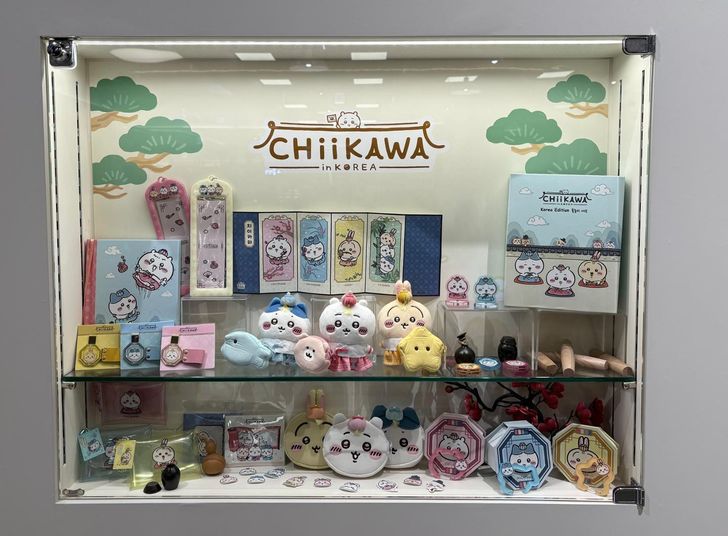
"Chiikawa," created by Japanese manga artist Nagano, depicts the everyday lives of characters collectively described as "something small and cute." In Korea, the series has gained a large following not only among children but also among people in their 20s and 30s. The theatrical film "Chiikawa: The Secret of Mermaid Island," which opened Sept. 30, had attracted approximately 2.95 million moviegoers as of Nov. 16. On secondhand trading platforms, some limited-edition character plush toys are listed for prices over 100,000 won.
The secret to Chiikawa's popularity lies in its realistic worldview, hidden beneath its adorable exterior. The manga features Chiikawa, a timid and tearful character; Hachiware, who is kindhearted; and Usagi, who is free-spirited. The characters make a living by pulling weeds and hunting down dangerous monsters. They also take qualification exams in hopes of earning higher wages or pursuing the jobs they want. Their income varies depending on their certification level. Chiikawa, for instance, becomes disheartened after failing an exam that Hachiware passes.
The characters' struggles to get through each day while working hard for a better tomorrow resonate with the lives of young people today. Yoo, 24, who is preparing for employment, said, "I saw myself in scenes where they buy workbooks and study late into the night to earn certifications, or visit a noodle restaurant looking for work."
The characters' struggles with housing also mirror reality. Chiikawa wins a home through a prize drawing, while Hachiware lives in a cave. Choi Chang-sun, 28, who visited the shop with his older sister from Incheon's Yeonsu District, said, "I could relate to how their living situations differ depending on the outcome of a housing subscription lottery, just as in our own lives. I was drawn to their mature side, which contrasts with their cute appearance."
Another appeal lies in the characters' friendships and the way they comfort one another despite their difficult circumstances. University student Jung Yeon-jae, 22, was particularly impressed by scenes in which Hachiware, having passed a qualification exam, helps the unsuccessful Chiikawa study for another attempt.
"I found it heartwarming to see them support one another, whether by buying a friend a meal or sharing tips on something they're good at," Jung said.
Choi Eun-seo, 15, added, "I was moved by how Chiikawa, who is usually timid and clumsy, finds the courage to stand up to frightening monsters for the sake of friends. I feel even more attached to the character because we have similar sides."
Experts say Chiikawa's popularity also reflects the "God-saeng" culture among young Koreans — a lifestyle centered on making plans, setting goals and working diligently to achieve them.
"Despite the characters' adorable appearances, the circumstances they face reflect the harsh realities of life," pop culture critic Jung Deok-hyun said. "Their world captures the ambivalent feelings of wanting to work hard while also resigning oneself to the idea that it is difficult to get by otherwise."
Koo Jeong-woo, a sociology professor at Sungkyunkwan University, said, "In Korean society, people face not only the disappointment of failure but also considerable pressure from others' judgments and social stigma. They find the comfort and acceptance that are difficult to obtain in real life in the way these characters support one another."
This article from the Hankook Ilbo, the sister publication of The Korea Times, is translated by a generative AI system and edited by The Korea Times.