社会民生
首尔某区准备将宠物葬礼直接送到居民家中。
中文译文
首尔的快递滑板车可在一小时内送达从半夜煮好的泡菜汤到设计师手袋等各类物品,不久之后,该市东部的宠物主人也将能够同样便捷地召唤灵车。
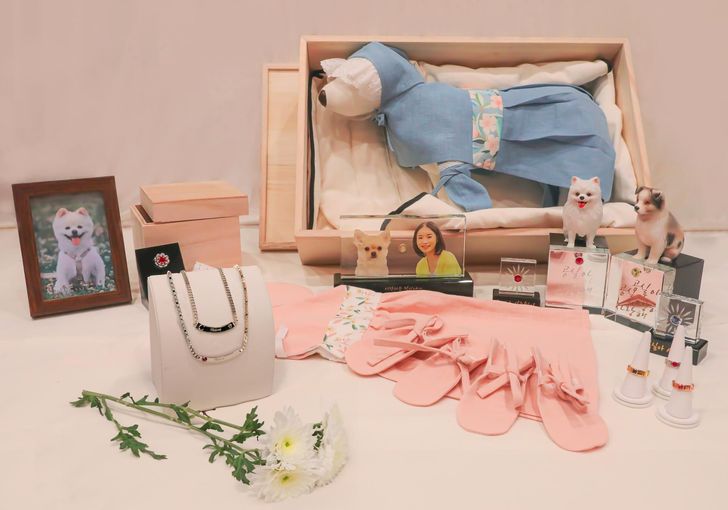
从12月开始,位于首尔市中心东侧的城东区将推出市政移动宠物殡葬服务,派遣专用车辆前往居民家中接走逝去的宠物,举行纪念仪式,并进行无味无烟的火化处理,之后再将骨灰装入骨灰罐归还给主人。本月早些时候,该区办事处与当地宠物殡葬服务公司Petmoon签署了合作协议,从而正式推出了这项计划。它旨在解决韩国人口密集的首都所面临的棘手城市问题。目前,大约四分之一的韩国家庭——全国约1500万人——养有宠物,但严格的区域划分规定使得有资质的宠物火化场只能设在郊区。对于无法开车或年龄较大的居民来说,要与宠物作最后的告别往往意味着要经历一段漫长而艰难的出行过程。
根据新计划,城东区已注册的宠物主人使用这项上门服务可享受60%的折扣。低收入家庭可享受80%的折扣,而75岁及以上的独居老人则可完全免费使用该服务。这一举措凸显出在韩国,宠物护理已迅速从个人开支转变为市政福利问题。韩国正面临全球最低的出生率以及不断上升的单人家庭数量。在首尔各地,各区政府越来越多地推出对宠物友好的公共基础设施,提供从补贴性兽医服务、节假日宠物寄养所到公共宠物游乐场等各种服务。
社会学家指出,家庭结构的这种变化使得宠物成为城市居民重要的情感寄托。
“单人家庭数量的增加以及人口老龄化使得宠物变成了替代性的家庭成员,从根本上改变了韩国社会对待宠物离世和丧亲之痛的方式,”韩国动物保护协会负责人李元福在一场关于动物福利的论坛上说道。在东京、纽约和伦敦等城市,虽然有私人经营的宠物火化移动车,但地方政府很少将上门殡葬服务作为社会福利项目来提供。在韩国,虽然用普通家庭垃圾袋处理死去的宠物在法律上仍是允许的,但这对现代宠物主人来说在情感上难以接受。因此,相关官员面临着越来越大的压力,必须在不引发社区反对建立永久性火化场的情况下,提供体面且便捷的替代方案。
为避免规划方面的冲突,城东区的移动灵车会先在宠物主人选定的地点接走宠物并举行告别仪式,然后再将宠物运送到指定地点,在密封的车内进行火化。首尔城东区区长柳伯华表示:“我们推出这项计划,是为了减轻居民在与宠物告别时所面临的现实与情感负担。”他同时指出,该区旨在“在宠物生命的最后时刻”培养一种尊重伴侣动物的文化。
本文由生成式人工智能协助撰写,并经《韩国时报》编辑。
原文
Courier scooters in Seoul deliver everything from midnight kimchi stew to designer handbags in under an hour, and soon grieving pet owners in the city's east will be able to summon a hearse just as easily.
Starting in December, Seongdong District, located just east of downtown Seoul, will roll out a municipal mobile pet funeral service, dispatching specialized vans to residents' homes to collect deceased pets, hold a memorial ceremony and perform odorless, smoke-free cremations before returning the ashes in an urn.
The initiative, finalized through a partnership signed earlier this month between the district office and local pet funeral operator Petmoon, tackles a thorny urban dilemma in Korea’s densely packed capital. While roughly 1 in 4 Korean households — an estimated 15 million people nationwide — now lives with a companion animal, strict zoning rules have pushed licensed pet crematoriums to the suburban fringes. For car-free Seoulites or elderly residents, saying a final goodbye often requires a lengthy, stressful trek out of the city.
Under the new program, registered pet owners in Seongdong District will receive a 60 percent discount on the mobile service. Low-income households will get 80 percent off, and residents aged 75 and older who live alone will pay nothing at all.
The move highlights how rapidly pet care has shifted from a private expense to a municipal welfare issue in Korea, a country grappling with the world’s lowest birthrate and a soaring number of single-person households. Across Seoul, district governments have increasingly stepped in with pet-friendly public infrastructure, offering everything from subsidized veterinary care and dog-sitting shelters during holidays to public pet playgrounds.
Sociologists note that this structural shift in household makeup has elevated companion animals into central emotional anchors for urban residents.
"The rise of single-person households and aging populations has transformed pets into surrogate family members, fundamentally altering how Korean society approaches pet loss and bereavement," Lee Won-bok, head of the Korea Association for Animal Protection, told a forum on animal welfare.
While mobile pet cremation vans operate privately in cities like Tokyo, New York and London, local governments rarely underwrite door-to-door funeral services as a social welfare benefit. In Korea, where disposing of a deceased pet in standard household garbage bags remains technically legal yet emotionally unthinkable for modern owners, officials have faced mounting pressure to provide dignified, accessible alternatives without triggering neighborhood pushback over permanent crematoriums.
To sidestep zoning friction, Seongdong District’s mobile hearses will collect the animal and host the farewell ceremony at the owner's preferred location before driving to a designated site to carry out the cremation inside the sealed vehicle.
"We launched this program to ease the practical and emotional burdens residents face when preparing to say goodbye to their pets," said Seongdong District Mayor Ryoo Bo-hwa, adding that the district aims to foster a culture that respects companion animals "through their very last moment."
This article was published with the assistance of generative AI and edited by The Korea Times.