文化体育
新版《饥饿游戏》电影为原著最大的问题想出了一个有趣的解决方案
中文译文
本文包含《饥饿游戏:收割日的黎明》的剧透内容。
去年,苏珊·柯林斯创作的《饥饿游戏》第二部前传《收割日的黎明》问世后,在BookTok上引发了巨大反响,读者们纷纷表达了对这部残酷青少年小说中最令人悲伤的故事的强烈情绪。这部迅速成为畅销书并售出数百万册的《收割日的黎明》讲述了在电影中由伍迪·哈里森饰演的导师海米奇·阿伯纳西如何赢得自己的“饥饿游戏”,却又失去所有挚爱之人,最终变成一个充满怨恨、愤怒且厌世酗酒的人。整部作品贯穿着埃德加·爱伦·坡《乌鸦》中的意象与典故。如今,该系列的第六部电影《饥饿游戏:收割日的黎明》已上映,我们可以通过PG-13分级版本来了解16岁的海米奇所承受的创伤究竟是怎样的。要让这个故事对非忠实粉丝也具有趣味性确实是个挑战,因为它的内容充满了虚假的希望与无情的毁灭。这部电影以及最近四部《饥饿游戏》系列电影的导演弗朗西斯·劳伦斯将这部第二部前传描述为《饥饿游戏》粉丝们“回归正轨”的作品:就像第一部电影一样,有选拔参赛者的“抽签仪式”,有从贫困的12区到奢华的国会区的火车旅程,有形象改造场景,还有战车竞赛——正如劳伦斯所说,这些都是“人们真正喜欢的元素”。在凯特尼斯·伊夫丁自愿成为参赛者之前约24年的那一年,比赛场地色彩鲜艳、宛如高山地带,但从花朵到溪流都充满毒性。它看起来十分美丽,以充满致命魅力的姿态呈现在屏幕上。我告诉书迷们,海米奇的每一个朋友和盟友——从第12区的其他参赛者到那些与他一起试图潜入竞技场内部“破坏”比赛规则的同伴——在这部电影中全都死了,有些死法极其惨烈。不过,尽管电影中的情节已经很糟糕了,但原著中的情况更为可怕。来自第12区、性格勇敢的少女参赛者卢埃拉(莫莉·麦肯)是海米奇的重要盟友,她在赛前游行时遭遇战车事故身亡,甚至还没进入竞技场。在电影中,她死时看起来很平静;而在原著中则描述了她的头骨在撞击地面时“裂开”的情景。另一起在电影中被淡化处理的惨烈死亡事件是,来自第3区的盟友安珀特(珀西·达格斯四世)遭到了被设定为要杀死他的机械动物的攻击。在电影中,他的命运十分悲惨,他被群兽围攻,而海米奇只能无助地试图将它们赶走。但在书中,那些野兽留给安珀特的是“一具被啃得精光的小白骨架”。显然,对于一部四分级的商业大片来说,这样的场景未免过于血腥。
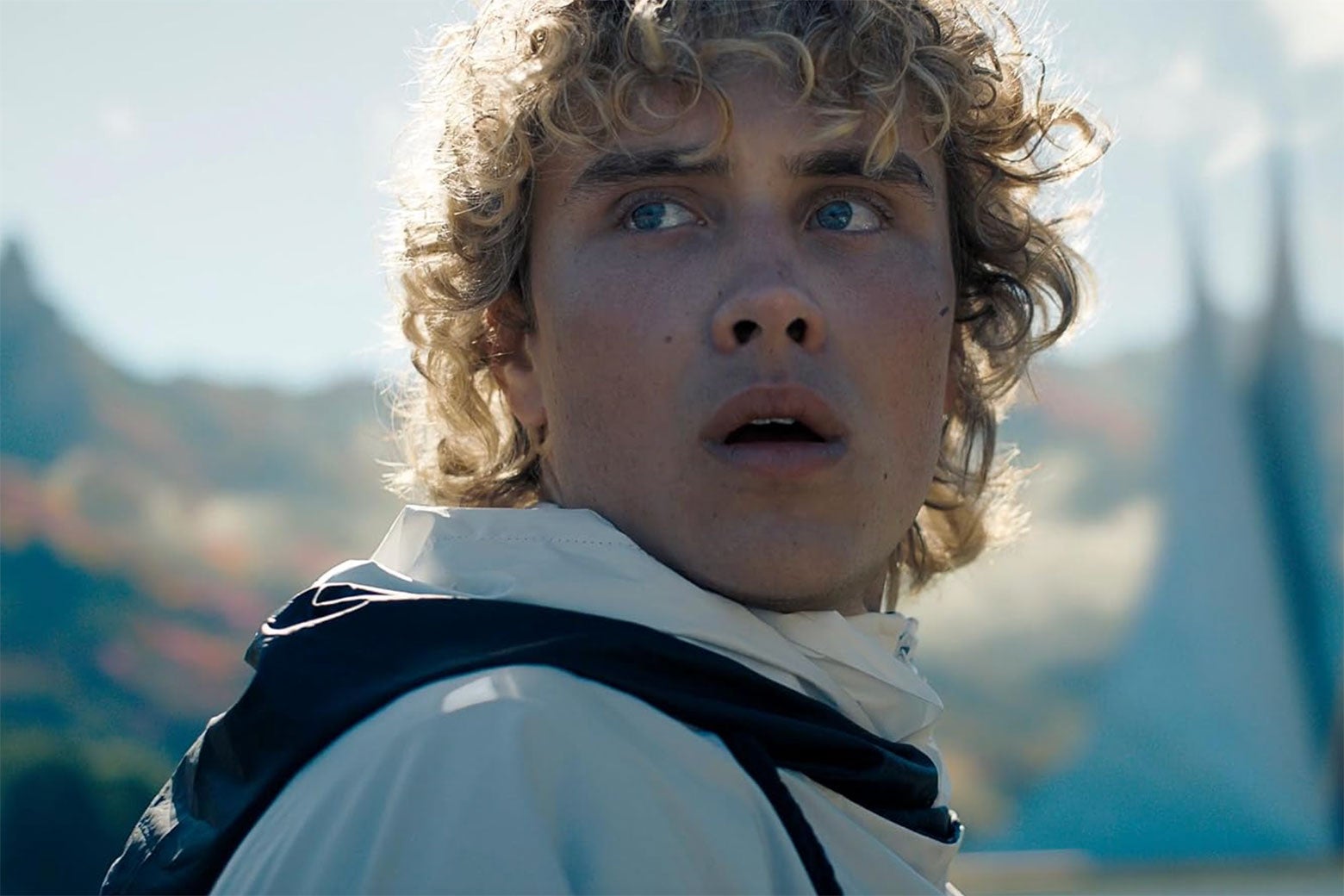
约瑟夫·扎达在电影中首次担任主角,饰演年轻的海米奇,他以出色的表演将这个叛逆又充满理想主义的年轻人形象展现得淋漓尽致。因此,尽管扎达与哈雷尔森长相相差甚远,也没有那种类似叔父般的幽默感(很少有演员具备这种特质),但这并不重要。扎达在网飞最新推出的《伊甸之东》改编剧中饰演卡尔·特拉斯克,也就是詹姆斯·迪恩的角色,他将那种忧郁与强烈的情感带入海米奇的角色中,非常适合这个黑暗的故事背景。在拍摄过程中,制片方给扎达饰演的海米奇设计了漂白的西兰花造型发型,或许是因为在比赛前的采访中,海米奇试图通过塑造“坏小子”的形象来争取赞助,他将头发向后梳得笔直,还模仿猫王的语调说话,这种形象带来的效果实在太过强烈。尽管《饥饿游戏》系列电影中存在浪漫元素,但它们从来都不算性感,毕竟这属于青少年题材作品。
在离开影院之前,海米奇必须陷入绝境。尽管劳伦斯对柯林斯故事中的赛后部分进行了大量的剪辑处理,但我们仍然要看到主角回到家后,发现他的母亲和兄弟因 Capitol 所为在一场房屋火灾中丧生——Capitol 承诺要因他试图破坏比赛而惩罚他。他与女友莱诺尔(惠特尼·皮克饰)重聚,却发现她吃下了有毒的软糖,最终在他怀里死去。凯特尼斯·伊夫丁的父母是海米奇为数不多的朋友——我们曾看到过幼年时的凯特尼斯——但海米奇陷入了极度的痛苦之中,他甚至向这对夫妇扔瓶子,将他们赶走。他发誓要成为“历史上最糟糕的获胜者”,而且他做到了。这一幕实在令人难以观看,以至于当普鲁塔克·希文斯比(杰西·普莱蒙斯饰)前来试图劝海米奇走出低谷,历经海米奇那破坏性的发怒场面后,普鲁塔克以一种低调的举动扶正了一个翻倒的杯子时,剧院里的观众们齐声大笑,渴望从这一切痛苦中得到一丝喜剧性的慰藉。制片人们或许觉得有必要以更乐观的结局来收尾,于是加了一个明星云集的尾声,提醒我们:在整部系列的漫长历程中,经过多年的沉痛哀悼之后,海米奇终将尝到成功的滋味。哈里森、詹妮弗·劳伦斯(染着凯特尼斯那样的棕色头发)以及一脸不情愿的乔什·哈彻森聚在一起,凝视着海米奇那座被藤蔓覆盖的废弃房子——那是他赢得游戏后所得到的“奖赏”。多年后,当政权覆灭,这三位盟友回忆往事,向我们保证:尽管我们刚刚目睹了种种,但一切最终都会好起来的……大概吧。他们给了伍迪·哈里森多少钱,才让他能一脸严肃地说出“再也不会有饥饿游戏了,‘永远不会再有’”这样的话?显然不够,因为我发誓他看起来简直快要崩溃了。看完这部电影后,我的心情和他如出一辙。
原文
This article contains spoilers for The Hunger Games: Sunrise on the Reaping.
When Suzanne Collins’ second Hunger Games prequel, Sunrise on the Reaping, was published last year, it provoked waves of devastation on BookTok, in which readers broadcast their huge reactions to one of the saddest stories in this brutal YA juggernaut. Sunrise, which went on to become an instant bestseller and move millions of copies, tells us how Haymitch Abernathy, the mentor figure played by Woody Harrelson in the movies, won his own Hunger Games, lost everyone he loved, and became a bitter, angry, misanthropic alcoholic. Imagery from and references to Edgar Allan Poe’s “The Raven” are threaded throughout. Now, the adaptation, The Hunger Games: Sunrise on the Reaping, the sixth movie in the franchise, is in theaters, and we can see how 16-year-old Haymitch’s trauma looks when you apply a PG-13 filter.
It’s a challenge to make this tale fun for anyone but true fans, because the story is one of false hope and relentless devastation. Francis Lawrence, the director of this movie and the other four most recent Hunger Games installments, described this second prequel as a “return to form” for Hunger Games fans: Just as in the very first film, you get a Reaping where the games’ tributes are selected, a train ride from impoverished District 12 to the excess of the Capitol, makeover scenes, chariot rides—all the stuff that, as Lawrence notes, “people really like.” The arena for the games in Haymitch’s year, which is about 24 years before Katniss Everdeen volunteers as tribute, is brightly colored and alpine but built to be toxic, from the flowers to the streams. It’s beautiful to look at, popping off the screen in all its deadly glory.
I’m not spoiling anything for book readers when I say that every single one of Haymitch’s friends and allies, from his fellow District 12 tributes to the other kids he gangs up with in a failed attempt to sneak into the bowels of the arena and “break” the games, dies in this movie, some in horrible ways. But however bad it is in the movie, it was worse in the book. Louella (Molly McCann), a spunky tween tribute from District 12 and a strong Haymitch ally, dies in a chariot accident at a pregames parade, before she even gets into the arena. In the movie she looks placid in death; in the book you hear about how her skull “cracked open” when she hit the pavement. In another memorably gruesome death softened for the screen, Ampert (Percy Daggs IV), an ally from District 3, gets set upon by “mutts” (mechanical animals) programmed to kill him. His fate in the movie is awful, with him getting swarmed while Haymitch helplessly tries to bat them away, but in the book, the mutts leave Ampert a “small white skeleton, stripped clean to the bone.” Apparently, small white skeletons are a bit much for a four-quadrant blockbuster.
Joseph Zada, who plays young Haymitch in his first lead role on the big screen, portrays this rebellious and idealistic young man with ample panache, so it barely matters that Zada looks so little like Harrelson and doesn’t exude the same undercurrent of avuncular humor. (Very few actors do.) Zada played Cal Trask, also known as the James Dean part, in the recent Netflix adaptation of East of Eden, and he brings some of that moodiness and intensity to Haymitch, which works well for this grim tale. The production stuck Zada’s Haymitch with a bleached broccoli haircut, maybe because when Haymitch is interviewed before the games and makes a play for sponsorship by leaning into a reputation as a “bad boy,” hair slicked back straight and affecting an Elvis accent, the effect is simply too powerful. Despite containing romance, the Hunger Games movies have never been sexy. This is, after all, YA.
Haymitch must fall into ruins before we leave the theater. Although Lawrence did some serious compressive work with the postgames section of Collins’ story, we still must see our hero arrive home to find that his mom and brother have died in a house fire, courtesy of the Capitol, which has vowed to punish him for his attempted disruption of the games. He reunites with his girlfriend Lenore (Whitney Peak), only to find that she has eaten a poisoned gumdrop; she dies in his arms. Katniss Everdeen’s parents are Haymitch’s only friends—we get a glimpse of baby Katniss at one point—but Haymitch descends into such a maelstrom of suffering that he drives the couple off by throwing bottles at them. He’s vowed to be “the worst victor in history,” and he succeeds. It’s hard to watch, so much so that when Plutarch Heavensbee (Jesse Plemons) visits Haymitch to try to talk him out of his funk and, after weathering Haymitch’s destructive table-clearing tantrum, Plutarch, in an understated gesture, rights a single flipped-over cup, my theater laughed in unison, desperate for any comic relief from all this pain.
The filmmakers likely felt the need to leave us on a happier note, so they tacked on a star-studded epilogue to remind us that in the long sweep of the series, Haymitch will taste success, after his years of dissolute mourning. Harrelson, Jennifer Lawrence (with Katniss-brown hair dye), and an extremely reluctant-looking Josh Hutcherson gather and gaze upon the vine-covered facade of Haymitch’s abandoned house, his toxic recompense for winning the games. It’s years later, after the collapse of the regime, and these three allies are reminiscing, reassuring us that, despite all we’ve just witnessed, everything turns out OK … ish. How much did they pay Woody Harrelson to say the line about how there will be no more Hunger Games, “… nevermore,” with a straight face? Not enough, because I swear he looked as if he were about to break. After watching this movie, I was right there with him.