国际政治
执政党阐述弹劾首席大法官的理由
中文译文
执政的朝鲜民主党周日阐述了弹劾最高法院院长赵熙大的理由,并表示将在12月底前推动国民议会进行投票,这一举措引发了可能削弱司法独立的批评。
在该党在国民议会举行的首次公开通报会上,其弹劾工作组指出了最高法院对李在明总统选举法案件的处理方式,以及赵熙大拒绝推荐新候选人填补最高法院空缺职位的行为。
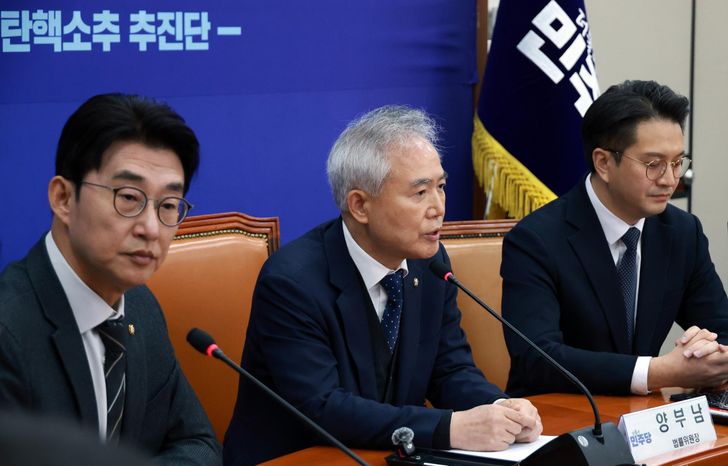
负责该工作组的杨富南议员表示:“我们将尽最大努力尽快完成弹劾提案的起草,并在12月底前将其提交国民议会投票。”但他并未给出提交提案的具体日期。该党此前提出的其他理由还包括法院对2024年12月3日宣布戒严令的回应、关于法院运营费用及现金支付的指控,以及赵某拒绝在议会作证的行为。
在最高法院将前总理韩德洙的叛乱案发回首尔高等法院的次日,民主党于周五正式决定推动对赵某的弹劾程序。
法院认为,没有足够证据表明韩德洙在敦促时任总统尹锡悦在宣布戒严令之前召开内阁会议时意图颠覆宪法秩序。不过法院维持了此前关于韩德洙在宣布戒严令后的某些行为构成参与叛乱的观点。
杨某表示,这一裁决已将该党的耐心推向极限。“我们不会以裁决的内容作为弹劾的理由,”他说。他补充称,特别工作组将审查有关法院审理此案过程中存在严重程序缺陷的指控。
主要反对党人民力量党称这一弹劾举动是政治报复行为。
“民主党是先决定要发起弹劾,然后再寻找理由吗?”人民力量党首席发言人崔博允在周日的一份声明中指责民主党在尚未确定弹劾理由之前就决定发起弹劾。她敦促执政党放弃这一企图,并警告称,基于大多数最高法院法官支持的裁决来弹劾赵某,将会损害司法独立性。
“这是一个非常情绪化的决定,”大润律师事务所的政治评论员兼顾问李钟勋在谈到民主党在韩某案裁决后决定发起弹劾时表示。李表示,民主党领袖金民锡此前曾敦促该党先进行议会调查,再慎重考虑弹劾事宜。“我认为最高法院的判决是正确的,”李在谈到法院对宣布戒严前韩某行为的判决时说道。
空缺职位的争议
围绕空缺职位的争议焦点在于总统是否有权要求首席大法官推荐其他候选人。
根据宪法,总统在首席大法官的推荐并得到议会同意的情况下任命最高法院大法官。民主党认为,赵某拒绝推荐其他候选人侵犯了总统的任命权。
在一份反对民主党此前要求对赵某进行议会调查的声明中,“制定良法民众团”的常任代表金贤指出,宪法并未要求首席大法官事先征求总统意见或推荐替代候选人。金表示:“以可能展开调查和弹劾来威胁行使宪法赋予的权力,实际上是在向首席大法官施加政治压力,迫使他按照总统的意愿行使提名权。”
李与赵之间的分歧可追溯到2025年的总统选举期间。2025年5月1日,即选举开始前一个多月,最高法院全体法官推翻了上诉法院的裁决——该裁决此前判定时任民主党候选人的李并未违反《公职人员选举法》。最高法院将此案发回首尔高等法院重审。
民主党指责法院急于处理此案以影响选举结果。而法院则称其已依照选举法迅速且彻底地审查了此案。8月,两人再次发生冲突,当时赵明来推荐大邱地方法院的高级法官孙凤基担任最高法院法官。总统办公室拒绝将这一提名提交给议会批准,并要求赵明来提出另一位候选人。
9月,赵明来拒绝了这一要求,称总统办公室未能给出具体理由或说明其宪法依据。总统办公室则反驳称,他的解读侵犯了总统的任命权。
阅读更多:为何总统与首席大法官就最高法院法官职位发生争执
原文
The ruling Democratic Party of Korea (DPK) laid out its grounds Sunday for impeaching Supreme Court Chief Justice Cho Hee-dae and said it would seek a National Assembly vote by the end of December, drawing criticism that the move could undermine judicial independence.
At its first public briefing at the Assembly, the party’s impeachment task force pointed to the Supreme Court’s handling of President Lee Jae Myung’s election law case and Cho’s refusal to recommend a new candidate for a vacant Supreme Court seat.
“We will do our utmost to finalize the impeachment motion as quickly as possible and bring it to a vote in the National Assembly before the end of December,” said Rep. Yang Bu-nam, who leads the task force. He did not give a date for filing the motion.
Other grounds previously raised by the party include the court’s response to the Dec. 3, 2024, martial law declaration, allegations over court operating expenses and cash payments, and Cho’s refusal to testify before the Assembly.
The DPK made pursuing Cho’s impeachment its official position Friday, a day after the Supreme Court sent former Prime Minister Han Duck-soo’s insurrection case back to the Seoul High Court.
The court found insufficient evidence that Han intended to subvert the constitutional order when he urged then-President Yoon Suk Yeol to convene a Cabinet meeting before the latter declared martial law. It upheld findings that some of Han’s actions after the declaration amounted to participation in the insurrection.
Yang said the ruling had pushed the party’s patience to its limit.
“We will not cite the substance of the ruling as a ground for impeachment,” he said. The task force will review allegations of serious procedural flaws in how the court heard the case, he added.
The main opposition People Power Party (PPP) has called the impeachment push political retaliation.
“Did the DPK decide to pursue impeachment first and only then look for grounds?” PPP chief spokesperson Rep. Choi Bo-yun said in a statement Sunday, accusing the DPK of deciding to pursue impeachment before establishing its grounds. She urged the ruling party to drop the effort, warning that impeaching Cho over a ruling backed by a majority of Supreme Court justices would undermine judicial independence.
“It was a very emotional decision,” said Lee Jong-hoon, a political commentator and adviser at Daeryun Law Firm, referring to the DPK’s decision to pursue impeachment after the ruling in Han’s case.
Lee said DPK leader Kim Min-seok had previously urged the party to hold a parliamentary inquiry first and give impeachment more thought. “I thought the Supreme Court got it right,” Lee said of the court’s judgment on Han’s actions before martial law was declared.
Dispute over vacant seat
The dispute over the vacant seat turns on whether the president can require the chief justice to recommend a different candidate.
Under the Constitution, the president appoints Supreme Court justices on the chief justice’s recommendation and with the Assembly’s consent. The DPK argues that Cho’s refusal to put forward another candidate infringed on the president’s appointment power.
In a statement opposing the DPK’s earlier push for a parliamentary inquiry into Cho, Kim Hyun, standing representative of People Making Good Laws, argued that the Constitution imposes no duty on the chief justice to consult the president in advance or recommend a replacement candidate.
“Raising the prospect of an inquiry and impeachment over the exercise of a constitutional power amounts to political pressure on the chief justice to exercise his nominating authority in line with the president’s wishes,” Kim said.
The rift between Lee and Cho dates back to the 2025 presidential campaign. On May 1, 2025, just over a month before the election, the Supreme Court’s full bench overturned an appeals court ruling that had acquitted Lee, then the DPK candidate, of violating the Public Official Election Act. It sent the case back to the Seoul High Court.
The DPK accused the court of rushing the case to influence the vote. The court said it had reviewed the case swiftly and thoroughly in keeping with election law.
The two clashed again in August, when Cho recommended Sohn Bong-ki, a senior judge at the Daegu District Court, for a Supreme Court seat. The presidential office declined to submit the nomination to the Assembly for confirmation and asked Cho to put forward another candidate.
Cho rejected the request in September, saying the presidential office had failed to give a specific reason or identify a constitutional basis for it. The presidential office countered that his interpretation infringed on the president’s appointment power.
Read More
Why president, chief justice are clashing over Supreme Court seat