社会民生
随着感恩节临近,技术故障日益增多,旅行者的担忧加剧,但很少有人因此改变行程。
中文译文
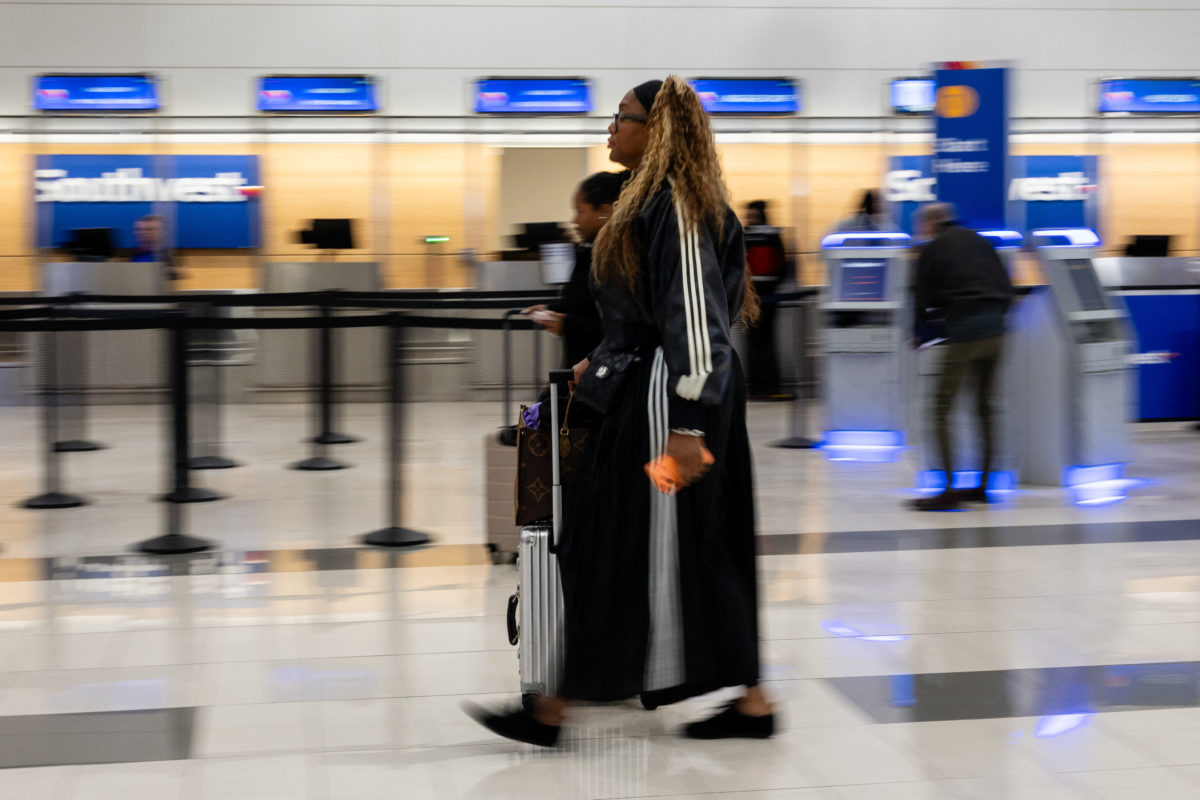
纽约(美联社)——如今,这几乎已经成了和火鸡、填料一样重要的感恩节传统——拥挤的机场、漫长的排队队伍、满载的航班,以及始终存在的对航班延误、取消和额外开支的担忧。
对于2026年从周五开始的繁忙假期出行周,现在又出现了一个新的问题:由于上周全国范围内罕见的航班停飞——这是自9/11事件以来最长时间的一次——以及几天后另一家航空公司出现的故障,人们开始担心航空运输基础设施可能会出现混乱和中断。更不用说全国各地其他非航空领域的故障和技术问题,这些都在让人们忧心忡忡。
阅读更多:因多次故障令美国人不安,白宫任命柯尔斯滕·戴维斯为网络安全负责人一想到可能出现的旅行问题,特蕾西·埃弗斯就犹豫不决,不知道是否应该继续执行本周末飞往加勒比海看望母亲并停留一周的计划,因为她还有许多事情要处理,而远离家会带来诸多麻烦。她很确定自己并非唯一有这种顾虑的人。
“对很多人来说,尤其是那些密切关注新闻的人,由于新闻中不断报道我们面临的各类基于信息技术的基础设施问题……我认为现在越来越多人感到焦虑了,”来自北卡罗来纳州罗利市的埃弗斯说道。她是一名能源行业的高管,工作需要频繁出差。
这种焦虑源于过去10天内各行各业及政府机构中接连发生的技术故障——包括航空业在内的其他领域。不过,这种焦虑其实并不陌生。美国人并不陌生于对飞行的抱怨。随着航空旅行逐渐成为美国人生活的一部分,几十年来他们一直以各种方式表达不满。只要航空旅行依然存在,他们很可能会继续寻找应对方法,正如新冠疫情过后航空旅行再度兴盛所显示的那样。
不过,就像恶劣天气一样,这虽然会让许多美国人感到烦恼,但真正因此而放弃的人却相对较少。
“总体而言,航空旅行依然很繁荣,”内华达大学拉斯维加斯分校教授、研究商业航空史的丹·巴布说道。人们“可能会不满意,可能会抱怨,但他们还是会选择乘坐飞机出行。”
航空旅行至关重要——却常常被人们视为理所当然。从某些方面来看,该国的航空系统可以说是自身成功的受害者。人类能够乘坐金属机器飞向天空——这一概念曾被视为不可思议的奇迹,后来又变成浪漫的冒险,但对许多人而言,如今它只不过是一种高空通勤方式而已。
“对于现代经济而言,航空旅行现已不可或缺……坦率地说,人们已经将其视为理所当然,”美国国家航空航天博物馆航空部门代理主任鲍勃·范德林登说道。
“现在有这么多航空公司,人们想要飞行,想要去新的地方,”他说。“但这意味着更多人选择飞行——飞行人数增加,拥堵加剧;拥堵加剧,不便增多。它已经变成了一种商品,不再有任何浪漫可言。但从某种意义上说,这正是其成功的明证——因为你其实就像在公交车上。”作为一名经常旅行的乘客,米歇尔·乔琳表示自己已经习惯了航班延误、取消以及航线变更的情况。因此,虽然她对基础设施问题可能进一步增加麻烦感到不满,但并未因此惊慌失措。
阅读更多:技术故障和中断是否已成为新常态?
“我已经很久没有体验过正常的航班了,而我其实经常坐飞机。所以我就想,好吧,又出问题了。”住在迈阿密的乔琳说道。
她认为这会让一些人不愿再乘飞机,“比如那些每年只坐一次飞机去度假的人”。
她说,这些人今年可能会选择开车去“迪士尼或北卡罗来纳州的海滩之类的地方”。“但像我们这些必须坐飞机上班、维持生活的人,其实并没有太多选择。还能怎么办呢?”
费用问题可能与航班延误一样,成为一道障碍。如果说有什么比航班延误更令人担忧的,那或许就是飞行成本——这对许多人来说又是另一个焦虑源,因为这些物品无法简单地塞进头顶的储物格中。
根据旅游预订平台Hopper的估算,感恩节和圣诞节期间的国内往返机票价格较去年同期分别上涨了31%和23%。对旅客而言,这意味着他们将面临十年来最高的节日机票费用。
部分机票和费用的上涨与伊朗战争导致的航空燃油成本上升有关。根据消费者价格指数,9月份的机票价格较去年同期上涨了22%。
这促使50岁的乔琳想出了一个巧妙的办法,用卫生纸让女儿能乘飞机在感恩节回家到迈阿密。今年早些时候,她在美国航空公司的在线购物平台上看到了一项促销活动,每消费一美元可获得10英里里程。她购买了10箱,每箱48卷,共获得了约8,500英里里程——这一里程足以支付她从女儿就读大学的华盛顿特区出发的整个航班费用。
她说,这笔前期花费是值得的,因为这本来就是她会购买的产品,而且不会变质。她把这些卫生纸存放在车库里。
“有趣的是,”她说,“我们反正还是得买卫生纸。”
美联社航空与旅游记者、位于拉斯维加斯的里奥·亚马特也为本文提供了素材。
原文
NEW YORK (AP) — At this point, it's practically as much of a Thanksgiving tradition as turkey and stuffing — crowded airports, long lines, jam-packed flights, the ever-present worry about delays and cancellations and extra expenses.
And for 2026's busy holiday travel week, which effectively begins Friday, there's another ingredient now: new concerns about the possibility of disruption and chaos when it comes to air-travel infrastructure in the wake of a rare nationwide ground stop last week — the longest since 9/11 — and a separate airline outage a few days later. Not to mention other, non-air-travel outages and tech problems that are causing nails to be bitten and hair to be pulled across the nation.
READ MORE: White House taps Kirsten Davies as cyber chief after outages rattle Americans
The thought of the potential travel problems is enough to make Tracey Evers feel iffy about whether she should continue with her plans to fly to the Caribbean this weekend to see her mother for the upcoming week or not, because she has things to take care of and getting stuck away from home would be a hassle. She's pretty sure she's not the only one.
"For a lot of people, especially as they're paying attention and because it's in the news where they're tying together all of the IT-based infrastructure challenges we're having ... I think more and more people are now getting anxious," said Evers, of Raleigh, North Carolina, an executive in the energy industry whose work requires frequent travel.
It's an anxiety fueled by the past 10 days' tech failures across industries and government — for airlines and in other sectors. But it's a familiar one, too.
Americans are no strangers to complaining about flying. They have been doing so in different ways for decades as air travel grew into a staple of American life. And it's one they're likely going to find a way to deal with for as long as it remains so, as seen in examples like the resurgence of air travel following the COVID pandemic.
But, just like bad weather, it irritates many Americans while dissuading comparatively few.
"For the most part, air travel still remains strong," said Dan Bubb, a professor at the University of Nevada, Las Vegas who teaches commercial aviation history. People "might be unhappy. They might grumble, but they are still going to do it."
Air travel is vital — and taken for granted
In some ways, the country's aviation system could be considered a victim of its own success. The notion of human beings willing themselves into the air in a metal machine — once an unfathomable miracle, then a romantic adventure — is now, for many, often little more than a high-altitude commute.
"Air travel now is indispensable for a modern economy ... and frankly, it is taken for granted," said Bob van der Linden, acting chair of the aeronautics department at the National Air and Space Museum.
"You've got all these airlines out there. People want to fly. They want to go to new places," he said. "But that means more people are flying — more people flying, more congestion; more congestion, more inconvenience. It's a commodity. There's nothing romantic about it anymore. But in a way, that's a clear sign of its success — that you're in a bus."
At this point, as a traveler, Michelle Jolene says she's used to the delays, the cancellations, the rerouting of flights. So while she's not thrilled at the idea of adding infrastructure issues to the list of potential problems, she's not rattled by it.
READ MORE: Are tech disruptions and and outages the new normal?
"I literally haven't had a normal flight in so long and I fly a lot. So I'm like, just, okay, here's another thing," said Jolene, who lives in Miami.
She did think it would make some people reluctant to get on a plane, "the people who fly maybe once a year for their holiday."
And instead of flying this year, they'll drive to "Disney or the beaches in North Carolina or something," she said. "But those of us who have to fly to work and to live our lives, there's just not much choice. What are you going to do?"
The expense can be as much of an obstacle as the delays
If anything, a more disruptive aspect to flying than the potential for delays might be the cost — another anxiety trigger for many that can't just be stuffed into the overhead compartment.
Roundtrip domestic tickets for Thanksgiving and Christmas travel are up 31% and 23% from the same time last year, according to estimates from the travel-booking company Hopper. For travelers, that means dealing with the highest holiday airfares in a decade.
Some of increases to fares and fees are linked to higher jet fuel costs tied to the war in Iran. In September, airfares were up 22% from a year earlier, according to the Consumer Price Index.
It led Jolene, 50, to find a creative way to get her daughter's flight home to Miami for Thanksgiving: toilet paper.
She saw a promotion on American Airlines' online shopping portal earlier this year that awarded 10 miles for every dollar spent. She bought 10 boxes of 48 rolls, earning her about 8,500 miles — which was enough to cover the entire flight from Washington, D.C., where her daughter attends college.
The upfront cost was worth it, she said, because it's a product she would have bought anyway and one that doesn't go bad. She's keeping the rolls in her garage
"The funny part," she said, "is we have to buy toilet paper anyway."
AP Airlines and Travel Writer Rio Yamat in Las Vegas contributed to this story.