社会民生
澳大利亚议会创下新脏话纪录,那些满口脏话的议员位列其中
中文译文
6月,自由党议员加思·汉密尔顿怒气冲冲地离开议会,双手拍在桌子上,大声喊道“该死的胡说八道”。议会主席米尔顿·迪克称这是联邦政治中的“新低”。
迪克或许说对了。
《卫报澳大利亚》的最新分析显示,过去20年里,澳大利亚议会中的脏话和粗俗语言使用频率显著上升,当今一些最著名的政客正是这些脏话的主要使用者。
今年还未结束,2026年就已经成为使用脏话及“不礼貌语言”记录中最糟糕的一年。这一数字自2006年以来增长了78%。
通过对议会辩论和议事记录的分析发现,今年议会每说一百万字,就有大约37字是脏话——从较轻微的(如“该死的”、“该死的”和“垃圾”)到被认为较为粗俗甚至极端的言语。虽然议员有权“畅所欲言”,但若其言论或参议院议长认为不符合议会规范,就必须撤回,否则这些议员将被逐出会议厅。
那为何还要这么做呢?
除了违背相关规定和礼仪所带来的影响外,那些被截取并在网上传播的激烈言辞也具有某种影响力——绿色党参议员彼得·惠什-威尔逊最近就体现了这一点,他在6月呼吁全国民众“他妈的醒醒”,认清“一国党”对社交媒体算法的利用。
尽管议员们使用粗俗言辞的频率创历史新高,但自2022年起担任议院议长的工党议员迪克表示,在他主持会议期间,议会辩论的语气和氛围有所改善。
“辩论十分激烈,总体而言有所进步,尽管也出现过一些不当行为,”他说。“也许是因为脏话的数量太多,所以看起来没那么严重,但当你分析所使用的词汇时……虽然确实会有脏话爆发的情况,但我认为每个人都应该表现出尊重。”
公平地说,议会中脏话最多的政客大多在参议院,而非众议院。
一种口头传统
1894年,《公报》杂志将“bloody”称为“澳大利亚最常用的形容词”,在之后的岁月里,这个词的流行程度并未下降,依然是议会中最常用的脏话。与“damn”、“crap”和“bugger”一起,这类程度较轻的脏话占了所有记录在案的脏话的92%,而“prick”、“shit”和“piss”这类更严重的脏话则使用得较少。这一数据未包括那些因色彩鲜明且富有创意而被要求删除的罕见用语。由于议员可单方面裁定某些语言不可接受,诸如布鲁斯选区的议员朱利安·希尔在2022年用来形容议会中反对派的“bin chickens”这类用语便被认定为不符合议会规范。
脏话与宣誓效忠
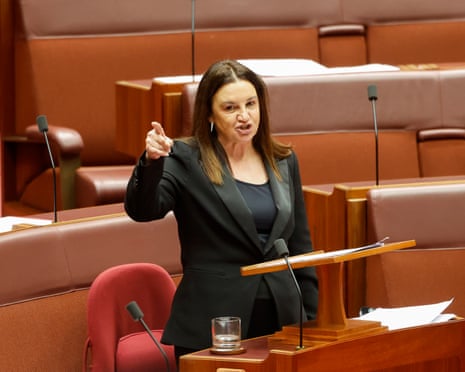
这类粗俗言辞大多源自参议院,自2006年以来,那里的脏话使用量增长了177%。在那些活跃的议会参与者中(即在此期间至少说过10万字的人),比尔·赫弗南是违规最严重的议员。尽管他在2006年至2016年间仅说了141,000字,但这位前自由党参议员的脏话使用率为每百万字877次,是其他所有议员的43倍。杰基·兰比是第二爱说脏话的政客,其在议会中的脏话使用量占总量的6%,每百万字中有406次脏话——这一比例是平均水平的19倍多。不过,和这份名单上的大多数政客一样,兰比说的脏话也大多比较轻微,多为“crap”或“bloody”之类的词。
“我真的很努力不说脏话,尤其是在参议院会议厅里。这会让我的母亲不高兴,她甚至不喜欢我说‘bloody’这个词,”当我们把相关数据拿给她看时,兰比这样说道。
“保持尊重很重要。但我是个直率的人,有时候事情就是很糟糕——很难不这么说出来。我觉得,如果没有一些脏话,那就不算真正的澳大利亚议会了。”
议会记录中的所有脏话使用情况并非都是出于故意。其中一部分是引用内容,比如读出某位政客所受到的辱骂,或是引用文件中的话语。然而,排除这些情况后,我们的分析显示,过去20年里议会中的自我使用脏话现象几乎增加了两倍,从2006-09年的每百万字6.4次上升至2022-25年的18.9次。
按政党划分,“一国党”是问题最严重的,他们无端使用脏话的频率是工党的7.4倍——这或许并不令人意外,因为该党领袖保琳·汉森在言语中使用粗俗语言的政客中排名第四。
迪克表示,他一直努力改善议会中的讨论氛围,他认为政治领域以及议会中的多样性提升——更多女性、更多原住民议员以及来自多元文化背景的人士——也改变了辩论的态势。
当被问及近期议会中的激烈场面时,他仅记得近年来下议院发生的两个重大事件:汉密尔顿在6月的激烈抗议,以及自由党议员丹·特汉在8月要求“别胡说八道”。“我希望在我们的民众和民主制度中,人们能够以更文明的方式表达分歧……但我坚信要维护传统与标准。一旦局势变得激烈,我会采取坚决的行动,”迪克说道。为将政治家本人说出的脏话与引语、习语及字面意义上的使用区分开来,研究人员使用大型语言模型读取每个脏话词周围的演讲文本,并将其分类。随后对部分结果进行了人工核查,结果显示在判断某处内容是否为说话者本人所说时,准确率可达97%。因此这些数据仅为近似值。
原文
When Liberal MP Garth Hamilton stormed out of parliament in June, slamming his hands on his desk and calling out “fucking bullshit” the speaker of the house, Milton Dick, called it “a new low” in federal politics.
Dick may have been on to something.
New analysis from Guardian Australia has found profanity and foul language has risen significantly in Australia’s parliament over the past 20 years, with some of today’s most prominent politicians among the chief culprits for swearing.
Before the year is even out, 2026 is the worst year on record for the use of swear words and language deemed “unparliamentary”. That number has risen by 78% since 2006.
Analysis of Hansard debate and procedure records has found that per million words spoken in parliament this year, approximately 37 have been profane – ranging from milder (“bloody”, “damn” and “crap”) to language considered strong, or even extreme.
While entitled to “parle hard”, language deemed unparliamentary by the speaker or Senate president is required to be withdrawn, or else MPs face ejection from the chamber.
So why bother?
Beyond the impact of pushing against regulation and etiquette, there is something to be said for the currency that outbursts gain when clipped and shared online – recently demonstrated by Greens senator Peter Whish-Wilson, who called for the country to “wake the fuck up” to One Nation’s use of social media algorithms in June.
But despite the politicians reaching for profanities at a record rate, Dick – the Labor MP who has been speaker of the house since 2022 – said he felt the tone and tenor of debate in parliament has gotten better in his time in the chair.
“Debate is fierce and strong, and apart from a few incidents, it has improved,” he said.
“Maybe it hasn’t appeared so because of the volume [of swearing], but when you analyse the words used … there are outbreaks of course, but I believe in everyone showing respect.”
And to be fair, most of parliament’s most swear-y politicians are in the Senate, not the house.
An oral tradition
Described as “the great Australian adjective” in 1894 by The Bulletin magazine, “bloody” appears to have suffered no fall from grace in the subsequent years, serving as the most commonly used swear word in parliament. Along with “damn”, “crap” and “bugger”, mild curses constitute 92% of all recorded bad language, with more severe terms such as “prick”, “shit” and “piss” used more sparingly.
Excluded from this figure are rare cases of colourful and creative terms that have been called for withdrawal. Harnessing the speaker’s unilateral power to flag unacceptable language, terms such as “bin chickens – used by Julian Hill, the MP for Bruce, in 2022 to describe the opposition in the house – have been ruled as unparliamentary.
Swearing and swearing allegiance
Much of this potty-talk comes from the Senate, which since 2006 has seen a 177% increase in the use of bad language. Among active parliamentary participants (those who have spoken at least 100,000 words in this period), Bill Heffernan was the lead offender. Despite speaking just 141,000 words between 2006 and 2016, the former Liberal senator had an expletive use-rate of 877 per million words spoken, 43 times the rate of all other parliamentarians.
Jacqui Lambie is the second-most sweary politician, responsible for 6% of total swearing in parliament at a rate of 406 per million words spoken – more than 19 times the average. But, like most of the politicians on this list, Lambie’s swearing is overwhelmingly mild – mostly words like “crap” or “bloody”.
“I try really hard not to swear, especially in the Senate chamber. It upsets my mum, she doesn’t even like me saying ‘bloody’,” Lambie said when we came to her with the statistics.
“It’s important to be respectful. But I am a straight shooter and sometimes things are just crap – and it’s hard not to say so. I don’t think it would be an Australian parliament without a few swear words thrown in.”
Not all occurrences of swearing in parliamentary records are “own-use”, or rather, swearing with intent. Quotes, such as reading out abuse a politician has received, or a quote from a document, account for some of it.
However, when excluding these cases our analysis shows that own-use swearing in parliament has nearly tripled over the last 20 years, from 6.4 per million words in 2006-9, to 18.9 in 2022-5.
Broken down by party, One Nation are the worst offenders, swearing for the sake of it at 7.4 times the rate of Labor – perhaps unsurprising, given that the party leader, Pauline Hanson, ranks fourth among discursively active politicians for use of foul language.
Dick said he had strived to improve the tone of discussion in parliament, believing that greater diversity in politics and in the chamber – with more women, more First Nations MPs and people from multicultural backgrounds – had also changed dynamics of debate.
Asked about recent heated moments in parliament, he said he recalled only two major moments in the lower house in recent years Hamilton’s June storm-out and fellow Liberal MP Dan Tehan’s demand to “cut the crap” in August.
“I want to ensure among our people and our democracy, that we fight hard to disagree more civilly … But I’m a big believer in upholding traditions and standards. When things get a bit heated, I’ll take firm action,” Dick said.
Notes on the analysis
Politicians’ speeches from both Houses of Parliament were analysed for the years 2006 to 2026. For each speech, the number of swearwords were counted using the these categories:
Mild: bloody, damn, crap, bugger, bastard, bulldust, arse, mongrel, boofhead, bollocks
Strong: prick, shit, bullshit, piss, piss off, dickhead, arsehole, shithouse, wanker
Extreme: fucking, cunt, fuck, fuck off, fucker, fucked, motherfucker
To control for politicians’ tenure length and verbosity affecting swearing totals, swearing numbers were converted to a rate per million words by dividing the total swearwords by the total number of words spoken for that politician in that year, or for the total time period.
To separate swearing in a politician’s own voice from quotes, idioms and literal uses, an LLM was used to read the speech text surrounding each swearword and sort these into categories. A random sample of the results were manually checked, to achieve an agreement of 97% on whether a use was the speaker’s own. Therefore these figures are approximate.