财经市场
2026年数据中心建设成本上涨13%
中文译文
本文最初发表于Diana Olick撰写的CNBC Property Play新闻简报中。Property Play旨在为各类房地产投资者提供新的及不断发展的投资机会,这些投资者包括个人、风险投资家、私募股权基金、家族办公室、机构投资者以及大型上市公司。欢迎注册,即可将后续刊载内容直接发送至您的邮箱。
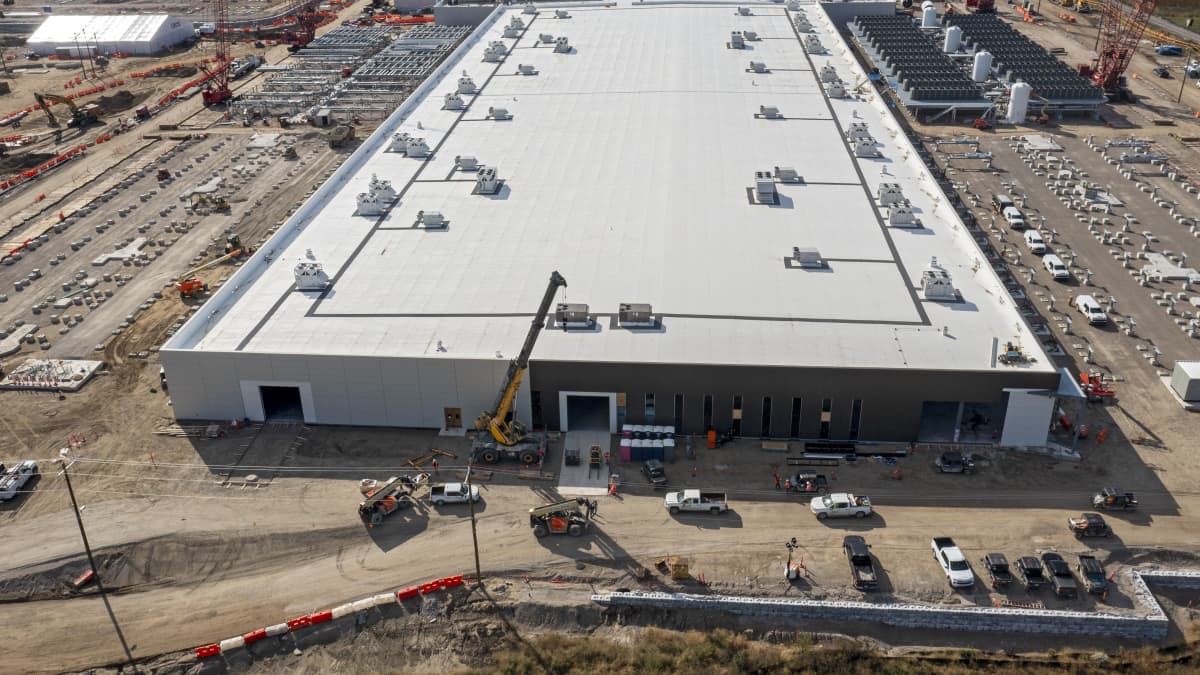
由于人工智能对计算能力的需求,美国今年对大规模数据中心的需求大幅增长,远远超出了可用于建设此类设施的用地供应以及所需劳动力。这也给承包商带来了更紧张的时间表和更高的风险。
根据全球项目管理公司Turner & Townsend发布的一份新报告,这一切导致相关成本同比上升13%,超过了全球平均水平的两倍。今年的涨幅约为过去十年平均水平的三倍。该报告调研了62个全球市场中的500多个正在实施或近期完成的项目,同时还对全球数据中心行业的400名专家进行了调查。
虽然今年成本通胀有所稳定,但这一程度仍不足以抵消需求增长以及建设与交付速度加快所带来的巨大压力。
“更为紧凑的工期要求使得承包商和分包商在定价时不得不考虑更多的风险因素,”特纳&汤森公司北美数据中心业务负责人保罗·巴里说道。“无论是加速施工的额外费用,还是更多的加班费及吸引劳动力的费用,甚至是因承担比传统速度更快的交付任务而产生的更高费用。”
他补充说,所有这些因素,再加上需求的激增以及供应链面临的压力,最终都会导致成本上升。根据普华永道最近的一份报告,全球数据中心的资本支出预计将从今年的约8000亿美元增长到2050年的每年1.8万亿美元。美国预计将占据全球人工智能基础设施投资的一半左右,这些投资包括数据中心和芯片领域。
电力自然是所有数据中心运作的关键,特纳与汤森全球调查的受访者中有56%认为电力供应是项目推进的主要障碍。略多于一半的受访者表示,获取电力连接通常需要一到两年的时间,近三分之一的受访者称所需时间超过两年。不同地区的电力成本也存在差异——以典型的60兆瓦设计为例,硅谷的电力成本为每瓦15.01美元,而达拉斯则为每瓦10.51美元。
与美国的各类建筑项目一样,劳动力问题依然是一个重大阻碍。略多于四分之一的受访者表示,其承包商的处理能力,即应对建筑项目积压任务的能力,是足够的。巴里表示,未来他预计成本会有所下降,明年的成本增幅将在6%到10%之间。许多大型项目已经启动或即将启动,因此成本风险早已体现在这些合同之中。
“如果需求持续保持当前水平,那么项目启动的势头还将持续,但我觉得2026年将会出现大幅增长,尤其是那些已经确定下来的新的大型项目,”巴里说道。
原文
A version of this article first appeared in the CNBC Property Play newsletter with Diana Olick. Property Play covers new and evolving opportunities for the real estate investor, from individuals to venture capitalists, private equity funds, family offices, institutional investors and large public companies. Sign up to receive future editions, straight to your inbox.
The demand for large-scale data centers in the U.S. this year, driven by the need for computing power for artificial intelligence, grew well beyond the supply of powered land and the labor to build these structures. It also pushed timelines and risk for contractors.
All that resulted in costs rising 13% year-over-year to more than twice the global rate, according to a new report from Turner & Townsend, a global project management company. The gain this year was about three times the last ten-year average.
The report looked at over 500 live or recently completed projects in 62 global markets. It also included a survey of 400 experts in the global data center industry.
While there was some stabilization in cost inflation this year, it was not enough to offset the huge growth in not just demand but speed of construction and delivery.
"More aggressive schedules tie to contractors in particular and subcontractors baking in more risk allowances in their pricing," said Paul Barry, North America data center lead for Turner & Townsend. "So whether that's acceleration allowances, whether that's more overtime and labor attraction allowances, even just higher fees for taking on the risk of delivering at a faster pace than what they would traditionally take on."
All of those things, combined with the spike in demand and the strain on the supply chain, translate into higher costs, he added.
Capital expenditure on global data centers is projected to rise from about $800 billion this year to $1.8 trillion per year in 2050, according to a recent report from PwC. The U.S. is expected to capture almost half of all global investment in AI infrastructure, which includes both data centers and chips.
Power is, of course, key to all data centers, and 56% of those surveyed by Turner & Townsend globally said it was a major obstacle to delivery. Just over half said utility connections typically take between one and two years, and almost a third reported timeframes of over two years. Costs for power vary regionally — from $15.01 per watt in Silicon Valley to $10.51 per watt in Dallas, based on a typical 60-megawatt design.
As with every type of construction in the U.S., labor continues to be a significant headwind. Just over one quarter of respondents said their contractor capacity, that is, the ability to manage construction backlogs, was sufficient.
Going forward, Barry said he expects costs to moderate somewhat, with cost increases in the 6% to 10% range in the next year. A lot of the major projects have already started or are starting now, so cost risk has been baked into those contracts.
"If this demand continues, then there'll be more continued flow of project starts and so on, but I think we've hit a big surge in 2026, especially of new big major projects that have been procured," said Barry.