军事·安全
“西奥多·罗斯福”号军舰抵达中东,接替“乔治·华盛顿”号军舰执行任务
中文译文
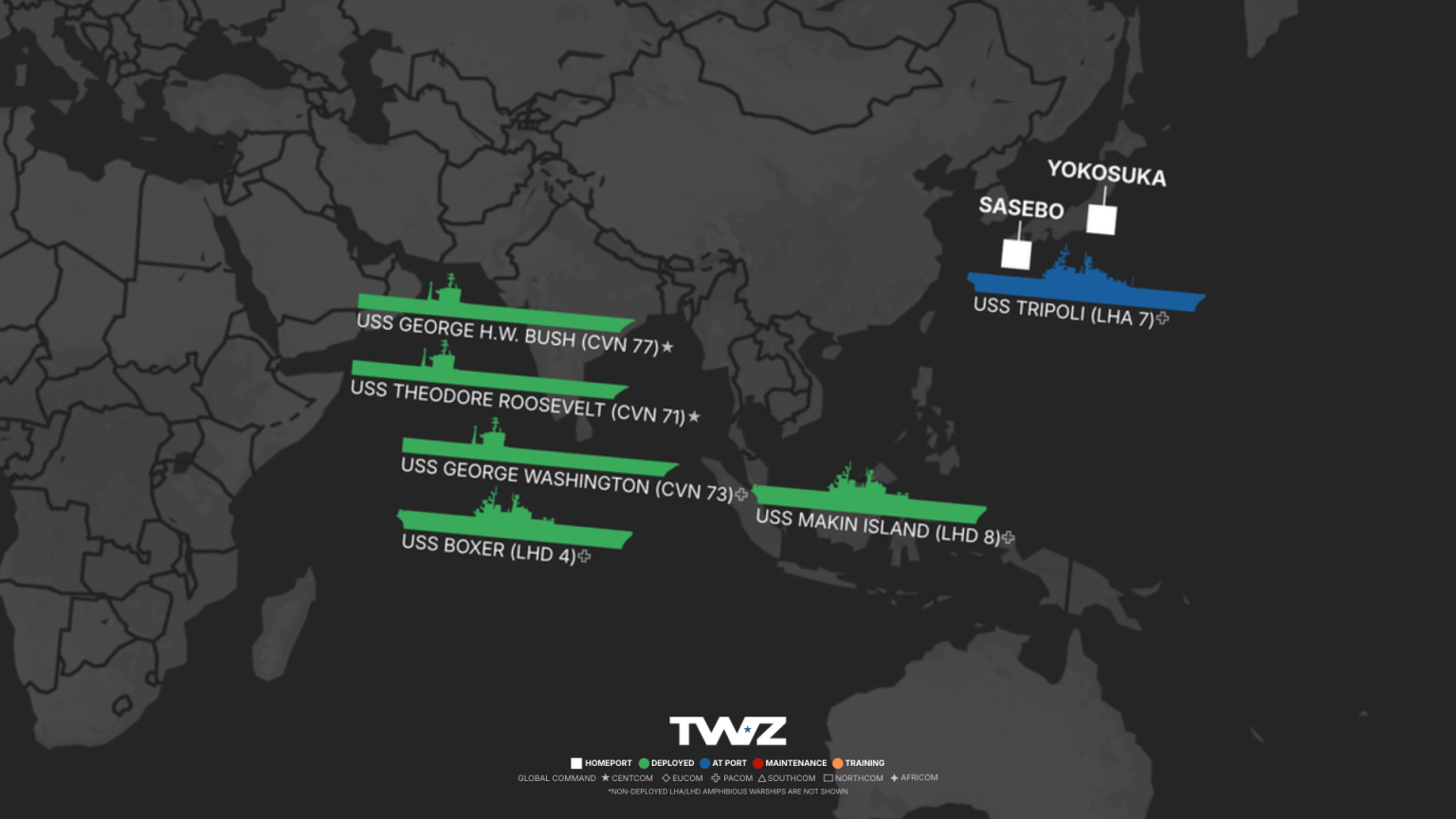
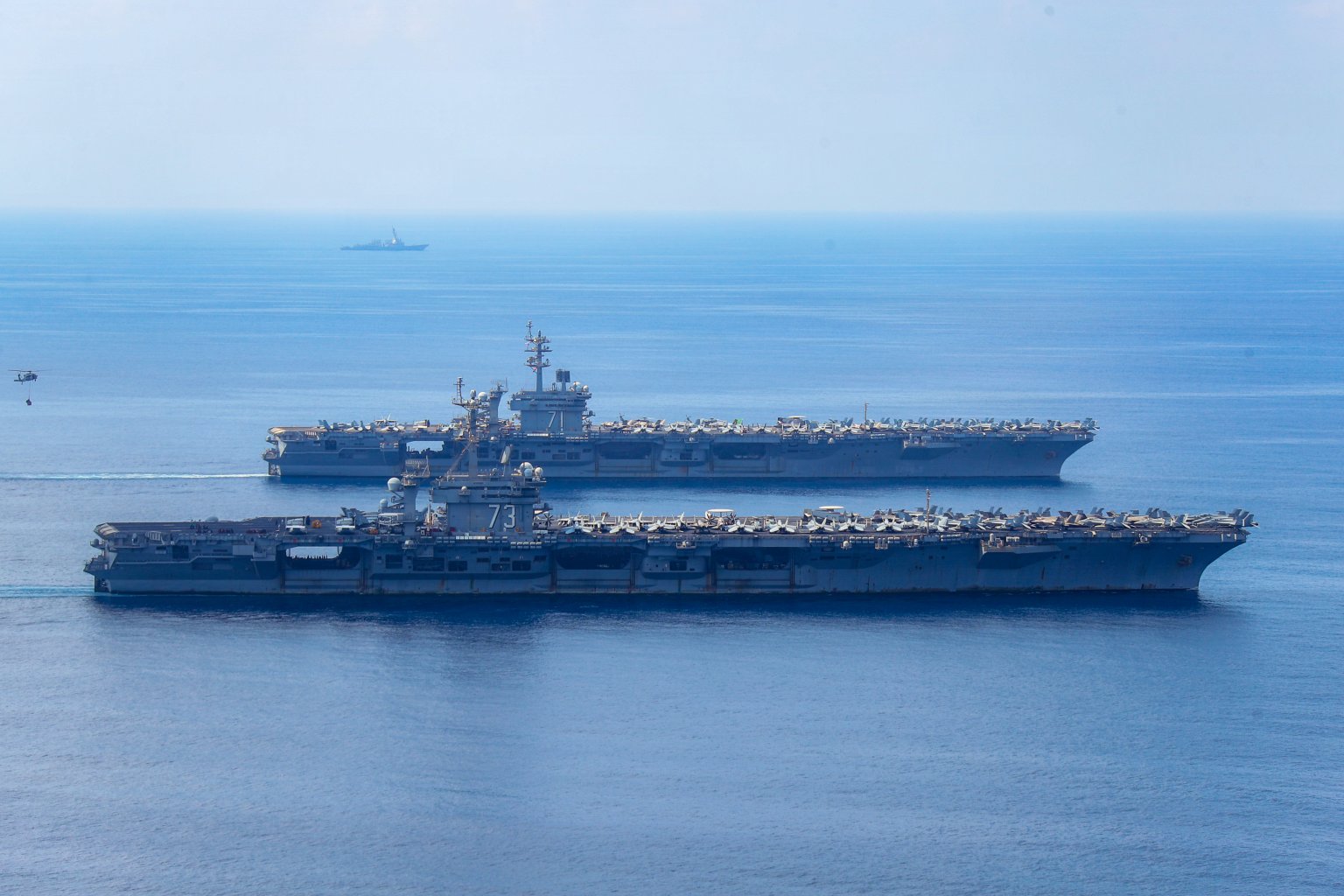
增援部队和救援物资已抵达中东。本周,美国“西奥多·罗斯福”号航母进入了第五舰队-美国中央司令部(CENTCOM)的职责范围,并有照片显示它与“乔治·华盛顿”号航母一同在阿拉伯海航行。由于“乔治·H·W·布什”号航母也在该区域,罗斯福号的出现使得中东地区共有三艘美国航母,但正如预期的那样,这种状况并未持续太久。“乔治·华盛顿”号航母战斗群已离开该地区,最近在印度附近的一个未公开地点执行任务,很可能已经开始返回日本横须贺的行程。随着仍有两艘航母在该职责范围内,美国航母部队的部署态势保持不变。与此同时,近一年前部署的亚伯拉罕·林肯战斗群的最后几艘舰艇在完成重要任务后终于返回基地。两栖攻击舰“拳师号”已离开中东,而预计接替它的“马金岛号”则位于新加坡。海军代理部长向参议员们表示,海军未来五年将仅有9艘航空母舰,而非法律规定的11艘。
以下是TWZ的每周航空母舰追踪报告,该报告利用公开的可获取的开源信息,对美国的航空母舰舰队进行监测和可视化展示,包括已部署的战斗群和两栖准备群。点击此处查看上周的报告。
还有多少航空母舰驻扎在中东?“西奥多·罗斯福”号军舰在樟宜海军基地短暂停留后,于11月8日离开新加坡,穿过马六甲海峡,于11月15日左右进入中央司令部责任区。导弹巡洋舰“楚辛”号和导弹驱逐舰“迪凯特”号伴随这艘军舰穿过海峡,而驱逐舰“保罗·汉密尔顿”号则在中国南海向东航行。该打击群的最后一部分——驱逐舰“卡尔·M·莱文”号——自10月起就已分开行动,目前仍在该区域执行任务。目前尚不清楚莱文号是否已重新加入该打击群。在短暂的部署重叠期间,该地区的三个航母战斗群共配备了10个F/A-18E/F超级大黄蜂中队、2个F-35C闪电II中队以及3个EA-18G咆哮者中队。华盛顿号和罗斯福号各搭载一个F-35C隐形战斗机中队;而布什有权限使用的战术战斗机仅有超级大黄蜂和咆哮者。这种一一对换的方式确保了该战区始终有一支第五代战斗机中队驻扎。
华盛顿号于5月23日从横须贺出发,执行西太平洋地区的例行夏季巡逻任务,但8月被调往中央司令部以接替林肯号。目前该航母已执行任务181天,这一时间大约是舰上水手们出发时预期的三个月巡逻时间的两倍。上次有人看到这艘航母在印度洋活动(在美国第七舰队辖区),并且接待过包括美国驻印度大使塞尔吉奥·戈尔在内的多位重要访客。对伊朗港口及沿海城市的封锁仍在全面实施中。11月7日,一架美国飞机在阿曼湾发射精确制导武器,击毁了悬挂圣基茨国旗的货船“胡达号”。这是自7月以来被击毁的第五艘船只,也是近一个月来首艘被击毁的船只。中央司令部部队还迫使大约150艘其他船只改变航线。11月13日至17日期间,伊朗再次对该地区的美国基地发动攻击,但中央司令部称这些导弹已被拦截,未造成任何损失或人员伤亡。美国军队于周二对盖什姆岛上的目标进行了反击。“乔治·H·W·布什”号航母目前仍驻扎在该作战区域。自3月31日从诺福克出发后,它已执行任务234天。据MS NOW获得的音频资料显示,海军官员在11月9日举行的情况通报会上向大约500名家属说明了最坏情况下可能需要12个月的应对计划。当被问及什么情况会促使该航母战斗群返回时,代理海军部长洪高回答称:“标准是他们必须同意伊朗放弃核计划。”
官员们告诉这些家属,海军正在准备“德怀特·D·艾森豪威尔”号航母来接替“布什”号执行任务,这一时间安排与TWZ在6月首次报道的2027年初的部署计划一致。如果按此时间表推进,“布什”号执行任务的时间将超过“杰拉尔德·R·福特”号在5月创下的326天的纪录。如果该计划得以实现,“布什”号将在2027年2月21日左右正式打破这一纪录。
代理海军部长向国会讲述了关于航母战斗群的哪些情况?周二,曹在参议院军事委员会举行的确认听证会上作证,航母舰队问题被多次提及。他解释称,福特级航母的电磁弹射器和武器升降机存在问题,导致海军将面临“五年时间只有9艘航母”的状况,这一数字比法律规定的11艘少2艘。正如TWZ本周报道的那样,该委员会主席罗杰·威克参议员称特朗普要求恢复使用蒸汽弹射器的提议“根本不可行”。曹表示,总战斗力量为286艘舰艇,目前有17艘驱逐舰正在协助对伊朗实施封锁,同时正在加快无人水面舰艇的发展,以减轻部分任务负担。马克·凯利参议员提到了“华盛顿号”和“拳师号”军舰上存在食物短缺的情况,曹承认最近在红海执行任务的“冈萨雷斯号”驱逐舰的口粮仅够维持一周左右。马齐·希罗诺参议员则就中东地区有三个打击群而太平洋地区却没有相应部署的问题向他施压。
美国其他航空母舰舰队都在哪里?在西海岸,林肯号仍停靠在圣迭戈,预计今年底将把母港迁至华盛顿州的布雷默顿。在完成两次历史性任务后,该舰的最后一批护航舰艇上周返回了基地。驱逐舰“迈克尔·墨菲”号在进行了346天的航行后,于11月12日返回珍珠港;而“斯普鲁恩斯”号在经过357天的航行后于次日抵达圣迭戈,据称这是二战以来持续时间最长的驱逐舰任务。罗纳德·里根号目前位于布雷默顿,卡尔·文森号则停靠在圣迭戈。
在东海岸,尼米兹号在完成一项训练任务后返回诺福克,该训练旨在为CVW-1部队以及海军飞行员学员提供支援。据海军称,该舰为103次出航、442次迫降训练以及152次触地起降任务提供了支持。艾森豪威尔号也停靠在诺福克的港口。目前仍有三艘航母处于维护状态而无法投入使用。约翰·C·斯坦尼斯号正在完成加油与全面大修工作,哈里·S·杜鲁门号则刚刚开始此类维修,而福特号则处于计划性逐步启用状态,预计这一状态将持续到2027年3月。
经过飞机适配测试后,约翰·F·肯尼迪号已于11月5日返回诺福克,预计将于2027年春季交付使用。
美国航母舰队概况
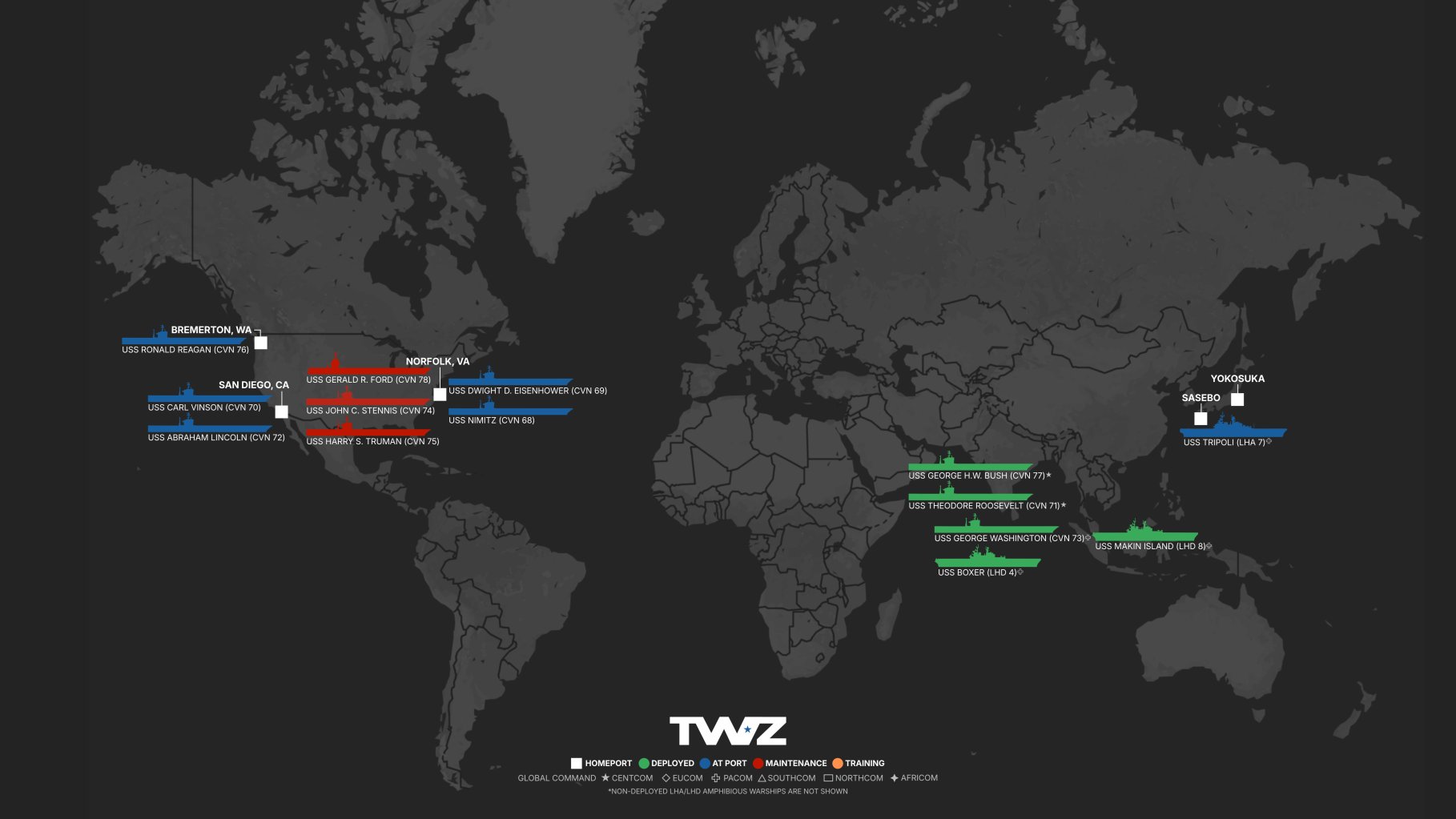
总体而言,有三艘美国航母正在执行任务,三艘处于不同准备状态,三艘正在维护中,一艘在任务结束后正为后续启用做准备,另一艘则在退役前主要用于训练,下一艘即将服役的航母则将于2027年交付舰队。有两艘两栖攻击舰正在执行任务,一艘部署在前方,两艘正在为未来部署做准备且目前停靠在港口,还有四艘处于维护状态。注:所示位置为大致估算值。未部署的LHA/LHD两栖战舰未显示在图中。
联系作者:[email protected] 或 @ianellisjones
原文
Reinforcements and relief have arrived in the Middle East. USS Theodore Roosevelt chopped into the 5th Fleet-U.S. Central Command (CENTCOM) area of responsibility (AOR) and was pictured sailing alongside USS George Washington in the Arabian Sea this week. With USS George H.W. Bush also on station, Roosevelt’s arrival placed three American aircraft carriers in the Middle East, but the overlap was short-lived, as TWZ anticipated. The George Washington Carrier Strike Group (CSG) has left the region, most recently operating at an undisclosed location off India, and has likely begun the journey back to Yokosuka, Japan. With two carriers remaining in the AOR, U.S. carrier force posture remains unchanged.
Meanwhile, the final elements of the Abraham Lincoln CSG that deployed almost a year ago are finally home after completing historic deployments, amphibious assault ship USS Boxer has moved out of the Middle East while her expected replacement, USS Makin Island, is in Singapore, and the acting secretary of the Navy told senators the service will face five years with nine carriers instead of the legally mandated 11.
Here’s TWZ’s weekly carrier tracker monitoring and visualizing America’s flattop fleet, including deployed CSGs and Amphibious Ready Groups (ARGs), using publicly available open-source information. Check out last week’s report here.
How Many Aircraft Carriers Are Still In The Middle East?
USS Theodore Roosevelt left Singapore on November 8 after a short stop at Changi Naval Base, transited the Strait of Malacca, and crossed into the CENTCOM AOR on or around November 15. Guided-missile cruiser USS Chosin and guided-missile destroyer USS Decatur accompanied the flattop through the strait, while destroyer USS Paul Hamilton steamed east in the South China Sea. The last element of the strike group, destroyer USS Carl M. Levin, has been disaggregated and operating in the theater since October. It’s unclear if Levin has rejoined the CSG.
During the brief overlap, the three Carrier Air Wings (CVW) in the region combined for 10 squadrons of F/A-18E/F Super Hornets, two squadrons of F-35C Lightning IIs, and three squadrons of EA-18G Growlers. Washington and Roosevelt each embark a squadron of stealthy F-35Cs; the only tactical jets Bush is certified to employ are Super Hornets and Growlers. The one-for-one swap keeps a single squadron of the fifth-generation fighters in theater.
Washington left Yokosuka on May 23 for a routine summer patrol in the Western Pacific but was redirected to CENTCOM in August to relieve Lincoln. The carrier is now 181 days into her deployment, roughly double the typical three-month patrol the Sailors aboard expected upon departure. The flattop was last spotted operating in the Indian Ocean (on the U.S. 7th Fleet side) and hosted distinguished visitors including U.S. Ambassador to India Sergio Gor.
The blockade of Iranian ports and coastal cities remains in full effect. A U.S. aircraft fired precision munitions and disabled the St. Kitts-flagged cargo ship M/V Huda in the Gulf of Oman on November 7, the fifth vessel disabled since July and the first in nearly a month, and CENTCOM forces have redirected approximately 150 others. Iran resumed attacks on American bases in the region between November 13 and 17, but CENTCOM said the projectiles were intercepted with no resulting damage or casualties. U.S. forces responded Tuesday by striking targets on Qeshm Island.
How Long Will USS George H.W. Bush Be Deployed?
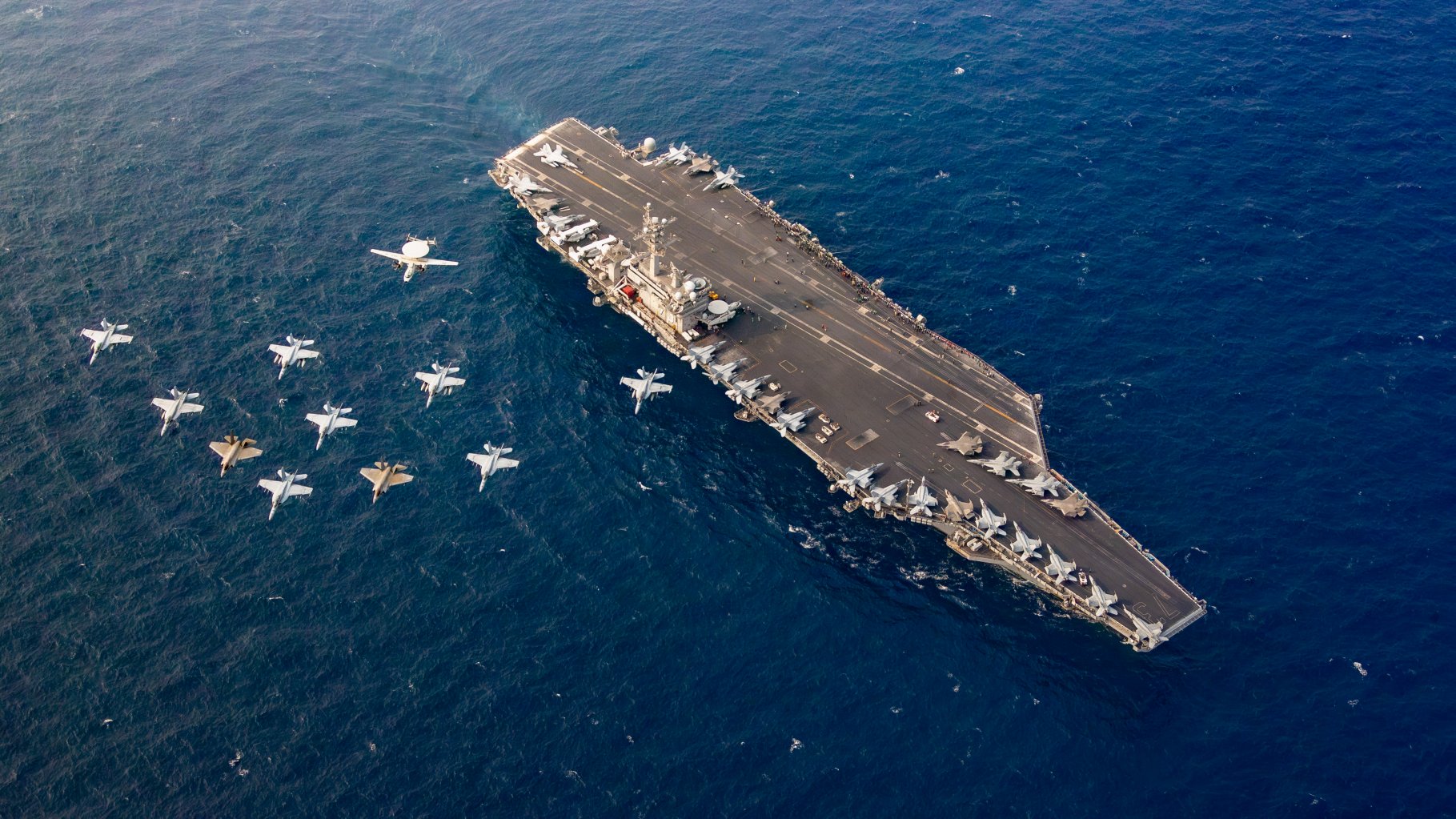
USS George H.W. Bush is staying in theater, for now. She is 234 days into a deployment that began from Norfolk on March 31, and Navy leaders told roughly 500 family members on November 9 at a town hall to plan for a worst-case scenario of 12 months, according to audio obtained by MS NOW. When asked what would bring the strike group home, acting Secretary of the Navy Hung Cao answered, “The criteria is for them to agree to a non-nuclear Iran.”
Officials told the families the Navy is preparing USS Dwight D. Eisenhower to eventually relieve Bush, which lines up with the early 2027 deployment timeline TWZ first reported in June. A full year would push Bush past the 326-day record set by USS Gerald R. Ford in May. If that timeline plays out, Bush would officially break the record around February 21, 2027.
What Did The Navy’s Acting Secretary Tell Congress About The Carrier Fleet?
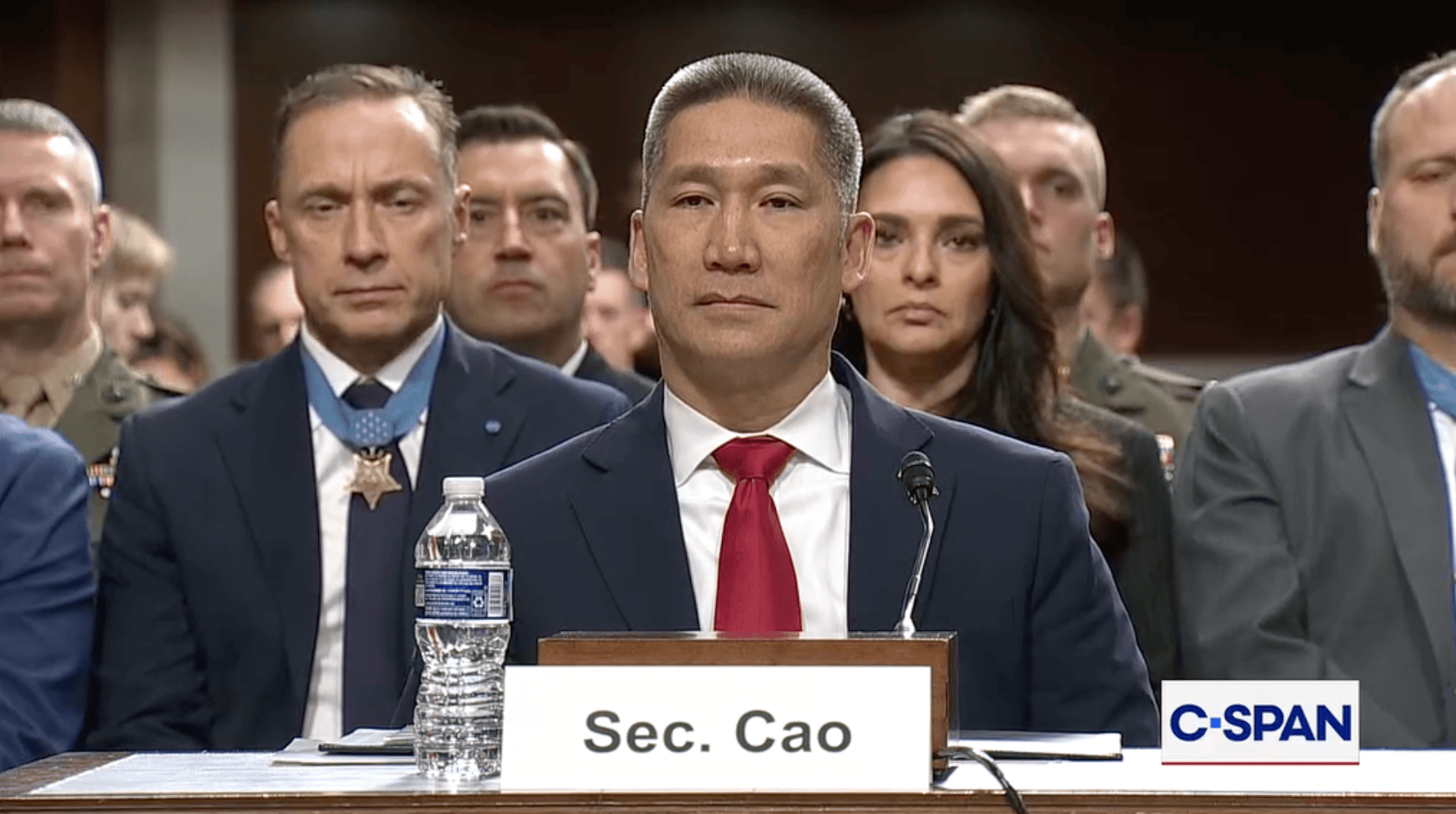
Cao testified in front of the Senate Armed Services Committee on Tuesday for his confirmation hearing, and the carrier fleet came up multiple times. He explained that delays tied to the Ford class’s electromagnetic catapults and weapons elevators mean the Navy is facing “five years where we’re going to be down to nine carriers,” two short of the 11 required by law. Sen. Roger Wicker, the committee’s chairman, called President Trump’s demand to return to steam catapults a “non-starter,” as TWZ reported this week.
Cao placed the total battle force at 286 ships and said 17 destroyers are currently supporting the blockade of Iran, and that the development of unmanned surface vessels (USVs) is being accelerated to relieve some of the tasking burden. Sen. Mark Kelly raised reports from families of food shortages aboard Washington and the Boxer ARG, and Cao acknowledged that destroyer USS Gonzalez, most recently operating in the Red Sea, was down to about a week of rations. Sen. Mazie Hirono pressed him on having three strike groups in the Middle East without any coverage in the Pacific.
Where Is The Rest Of The American Aircraft Carrier Fleet?
On the West Coast, Lincoln is still in San Diego ahead of a homeport shift to Bremerton, Washington, by the end of the year. The last of her escorts arrived back home last week after two historic deployments. Destroyer USS Michael Murphy returned to Pearl Harbor on November 12 after a 346-day cruise and USS Spruance pulled into San Diego a day later after 357 days, which is reportedly the longest destroyer deployment since World War II. USS Ronald Reagan is in Bremerton and USS Carl Vinson is in San Diego.
On the East Coast, USS Nimitz returned to Norfolk after a training underway, supporting Carrier Qualifications (CQ) for CVW-1, as well as student naval aviators. She supported 103 sorties, 442 arrested landings, and 152 touch-and-goes, according to the Navy. Eisenhower is also at port in Norfolk.
Three carriers remain offline in maintenance. USS John C. Stennis is finishing a Refueling and Complex Overhaul (RCOH), USS Harry S. Truman is at the start of one, and Ford is in a Planned Incremental Availability (PIA) expected to run until March 2027.
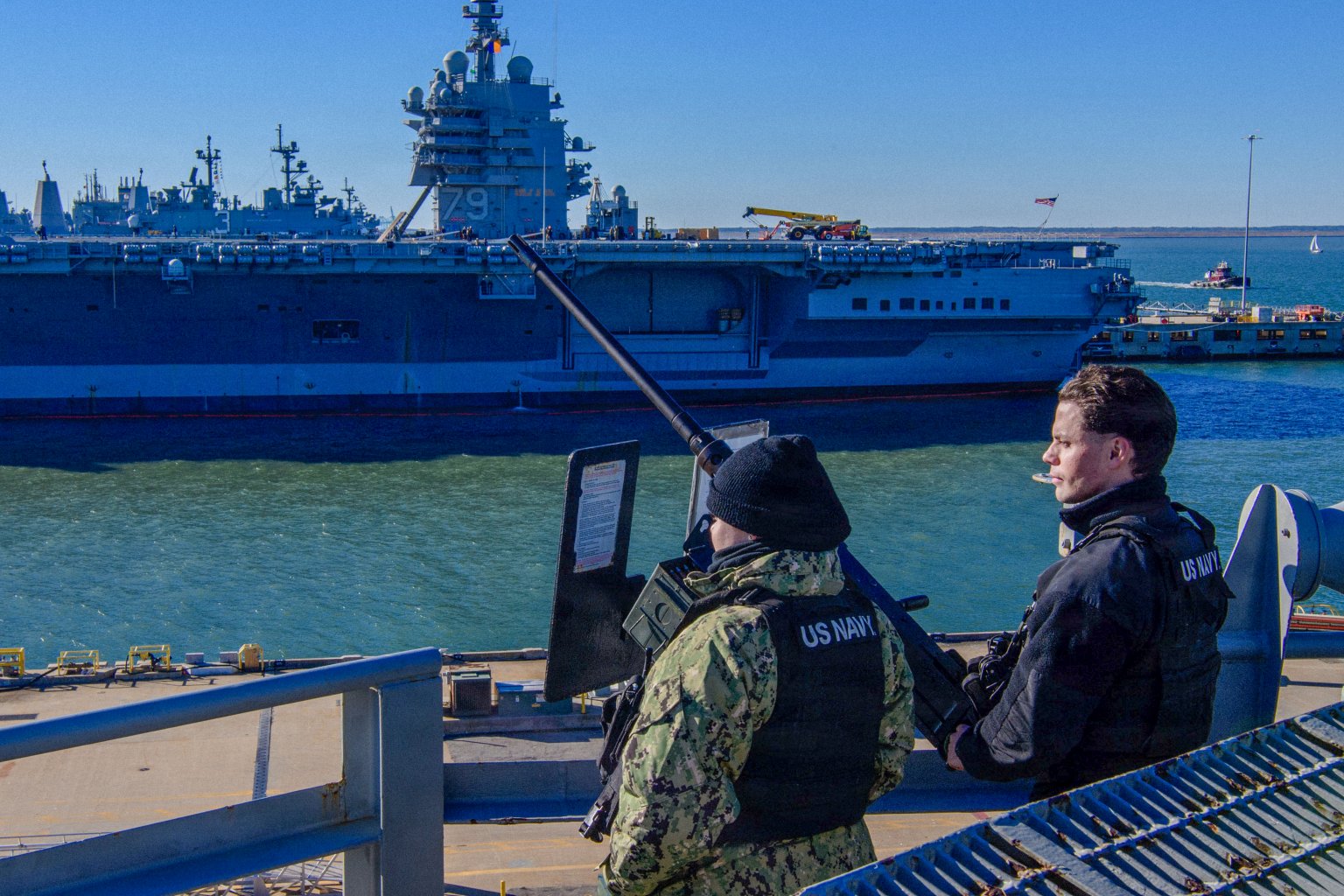
The future USS John F. Kennedy, back in Norfolk since November 5 after Aircraft Compatibility Testing, is expected to be delivered in spring 2027.
The Big Deck Fleet At A Glance
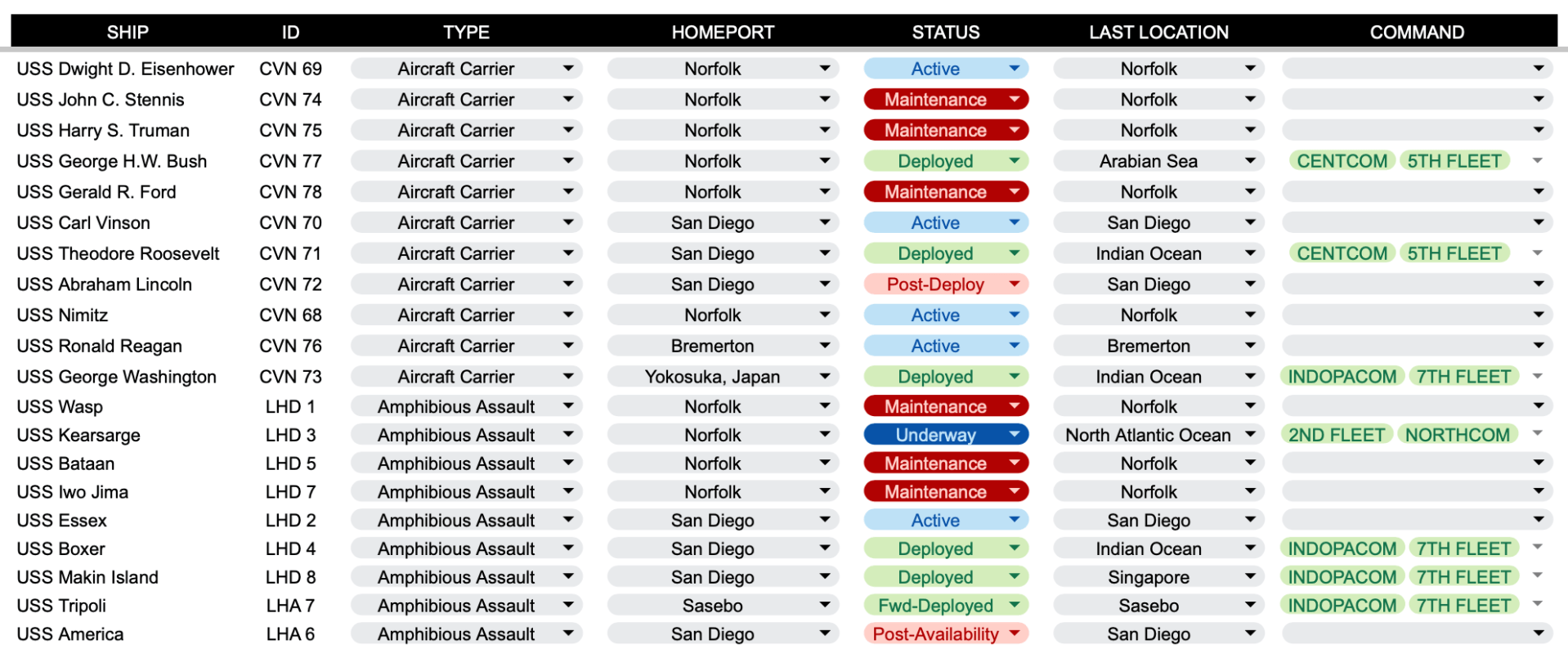
Overall, three U.S. carriers are deployed, three are working up in various states of readiness, three are in maintenance, one is post-deployment and preparing for an upcoming availability, another is being used primarily for training before deactivation, and the next to be commissioned will be delivered to the fleet in 2027. Two amphibious assault ships are deployed, one is forward-deployed, two are getting ready for future deployments and currently in port, and four are in maintenance.
Note: Positions are general approximations. Non-deployed LHA/LHD amphibious warships are not shown on the graphic.
Contact the author: [email protected] or @ianellisjones