军事·安全
海军CCA计划不会等待F/A-XX下一代战斗机问世
中文译文
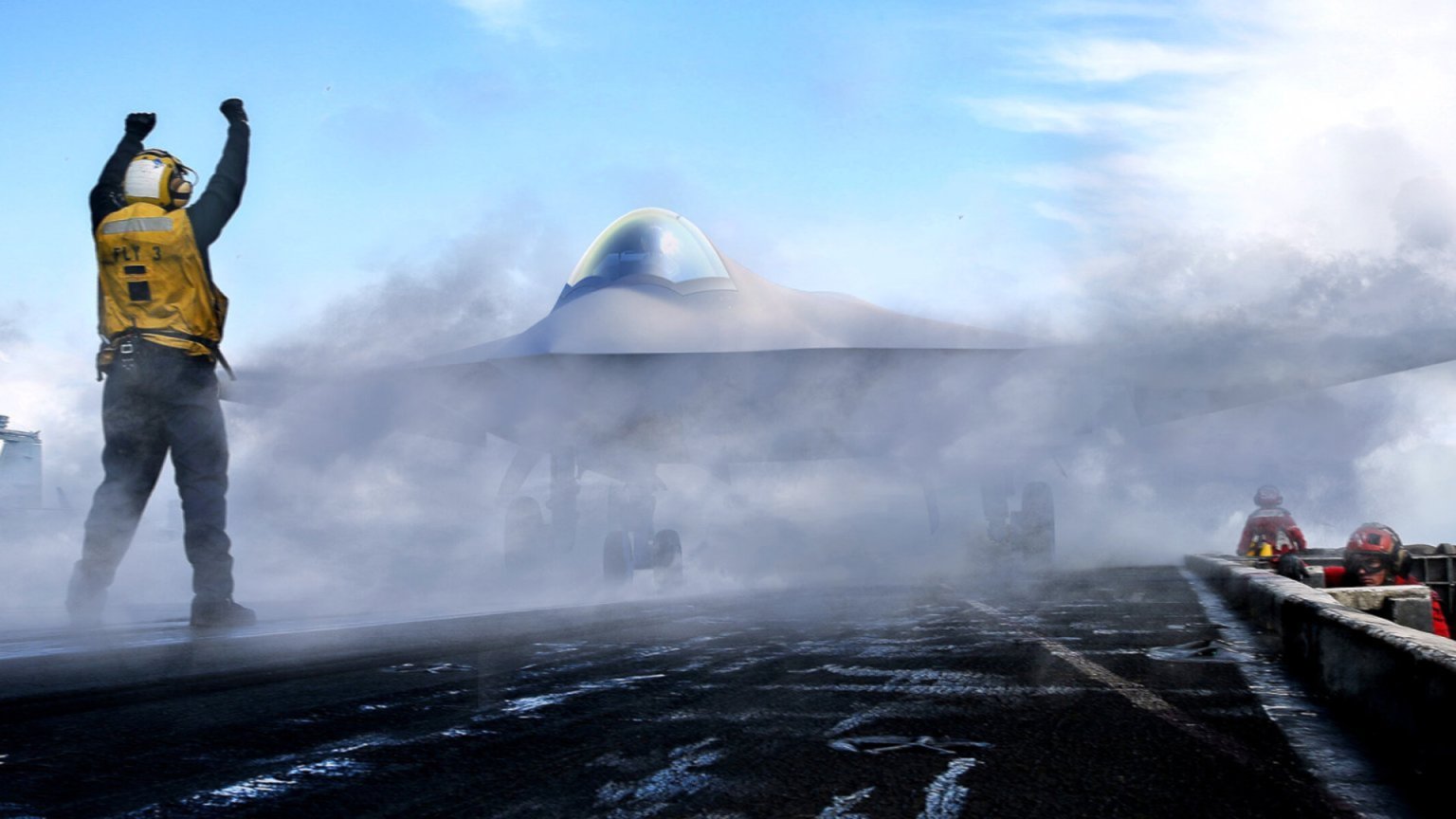
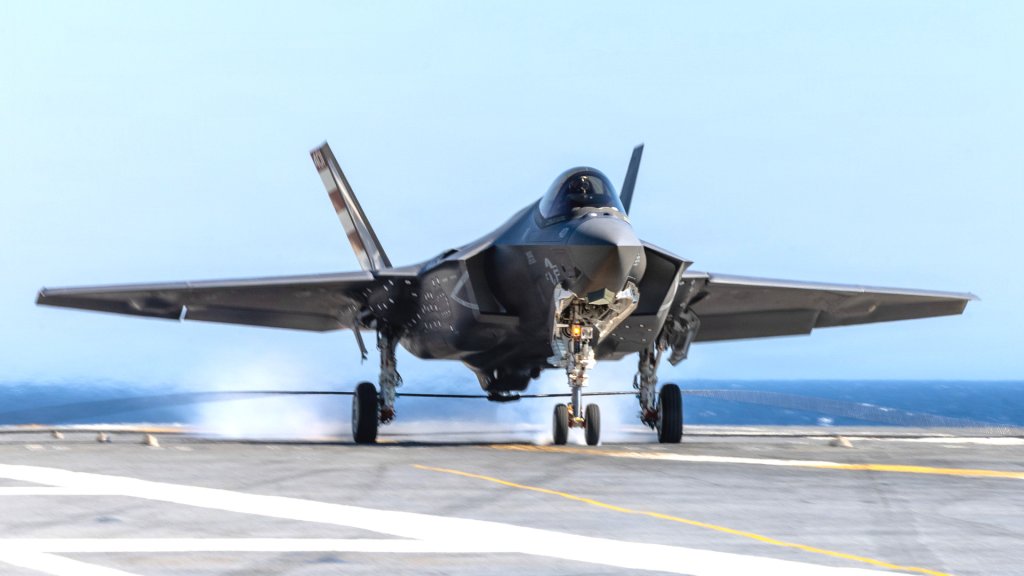
美国海军下一代F/A-XX舰载战斗机的预期关键职责之一,是作为先进无人机的空中控制平台。不过,目前担任海军副部长职务的高级官员表示,海军无需等待F/A-XX投入使用,就可以开始在其舰载机部队中加入协作作战飞机类型的无人机。海军可以先将这类无人机与F-35C联合攻击机搭配使用。
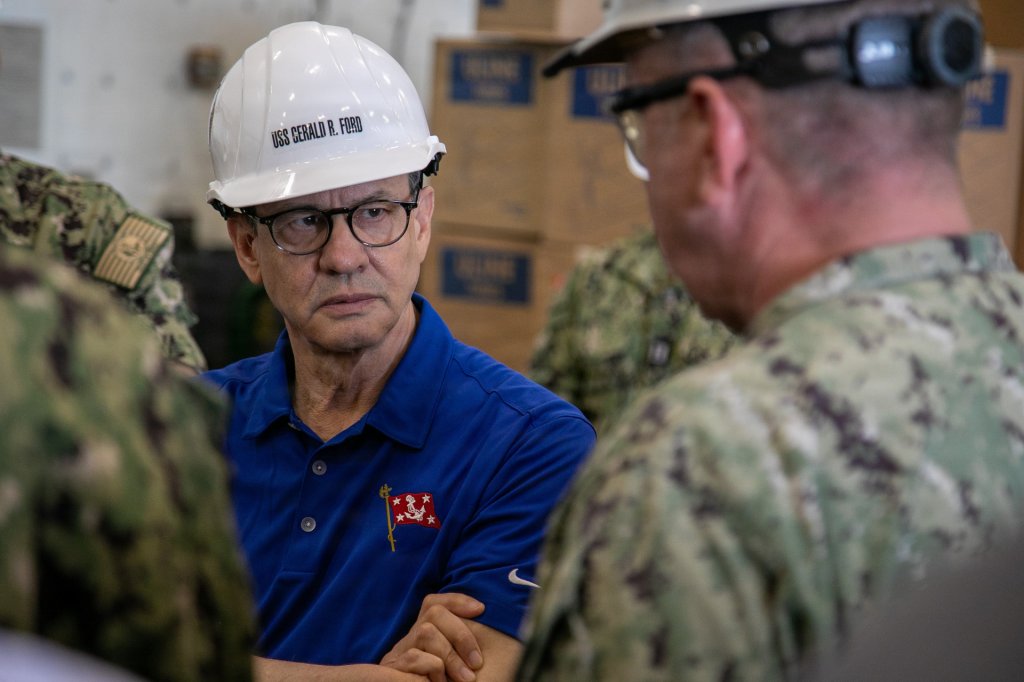
昨天,在参议院军事委员会举行的一场听证会上,威廉·托蒂就海军的协作作战飞机计划及其与F/A-XX的关系接受了询问。目前,参议员们正在考虑批准托蒂正式出任海军副部长的提名。“CCA飞机是未来航空舰队的组成部分,也是我们航空母舰未来作战能力的关键。更准确地说,空军一直在主导这一领域的发展,”托蒂在回答北卡罗来纳州共和党参议员泰德·巴德的问题时说道,“我们紧随其后,但在未来,将CCA飞机整合到空军联队中至关重要。”
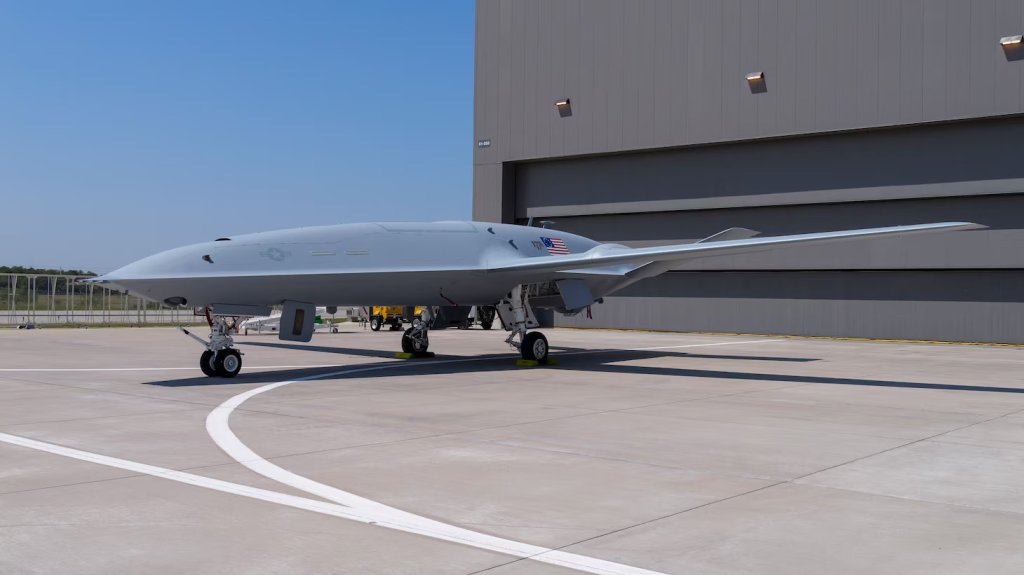
“我们的空军联队需要低成本、可快速部署的装备,而CCA正好能满足这一需求。因此我们已经制定了相关计划来开发这一能力。目前这些计划还处于初期阶段,”他继续说道,“不过,随着无人机相关项目被调整到海军副部长办公室——这是我担任副部长期间推动的——我认为未来我们能够更清晰地了解这些问题。”简单介绍一下背景:2025年9月,美国海军宣布已聘请安杜里尔、波音、通用原子能公司以及诺斯罗普·格鲁曼公司,为未来的舰载无人作战飞机制定概念设计。洛克希德·马丁公司也在致力于开发相关的控制架构。美国海军首款固定翼舰载无人机预计为MQ-25“黄貂鱼”,这是一种无人空中加油平台。
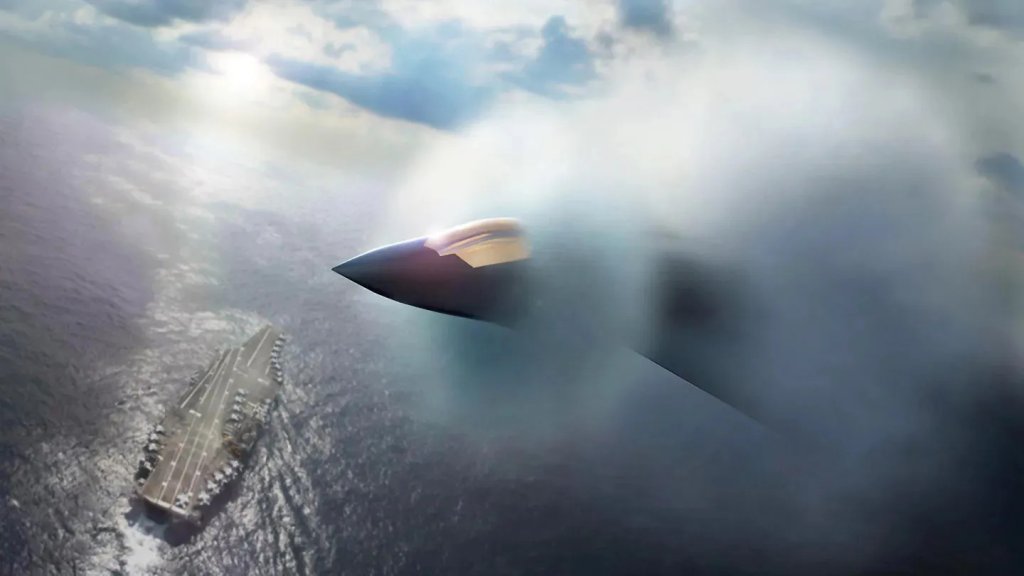
就在刚刚过去的9月,波音公司还击败了诺斯罗普·格鲁曼公司,赢得了F/A-XX项目的竞标。波音公司同时也是美国空军新型F-47第六代战斗机的主承包商。五角大楼此前曾因担心F/A-XX项目会与F-47项目争夺资源,而决定无限期推迟该计划,但国会随后出面干预,要求继续推进海军的这一项目。
“您认为舰载无人作战飞机需要等待F/A-XX项目,还是认为它可以与现有飞机一起使用?”昨天,参议员巴德在后续提问中这样询问托蒂。“不,参议员,我认为它们是独立的。我觉得我们或许可以在F/A-XX交付之前就开始整合相关系统,”托蒂回应道。“话虽如此,F/A-XX仍是一项至关重要的能力。在未来50年里,我们仍将拥有这些航空母舰,而认为F-35将是唯一能从这些航母上起降的飞机的想法根本站不住脚。”
“我们需要F/A-XX,而且CCA很可能会从一开始就集成到其中,但我认为这一能力同样也可以与F-35一起使用,”他补充道。托蒂在为听证会提前准备的政策问题答复中还写道:“第五代飞机、升级后的传统平台以及未来的第六代战机各自具备不同的作战优势,而无人机则为拓展作战范围、提升作战能力以及弥补有人航空力量的不足提供了可能。合理的配置必须在保持近期作战能力的同时,具备维持未来空中优势所需的能力。”
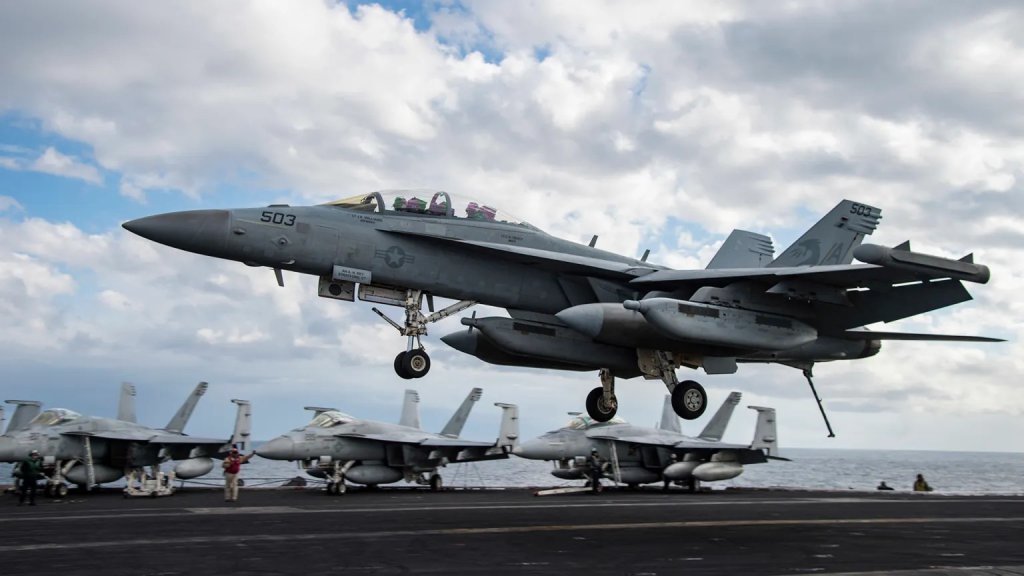
需要指出的是,空军目前预计其F-22“猛禽”战机将成为其未来空中指挥与控制系统的首批核心平台,其他平台如F-35和F-47预计也将随之投入使用。海军陆战队则计划将其首批空中指挥与控制系统与F-35战机配合使用。作为F-22和F-35的主要承包商,洛克希德·马丁公司一直在为这两种战机承担空中无人机指挥角色做准备。尽管托蒂没有明确提及,但海军的CCA无人机也可以与F/A-18E/F超级大黄蜂战斗机和/或EA-18G咆哮者电子战飞机配对使用。F/A-XX计划最终将取代这些飞机,但还需要很多年时间。TWZ此前曾阐述过,当CCA无人机与第四代战术飞机(包括空军的F-16战机)配对时,其价值会尤为突出。
海军、空军以及海军陆战队还有一项正式协议,要求在CCA无人机上使用相同或至少兼容的控制架构。这样做的目的是让各军种的有机组员在未来行动中能够互相操控对方的无人机。
正如托蒂所说,海军在实施其CCA计划方面仍处于初期阶段,不仅在控制架构方面如此。高级官员们此前也承认,海军在这方面落后于空军和海军陆战队。仅在今年,海军的CCA相关领域就出现了诸多新动向,多项招标公告表明,该军种对于未来舰载无人机的构想正在迅速发展。8月,海军航空系统司令部(NAVAIR)提出了新的要求,这些要求更符合先进无人作战飞行器(UCAV)的标准。考虑到海军在2010年代中期似乎即将部署舰载UCAV,这一进展显得尤为值得关注。
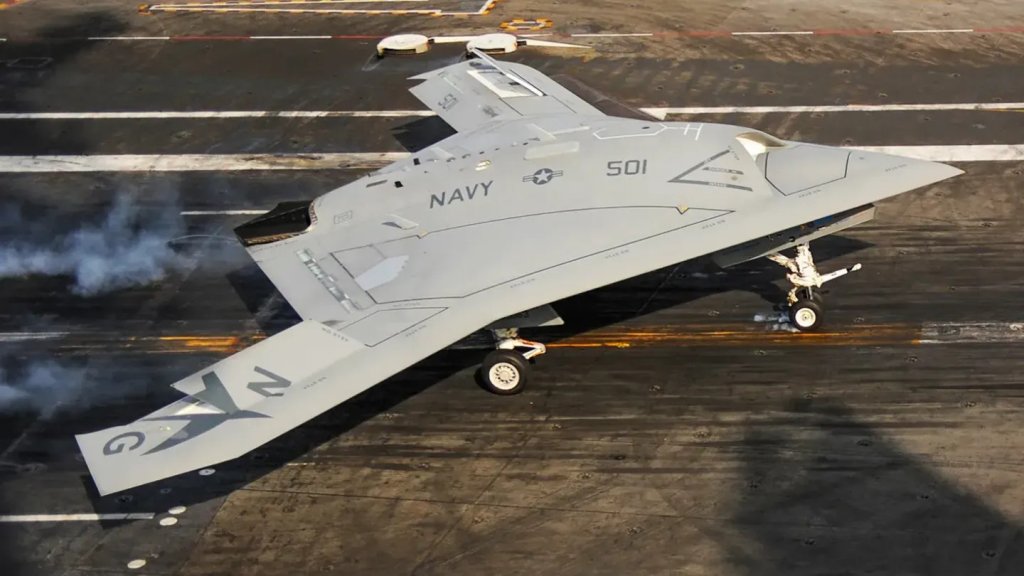
在“无人舰载空中监视与打击”(UCLASS)计划下,海军对两架X-47B UCAV演示机进行了大量飞行测试,包括测试其从航母上起降以及空中加油的能力。然而,该军种后来彻底改变了方向,决定转而研发加油无人机,从而诞生了MQ-25。未来,海军的CCA舰队可能会采用多种不同级别的设计。海军目前也在大力投资Shield AI的X-BAT喷气式隐形“战斗”无人机,旨在让其尽快投入实际使用。相关研发工作是通过“独立海上远征打击”(RIMES)计划进行的,该计划与海军的CCA项目是分开的。
X-BAT设计为从尾部起降,这一极具创新性的概念为任何拥有足够甲板空间的舰艇以及陆地基地带来了诸多新的应用可能。它的体积和性能也预计将超过空军和海军陆战队目前正在研发的典型CCA型无人机。
目前尚不清楚海军何时能让首批CCA无人机投入实际服役。托蒂昨日表示,基于航母的CCA无人机可能会在F/A-XX之前投入使用,而海军希望F/A-XX能在2030年代初在航母甲板上飞行。由于对现有工业生产能力持续存在担忧,关于F/A-XX项目进度的问题早已出现。波音公司的国防业务部门一直在努力扩大其生产设施,以满足不断增长的需求,其中包括F-47项目的需求。该公司在为美国军方开发的多个项目中也面临延误和成本超支的问题,这些项目包括F-15EX“鹰II”战斗机、T-7A“红鹰”喷气式教练机以及KC-46加油机。
“负责制造F-47的同一家公司也将负责制造F/A-XX,因此我们可以从空军那里学到很多经验,从而加快F/A-XX项目的进展,”美国海军代理部长洪高在本周早些时候的确认听证会上被问及为确保海军下一代战斗机项目按计划推进所采取的措施时这样表示。“我们实际上是在一个多月前才授予该合同的。”我们正在做出初步决策,以确定推出低成本初始产品所需的成本,这样我们就能加快项目进度,进而研发出下一代战斗机。
波音F-47与F/A-XX设计之间的关联程度目前尚不清楚。不过,TWZ此前指出,无论怎样,波音都能利用现有的相关设计成果以及生产经验和供应链。
曹坚称,海军总体上需要F/A-XX,这样才能在竞争中保持领先,应对包括中国和俄罗斯在内的潜在对手。
托蒂昨天的讲话表明,海军的CCA计划仍在进一步完善中。与此同时,海军希望继续推进这些新型无人机的研发,将其作为提升现有航母机群作战能力的重要手段。
联系作者:[email protected]
原文
One of the key roles envisioned for the U.S. Navy’s next-generation F/A-XX carrier-based fighter is serving as an airborne controller for advanced unmanned aircraft. However, the senior official currently performing the duties of Under Secretary of the Navy says the service does not need to wait for F/A-XX to begin adding Collaborative Combat Aircraft (CCA) type drones to its carrier air wings. The service could pair CCAs first with its F-35C Joint Strike Fighters.
William Toti was asked about the Navy’s CCA plans and their relationship to F/A-XX at a hearing before the Senate Armed Services Committee yesterday. Senators are currently considering Toti’s nomination to formally assume the role of Under Secretary of the Navy.
“CCA aircraft are an element of the future air fleet, the future combat capability of our aircraft carriers. We have been, for better – to put it in a better way, the Air Force has been leading this issue,” Toti said in response to a question from Senator Ted Budd, a North Carolina Republican. “We are following closely behind, but the integration of CCA aircraft in the Air Wing is critically important as we go forward.”
“We need low-cost, attritable assets in our Air Wing, and CCA will provide that. So we have programs in place to begin developing that capability. They’re still nascent,” he continued. “But I see that, with the realignment of the unmanned capability [portfolios] to the [Navy] Under Secretary’s office, which I executed while I was performing the duties of the Under Secretary, I think we’ll get adequate visibility into these issues as we go forward.”
To provide some quick context, in September 2025, the Navy announced it had hired Anduril, Boeing, General Atomics, and Northrop Grumman to develop conceptual designs for future carrier-based CCAs. Lockheed Martin has also been working to develop the underlying control architectures. The Navy’s first fixed-wing carrier-based drone is currently set to be the MQ-25 Stingray, an uncrewed aerial refueling platform.
Just this past September, Boeing also beat out Northrop Grumman to win the F/A-XX competition. Boeing is the prime contractor behind the Air Force’s new F-47 sixth-generation fighter, as well. The Pentagon had previously moved to put F/A-XX on hold indefinitely over concerns about competition for resources with F-47, but Congress subsequently intervened to keep the Navy’s program going.
“Do you think CCA needs to wait on F/A-XX, or do you think that’s something that we can use with current aircraft?” Senator Budd asked Toti yesterday in a follow-up question.
“No, Senator, I think that they’re independent. I think we could probably start integrating systems before F/A-XX delivers,” Toti responded. “Having said that, F/A-XX is a critical capability. We’re going to have these aircraft carriers around for the next 50 years, and the notion that the F-35 is the last airplane that’s going to be launched from them is just a non-starter. “
“We need F/A-XX, and CCA will certainly be probably built into it from [the] ground up, but I think it’s a capability we’ll be able to use with the F-35, specifically, as well,” he added.
“Fifth-generation aircraft, upgraded legacy platforms, and future sixth-generation capabilities each provide distinct operational advantages, while unmanned aircraft offer opportunities to extend operational reach, increase capacity, and complement manned aviation,” Toti also wrote in his prepared responses to policy questions provided in advance of the hearing. “The appropriate mix must preserve near-term readiness while delivering the capabilities necessary to maintain future air dominance.”
It should be noted here that the Air Force currently expects its F-22 Raptors to be its first aerial ‘quarterbacks’ for its forthcoming CCAs. Other platforms, including the F-35 and the F-47, are expected to follow. The Marine Corps is separately planning to pair its first CCAs with F-35s. Lockheed Martin, the prime contractor for the F-22 and the F-35, has been working to lay the groundwork for both platforms to serve in the airborne drone controller role.
Though Toti did not explicitly mention it, Navy CCAs could be teamed up with F/A-18E/F Super Hornet fighters and/or EA-18G Growler electronic warfare jets, too. F/A-XX is slated to eventually replace those aircraft, but not for many more years. TWZ has previously laid out how CCAs could be particularly valuable when paired with fourth-generation tactical jets, also including Air Force F-16s.
The Navy and the Air Force, as well as the Marines, also have a formal agreement in place to use the same or at least compatible control architectures for CCA drones. This is intended to allow for crewed platforms across the services to direct each other’s drones during future operations.
As Toti mentioned, the Navy is still very much in the stages of executing its CCA plans, and not just when it comes to airborne control architectures. Senior officials have acknowledged before that the service is trailing behind the Air Force and Marines.
Just this year there has been a flurry of new activity on the Navy CCA front publicly, with several contracting notices signaling that the service’s vision for future carrier-based drones has been evolving rapidly. In August, Naval Air Systems Command (NAVAIR) notably laid out a new set of requirements more in line with an advanced uncrewed combat air vehicle (UCAV). This has been even more interesting to consider given that the Navy looked to be right on the cusp of fielding a carrier-based UCAV in the mid-2010s.
The Navy extensively flight-tested two X-47B UCAV demonstrators under its Unmanned Carrier-Launched Airborne Surveillance and Strike (UCLASS) program, including demonstrations of their ability to operate from carriers and refuel in flight. However, the service completely changed course and decided to pursue a tanker drone instead, which led to the MQ-25. The Navy’s future CCA fleets could ultimately incorporate multiple tiers of designs.
The Navy is also now investing heavily in Shield AI’s X-BAT jet-powered stealth ‘fighter’ drone with a clear eye toward fielding a version operationally. That work is currently being done through the Runway Independent Maritime Expeditionary Strike (RIMES) program, which is separate from the Navy’s CCA efforts.
X-BAT is designed to take off and land vertically from a tail-sitting position, a highly ambitious concept that could open up a host of new possibilities for employment from any ship with sufficient deck space, as well as sites on land. It is also intended to be larger and more capable than typical CCA-type drones like the ones the Air Force and Marines are pursuing now.
It remains unclear when the Navy might be looking to have its first CCAs enter operational service. Toti did say yesterday that carrier-based CCAs could begin arriving before F/A-XX, which the service hopes to see flying for carrier decks in the early 2030s.
There are separate questions already about the F/A-XX program schedule amid continued concerns about available industrial base capacity. Boeing’s defense division has been working to expand its physical production facilities to meet growing demands, including from F-47. It has also struggled with delays and cost overruns on several programs for the U.S. military, including the F-15EX Eagle II fighter, T-7A Red Hawk jet trainer, and KC-46 tanker.
“The same company that’s building F-47 is going to build the F/A-XX, and with that, we’re able to learn a lot from the Air Force to accelerate the F/A-XX program,” Acting Secretary of the Navy Hung Cao said at his own confirmation hearing earlier this week when asked about steps being taken to keep the Navy’s next-generation fighter program on track. “We literally just awarded the contract a little over a month ago. We’re doing the preliminary decisions [sic] to see how much it would cost in order to get the low-rate initial product out there, so that we can accelerate the program and get the next-generation fighter.”
Just how closely related Boeing F-47 and F/A-XX designs are remains unknown. However, TWZ has previously pointed out that Boeing will be able to leverage relevant design work, as well as production experience and supply chains, regardless.
Cao was insistent that the Navy needed F/A-XX, in general, to be able to keep ahead of potential adversaries, including China and Russia.
Toti’s remarks yesterday make clear that the Navy’s CCA plans are still solidifying. At the same time, the service is looking to press ahead with the development of these new drones as an important force multiplier for carrier air wings as they exist now.
Contact the author: [email protected]