社会民生
请保持安静与安全。
中文译文
韩国可能是一个极其嘈杂的社会。政治竞选活动、公寓建设、抗议活动、公共公告、手机上的战争警报,还有吹叶机。真该讨厌这些东西!
对许多人来说,韩国是充满激情的土地。有音乐与噪音,有僵尸题材的作品,有梦想,也有浪漫。那为什么有时这里会如此安静呢?为什么早上9点的地铁里挤满了数百万人,他们都安静地穿梭在各个车站之间,就像用黑色长外套包裹着的紫菜卷一样?为什么当外国学生到来时,人们不会蜂拥而至为他们庆祝呢?这并非出于仇恨,甚至也不是漠不关心。通常只是人们喜欢安静。在经历了如此多的混乱之后,这片土地终于在某些小范围内,为少数人带来了宁静与安全。这就是充满晨间宁静的土地。也许韩国人并非真的喜欢沉默。或许只是因为沉默终于成为了可能。在经历了那么多世世代代、世界可能毫无征兆地天翻地覆之后,能够坐在地铁上玩《皇家对决》,而无需担心比按时上班更重要的事情,这本身就是一件了不起的事。
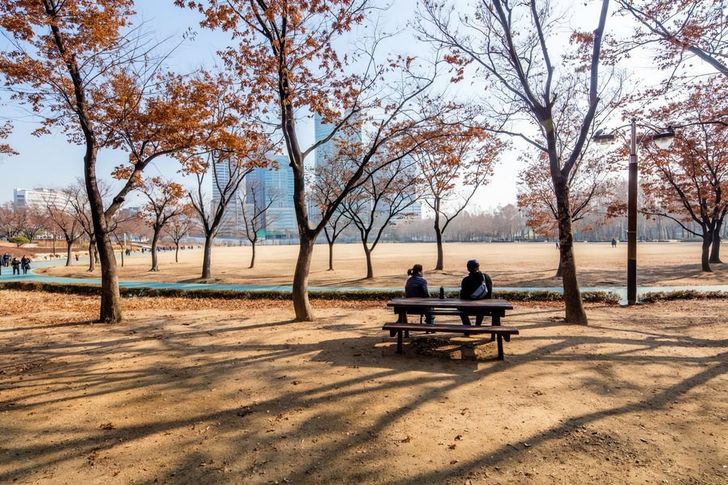
过去那些猛烈肆虐的风暴暂时退去了。但毫无疑问,它们还会再来。大自然总是如此。树叶变红,北风呼啸,雪纷纷降临,世界也在不断变化。阳光追随雨水,追随春天,追随冰雪。而有时,如果你足够幸运,足够安静,就能看到彩虹。人类不再受苦。这是韩国人所渴望的。没有痛苦,没有战争或分裂,没有对无力反抗之人的虐待。一个因非凡的活力、雄心、创造力以及技术创新而受到国际赞誉的国家,或许内心深处渴望的只是像普通周二下午那样平静的生活。
在西方的政治与文化话语中,我们常常谈论繁荣、自我实现、表达、认可、自由、被看见、被倾听。但另一种同样合理的愿望或许仅仅是能被放过,安全地回家,让家庭完整无缺,醒来时发现世界依然没有崩溃。
在一个经历过殖民统治、国家分裂、战争、独裁以及严重经济动荡的国家里,这几乎成了一种政治理念。这就是为什么韩国人渴望安全。一个人们可以毫无畏惧地乘坐公交车的安全社会。一个人们可以让孩子在户外奔跑的城镇。一家桌子上放着个人物品,昂贵的电子设备也任人取用的咖啡店。公园里的健身器材。没有涂鸦的街道,以及当送货员到来时,公寓门外的物品不会因前一晚在Coupang上的疯狂消费而遭到破坏。
他们希望孩子们能安全回家。他们希望女性无需担心自身安全就能生活。他们希望人们能做到正确的事。因此,这并不总是关乎繁荣发展。也并非总是要为受压迫者与弱势群体发声,让人们为他们存在而欢呼。你可以成为任何你想成为的人,但要默默地去做。不要制造分裂或冲突。无需庆祝,只需存在。也让他人能够存在。当然,这其中也存在风险。沉默可能变成顺从,对和平的渴望可能变成要求他人停止抱怨。
或许历史与此有关。代代相传的认知告诉我们,那些我们认为永恒的事物往往极其脆弱。我们所熟知的世界、我们使用的语言、我们所爱的人以及我们称之为家的地方,都可能被夺走。他们用来称呼母亲的词汇、他们曾经唱过的歌曲、他们的食物、白米饭、他们讲述的英雄故事,以及他们出生的国家,所有这些都在枪口威胁之下。一切都被法律、武力、压迫以及那些对他们生活方式知之甚少且毫不在意的势力所摧毁。必须用外语进行计数。在海外向皇帝鞠躬。外国军队占据着他们的草地。
这一切都存在于父母和祖父母的记忆之中。这是个如《圣经》中所描述的情景。就像数千年前那些在沙漠中徘徊、不知光明何在的民众所遭遇的种种灾祸、屠杀、洪水与闪电一般。那些你现在能在公园里看到、正弯着腰坐在棋盘前的人们,以及地铁车厢末尾那些拥有特殊座位的人群,他们也经历过这些。他们知道这些,因为他们亲眼所见,他们的父母也亲身经历。只不过,这些事情并非发生在中东,而是发生在春川、马山、堤岩里、首尔和平壤。所以他们现在所期望的,是人们免于苦难——他们的家人、他们的国家、他们周围的整个世界。他们渴望安全,渴望稳定。他们渴望团结,渴望延续。这并不总是关乎幸福,更像是:“我们能不能就这样从A点走到B点?而不经历苦难?”
我们不介意沉默,不介意宁静。这样我们可以思考,可以静下心来,不必提高嗓门,不必呼喊。
但当然,如果有人威胁我们,如果有人挑战我们,如果有人胆敢打破这种平静,我们就会拿出蜡烛,唱起歌曲。我们会坐下来,以和平的方式要求安全、稳定与宁静能够再次降临。有时候,维护一个宁静社会的唯一方法,就是变得非常喧闹。
原文
Korea can be an extraordinarily noisy society. Political campaigning, apartment construction, protests, public announcements, war alerts on your phone and leaf blowers. Damn those things!
Korea, for many, is the land of excitement. Of music and noise, of zombies, of dreams, of romance. So why is it so quiet sometimes? Why are the 9 a.m. subway cars filled with a million people all quietly moving between stations, wrapped like kimbap in their black long-paddings? Why, when foreign students arrive, do people not flock to them and celebrate their arrival? It’s not hate. It’s not even disinterest. It’s generally just a love of silence. That after so much chaos, this land finally, at least in small pockets, for a few people, has some silence and safety. The land of the morning calm.
Perhaps it's not actually that Koreans love silence. Perhaps it's that silence has finally become possible. That after generations in which the world could turn upside down without warning, there is something remarkable about being able to sit on a subway, play Royal Match and worry about nothing more important than getting to work on time.
The storms of the past that blew so violently have, for now, receded. No doubt they will return. Nature always does. The leaves turn red. The north wind blows. Snow arrives. And the world turns. Sun follows rain, follows spring, follows the ice. And sometimes, if you’re lucky, if you’re quiet enough, you get to see the rainbow.
The non-suffering of human beings. That's what Koreans want. No pain. No war or division. No abuse of those who can’t fight back. A country internationally celebrated for its extraordinary energy, ambition, creativity and technological innovation might privately aspire to something as unremarkable as an ordinary Tuesday afternoon.
In Western political and cultural discourse, we often talk about flourishing. Self-actualization. Expression. Recognition. Freedom. Being seen. Being heard. But another equally legitimate aspiration might simply be to be left alone. To get home safely. To have one's family intact. To wake up tomorrow and find that the world hasn't collapsed.
And in a country that experienced colonization, national division, war, dictatorship and extraordinary economic upheaval it’s almost a political philosophy.
That's why Korean people want safety. A safe society where people can take a bus without fear. A town where people can let their kids run outside. A coffeeshop with personal property left on tables and expensive gadgets within reach of anyone. Exercise machines in parks. Streets free of graffiti and last night’s outrageous spending on Coupang left unmolested by their apartment door when the delivery driver arrives.
They want kids to return home. They want women to exist without concern for their physical safety. They want people to just do the right thing.
It's not always, therefore, about flourishing. It's not always this championing of the oppressed and the downtrodden, where people should celebrate their existence. You can be anything you want, but do it quietly. Don’t cause ruptures or division. Don’t celebrate. Just exist. And let others exist, too. Of course, there is a danger in this. Silence can become conformity. The desire for peace can become a demand that others stop complaining.
Perhaps history has something to do with it. The knowledge, passed down through generations, that the things we consider permanent are often terribly fragile. That the world we know, the language we speak, the people we love and the places we call home can all be taken away. The words that they used to call their mother and the songs that they used to sing. Their food. The white rice. The heroes whose tales they told. The nation into which they were born. All threatened at gunpoint. All ripped asunder through legality, force, oppression and powers that knew little and cared even less about their ways of life. The necessity of counting in a foreign language. Bowing to an emperor in a land across the sea. The foreign troops sitting on their grass.
All of it is within the memories of parents and grandparents. It’s a tale of Biblical proportions. Like all the plagues, slaughters, floods and lightning bolts sent to the people traipsing through the desert millennia ago wondering where the light was. This has happened to the people you can see sitting in the parks hunched over chessboards and the group at the end of the subway car given special seats. They know this because they saw it. And their parents lived through it. Except it wasn’t in the Middle East, it was in Chuncheon, Masan, Jeam-ri, Seoul and Pyongyang.
So what they hope for now is the non-suffering of the people. The families, the nation, the world around them. They want safety, they want stability. They want unity, they want continuity. It's not always about happiness. It's more like, “Can we please just go from A to B? Without suffering?”
We wouldn't mind the silence. The quiet. To be able to reflect. To take it in. To not have to raise our voices, not have to shout.
But of course, we will. If somebody threatens us, if somebody challenges, if somebody dares to put a rupture in this, we will bring our candles, bring our songs. And we will sit, and we will peacefully demand that the safety and stability and the silence continue once more. Sometimes, the only way to preserve a quiet society is to become very loud.