社会民生
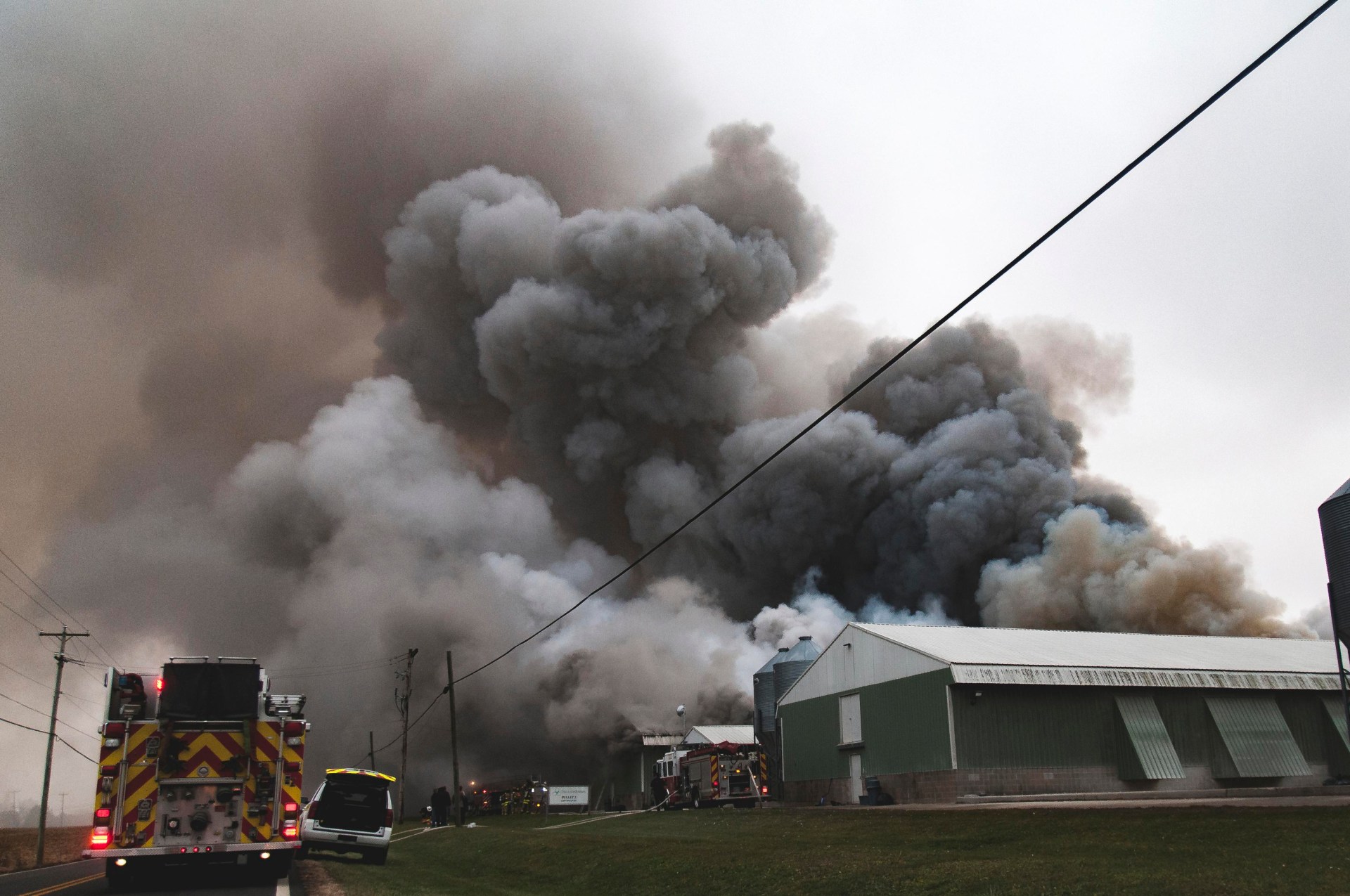
美国最大的鹅肝公司存放鸟类的仓库刚刚被烧毁。
中文译文
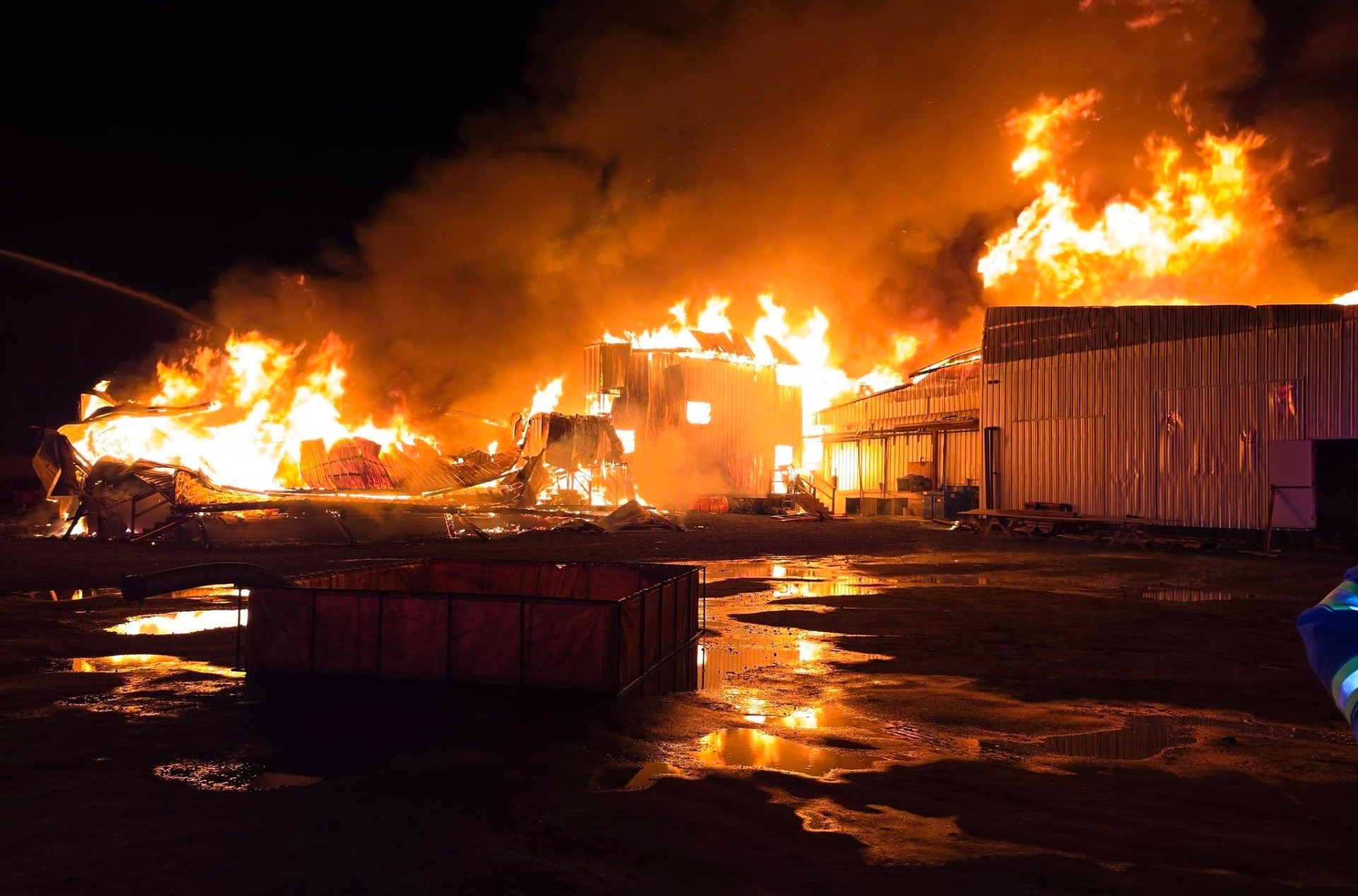
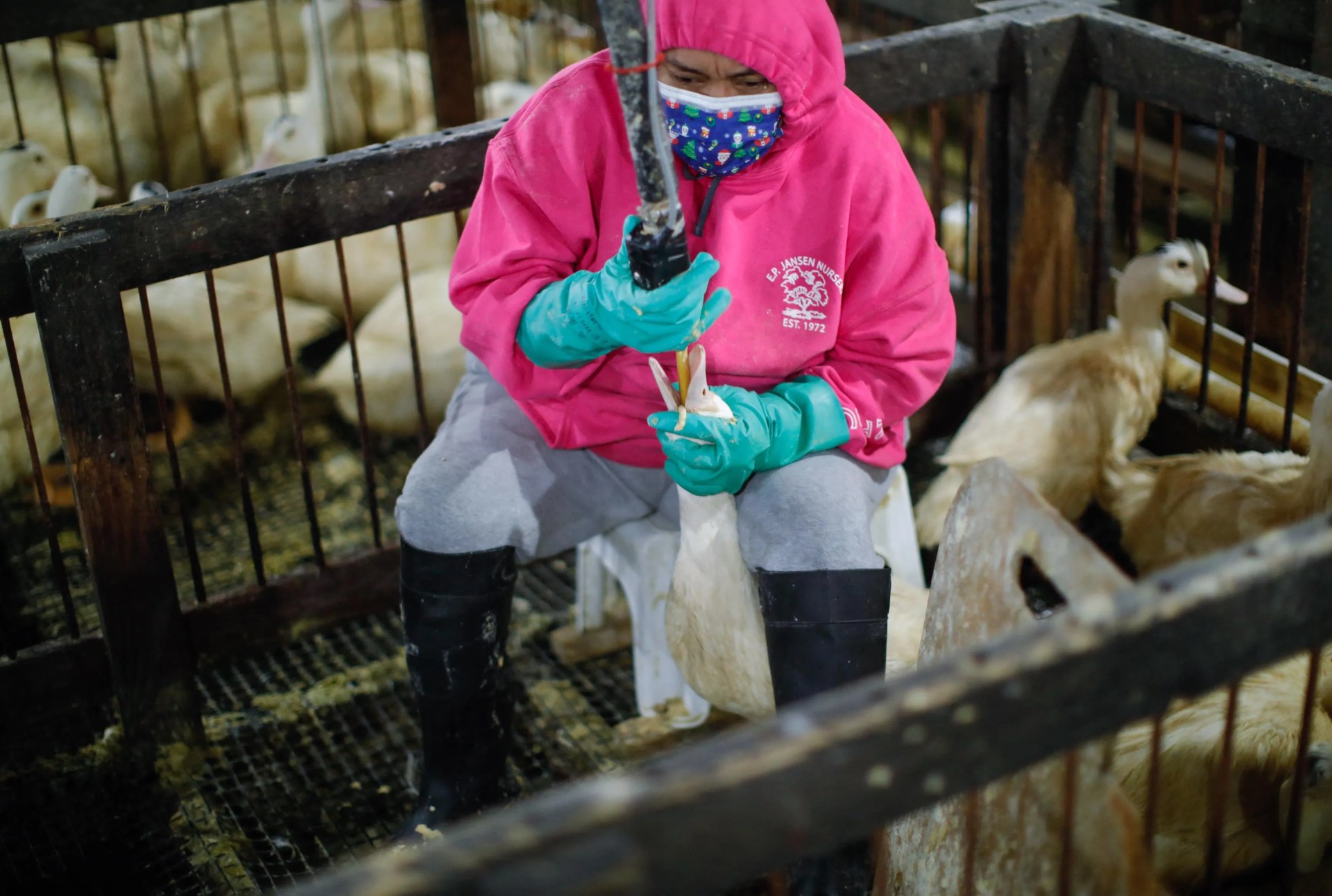
周四清晨,纽约州北部的一家名为哈德逊谷鹅肝厂的工厂发生了火灾,该厂是美国最大的鹅肝生产地。鹅肝在法语中意为“脂肪肝”,是一种高档食品,是通过在鸭子生命的最后几周强行喂食制成的。
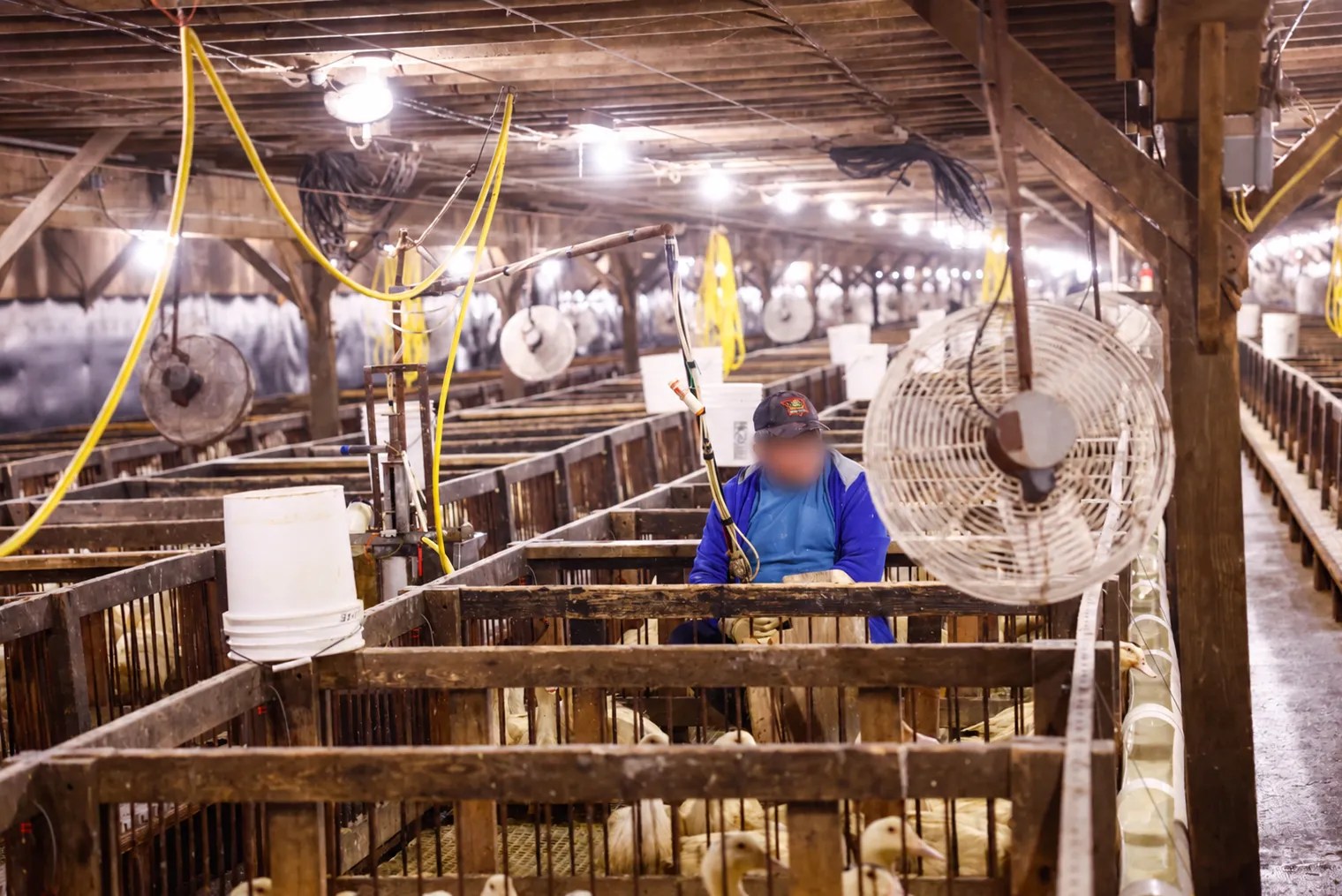
这场火灾烧毁了多座畜舍,虽然有数百只幼鸭和鹅幸存,但具体死亡数量仍不清楚。商业鸭场通常每座畜舍会饲养数千只鸭子,有时甚至超过1万只。
“火势蔓延得非常快,根本无法进入内部阻止火势扩散,”斯莫尔伍德/蒙高普谷消防队的队长查理·卡利诺夫斯基告诉卡茨基尔电台。来自37个消防部门的约200名急救人员赶赴现场扑救,没有人员受伤。Hudson Valley Foie Gras公司尚未立即回应置评请求,不过该公司的一位副总裁告诉Radio Catskill,他们怀疑火灾是由电气故障引发的,这一说法尚未得到当地消防部门的确认。
非营利组织动物福利研究所的艾莉·格兰杰向Vox表示,谷仓火灾的起因通常不会被上报,但即便有报告,电气故障往往是像Hudson Valley Foie Gras这样规模较大的企业中最常见的起火原因之一。这一事件预计将严重冲击美国的鹅肝供应,因为哈德逊河谷鹅肝厂是美国仅有的两家主要生产商之一。这场火灾发生在华盛顿特区和科罗拉多州丹佛市的选民投票决定禁止销售鹅肝数周之后。加利福尼亚州、宾夕法尼亚州匹兹堡市、俄勒冈州波特兰市、纽约市以及巴西也均已禁止销售鹅肝。印度则禁止进口该产品。
鉴于围绕鹅肝的长期争议以及近期相关的投票结果,这场火灾可能会获得相当多的媒体关注。不过,在美国畜牧业中,谷仓火灾其实相当常见,每年都有数十万甚至上百万头动物因此丧生。虽然可以采取一些措施来减少这一数字,但肉类、牛奶和鸡蛋行业大多反对相关改革。
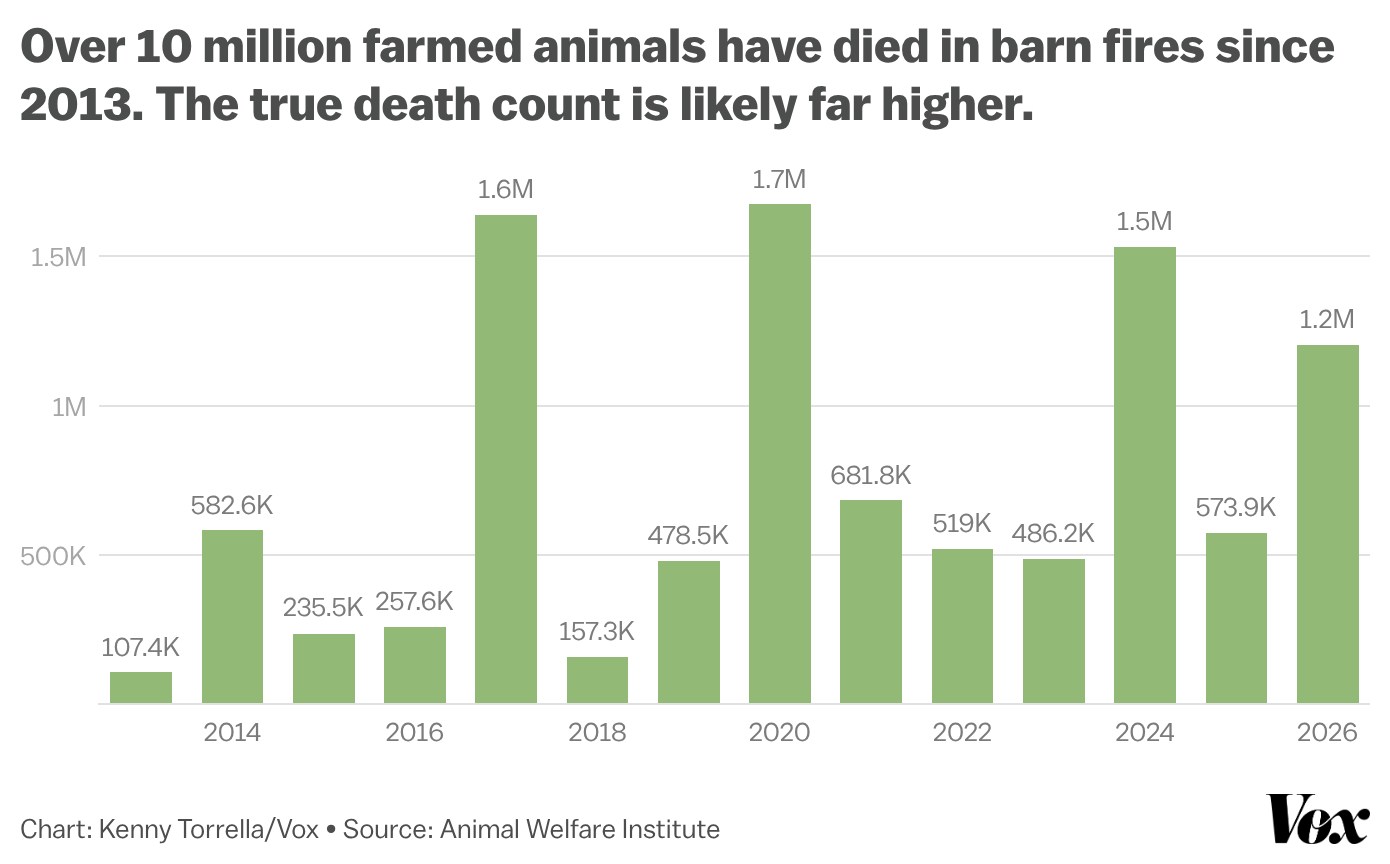
简述美国的工业谷仓火灾问题2026年,根据动物福利协会的统计,美国发生的80多起农场火灾已导致120多万只动物死亡。其中约100万只动物是在3月爱荷华州一家大型养蛋场的多座畜舍被烧毁时丧生的。
自2013年以来,美国因火灾死亡的养殖动物总数已超过1000万只。动物福利协会认为这一数字被低估了,因为各州的报告要求不尽相同。
当农场发生火灾时,动物们通常没有逃生途径。正如我在2024年所写的:
在美国,几乎所有用于生产肉类、奶制品和鸡蛋的动物都是在工厂化农场中饲养的,成千上万甚至数以万计的动物被挤在巨大的仓库里。这些并非人们从公路上可能看到的那种古老的红色畜舍,也不是工业革命前的过时建筑。它们配备了现代化的通风、照明和供暖系统,而这些系统也有可能出现故障并引发火灾。根据美国国家消防协会的说法,故障的供暖和电气系统是美国谷仓火灾的主要原因。该协会负责制定消防法规和标准,这些标准随后被各州和地方采纳,其中也包括针对畜牧场等动物饲养设施的规范。格兰杰告诉我,这些规范涵盖了喷水系统、建筑结构与材料、烟雾检测、火警系统及警报通知等方面的要求。
2024年,美国国家消防协会投票决定更新其动物饲养设施规范,要求在大型谷仓中安装喷水系统。代表鸡蛋、猪肉和鸡肉行业的贸易团体反对这一决定。不过,这次投票更多具有象征意义,因为农民只需在已采纳该规范的州遵守相关要求。据美国国家消防协会称,目前只有九个州采用了该规范——纽约不在其中——而且其中几个州实际上还免除了对农场的相关要求。(在那些不对农场免除相关要求的州中,目前尚不清楚是否正在执行喷水系统安装规定。NFPA尚未立即回应相关询问。)
一些行业团体认为,喷水系统成本过高,部分农场在发生火灾时可能没有足够的水源设施来为喷水系统供水,而且其他防火和减灾措施已经足够。目前尚不清楚Hudson Valley Foie Gras的畜舍是否安装了喷水系统。
“我们在美国各地的许多设施中都要求安装喷水系统,”格兰杰说,“事实证明,这些系统能够挽救生命。”
本周在Hudson Valley Foie Gras的火灾中死亡的鸭子和鹅本来就注定要被屠宰。但它们的死亡提醒我们,对于美国农场为生产肉类、牛奶和鸡蛋而饲养的动物的生活状况及安全保障,我们其实知之甚少。
原文
Early Thursday morning in upstate New York, a fire broke out at Hudson Valley Foie Gras — the largest US producer of foie gras. French for “fatty liver,” foie gras is a delicacy product that’s made by force-feeding ducks in the final weeks of their lives.
The fire destroyed multiple barns, and while hundreds of young ducks and geese survived, it’s still unknown how many died. Commercial duck farms tend to house thousands of animals — and sometimes over 10,000 animals — per barn.
“The fire took off so fast, there was no way to get inside to stop the spread,” Charlie Kalinowski, chief of the Smallwood/Mongaup Valley Fire Department, told Radio Catskill.
Approximately 200 first responders from 37 fire departments responded to the blaze, and no humans were injured. Hudson Valley Foie Gras didn’t immediately respond to a request for comment, though a vice president at the company told Radio Catskill that they suspect it started due to an electrical malfunction, which hasn’t been confirmed by local fire officials.
Allie Granger of the nonprofit Animal Welfare Institute told Vox that the cause of barn fires usually goes unreported, but when they are reported, electrical malfunction tends to be among the most common causes at relatively large operations like Hudson Valley Foie Gras.
This incident is expected to hit the US foie gras supply hard, as Hudson Valley Foie Gras is one of just two major US producers. The fire came weeks after voters in Washington, DC, and Denver, Colorado, voted to ban the sale of foie gras. Foie gras sales have also been banned in California; Pittsburgh, Pennsylvania; Portland, Oregon; New York City; and the country of Brazil. India has banned imports of the product.
The fire may get a relatively large amount of press attention, given the decades-long controversy over foie gras and recent votes on the product. But barn fires are a surprisingly common occurrence in the US livestock sector, killing hundreds of thousands to over a million animals each year. Some steps could be taken to reduce that number, though the meat, milk, and egg industries have largely opposed reforms.
America’s industrial barn fire problem, briefly explained
In 2026, according to the Animal Welfare Institute, more than 1.2 million animals have already died in over 80 farm fires in the US. About 1 million of them died when several barns burned down at a massive egg farm in Iowa in March.
All told, more than 10 million farmed animals have died in fires in the US since 2013, which AWI believes is an undercount since reporting requirements vary by state.
When fires break out at farms, there’s usually no escape route for the animals. As I wrote in 2024:
Virtually all animals raised for meat, dairy, and eggs in the US are raised on factory farms, where thousands to tens of thousands of animals are crammed together in large warehouses. These aren’t the old red barns you might see from the highway, anachronisms from a pre-industrial age. These contain modern ventilation, lighting, and heating systems that can malfunction and start a fire.
According to the National Fire Protection Association, malfunctioning heating and electrical systems are the leading cause of US barn fires. The organization writes fire codes and standards, which are then adopted by states and localities, and they have a code for animal housing facilities, which covers farms. Granger told me it includes guidelines for sprinkler systems, building construction and materials, smoke detection, fire alarm systems and notification, among other measures.
In 2024, the National Fire Protection Association voted to update its animal housing code to require sprinklers in large barns. Industry trade groups representing the egg, pork, and chicken meat industries opposed the decision. The vote was arguably symbolic, though; farmers would only need to follow it in states that have adopted the code. According to NFPA, only nine states have — New York isn’t one of them — and several of these actually exempt farms from it. (Among the states that don’t exempt farms, it’s unclear whether the sprinkler requirement is being enforced. The NFPA didn’t immediately respond to questions.)
Industry groups have argued that sprinkler systems would be too costly, that some farms may not have the water infrastructure to supply them in the event of a fire, and that other fire prevention and mitigation measures are sufficient. It’s currently unknown whether or not Hudson Valley Foie Gras’s barns had sprinkler systems.
“We require sprinklers in so many different facilities across the United States,” Granger said. “They have been proven to be lifesaving.”
The ducks and geese that died in the fire at Hudson Valley Foie Gras this week were of course destined to be slaughtered. But their deaths are a reminder of how little we know about the lives and safety of the animals US farms raise for our meat, milk, and egg supply.