科技
将你面部的AI版本出售给这家微剧初创公司,就是好莱坞的未来吗?
中文译文
总体而言,微剧初创公司Shortical提供的内容与业内其他作品并无区别。该公司制作的都是情节夸张、充满戏剧性的故事——几乎都是低俗的浪漫剧情——通过两分钟一集的形式,迫使观众紧盯手机,以免错过这些充满低俗情节和悬念的剧情发展。
成立于去年1月的Shortical主要通过订阅模式盈利。通常,一部微剧的前7到10集是免费的。之后,如果用户想看完整部剧,就需要支付一笔小额月费,才能访问该网站的所有内容。
在过去一年里,该公司推出了多部受欢迎的真人浪漫剧,如《与邻居越界》《意外嫁给了老板》以及《被亿万富翁金主宠坏》。然而最近,该公司的主页上充斥着人工智能生成的内容。原因其实不难理解:人工智能内容的制作成本远低于实拍内容。而一旦能吸引到观众,其盈利潜力则要高得多。
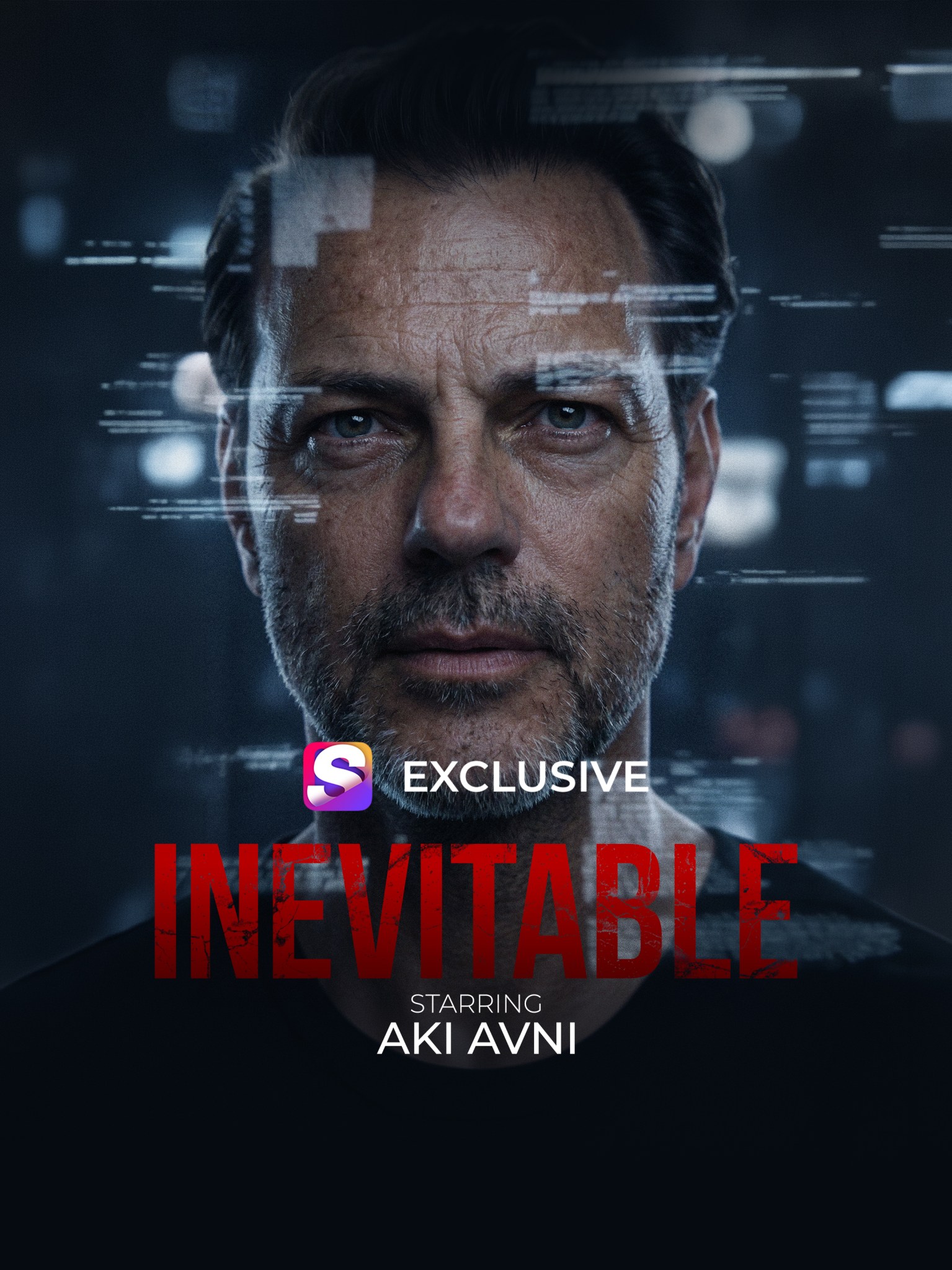
该公司最新的微剧上周在洛杉矶首播。这部名为《不可避免》的系列剧由以色列影视明星阿基·阿夫尼主演。他多年来一直出现在美国电视节目中(多年前曾在福克斯电视台的9/11题材惊悚剧《24小时》中出演),但现在他正在尝试现代好莱坞几乎从未有过的事情:将自己的面部形象授权给Shortical,用于制作人工智能内容。
这个完全由人工智能驱动的项目利用阿夫尼的面部形象创建了他的数字分身。在《不可避免》中,他扮演的是自己——剧情本身具有很强的元叙事特点:身为演员的阿基·阿夫尼将自己面部形象授权给一家电影公司,随后一系列类似惊悚剧的情节便展开了。这是Shortical首次涉足此类授权合作,但很可能不会是最后一次。
在电话采访中,阿夫尼告诉TechCrunch,他觉得这个项目既令人紧张又充满兴奋。“看,这对艺术家来说是一个新的时代,”这位演员说道,“人工智能是一种新的艺术形式,也是一种新的创作方式。能够成为某领域的先驱总是很棒的。”
Shortical的首席执行官盖伊·希莫尼强调了这一新工具的创意潜力。“人工智能的作用之一,就是让较小的团队也能制作出电影级别的作品,”希莫尼说,“以前我们制作以手机为平台的真人剧时,会受到预算的限制,但现在我们可以为他们呈现宏大的幻想场景——有王国、有龙、有超级英雄,还有狼人。”
不过,由人工智能生成的涉及狼人的浪漫故事——到底会有谁来看这类内容呢?显然,有很多人观看这类内容。虽然中国拥有全球最多的微剧观众,但Shimoni表示,他平台上的大多数观众实际上在美国。该行业的观众群体以女性为主。许多观众会在夜间观看这些内容,从而在入睡前获得轻微的多巴胺刺激。该公司网站上已有的许多人工智能生成的节目似乎都拥有数百万的观看量。
如今,Shortical正致力于培养新一代创作者——那些像Avni一样愿意为报酬放弃自己形象的人。Shortical的网站上有“许可你的脸庞”这样的广告,说明有兴趣的人可以将自己的社交媒体账号提交给该公司,该公司随后会决定是否与他们签订合同,明确在该公司人工智能生成内容中使用其形象的条款。一名公司代表告诉TechCrunch,这项服务“仍处于初期阶段,尚未达成任何正式合同”。他们补充说:“与Aki合作的系列是Shortical首次使用真实人物的形象,是通过与他直接签订协议来实现的,而非通过平台。Shortical希望该系列能提升人们对面部授权的关注度,并计划在推出后更积极地推广这项服务。”
这一趋势在中国已经相当普遍,因为微剧行业正是在中国兴起的,那里的AI生成内容十分发达,面部授权也早已成为一种趋势。不过,对于创作者来说,这一趋势可能并不会带来太多利润。《Rest of World》最近的一份报告指出,微剧公司支付给人们用于面部授权的费用“在15美元到700美元之间”。Shortical在其面部授权业务中愿意支付多少费用?该公司并未透露。至于是否会像电视行业那样为创作者提供基于版税的补偿,Shimoni含糊地回答称“这要视具体情况而定”。
Shortical的一位代表进一步向TechCrunch解释称,公司不想透露Avni那份合同的具体金额。不过该人士表示,Avni是作为该项目的合作伙伴加入的,其报酬符合同类非人工智能表演角色的行业标准。然而,对于其他演员来说,这些协议可能大不相同。此外,许多创作者对自动化逐渐渗透到他们所在行业中的迹象感到不安,这也在情理之中。直到最近,微剧似乎还是进入娱乐行业的安全途径,年轻演员可以通过在片场积累经验来提升演技。如今,各公司正在缩减规模,制作甚至不需要真实演员参与的内容。
作为该行业的长期粉丝,同时也是咨询公司Vertical Drama Love的创始人,詹妮弗·库珀指出,无论是观众还是微剧行业内部,都对人工智能存在很大的不信任。
“每个人都受到了人工智能的影响,”她说。“我们中的很多人要么因为人工智能而失去工作,要么能看到它正在摧毁这个行业——它让微剧从曾经极为罕见、仍在发展且能为年轻人提供工作机会的领域,变成了如今这般遭重创的状况。”关于AI形象使用许可的问题也一直困扰着该行业(一些创作者声称自己的形象被盗用),而Shortical显然试图通过其新的面部许可机制来解决这一问题。
不过,这些许可协议也可能促使该行业向零工经济模式转型,即创作者需向分发平台支付费用才能将自己的内容(或面部形象)上传到平台上,然后根据所吸引的受众互动量获得报酬。Shortical最近与一家名为Payouts.com的公司建立了合作关系,该公司自称是“一个能够大规模为创作者和零工经济从业者提供支付服务的基础设施平台”。其计划是建立一个系统,让创作者能够无缝地与Shortical的平台进行互动并获取报酬。库珀认为,行业内对人工智能的推崇是由更广泛的金融趋势推动的。微剧行业大多由初创企业主导,风险投资机构喜欢听到涉及自动化的增长计划。“如今,任何想在微剧领域获得投资的人,都必须提到人工智能这个词,”她说,“在大家眼里,人工智能简直就等同于黄金。”
尽管在这一领域有大量投资,但库珀对这类内容是否真的拥有庞大受众持怀疑态度。“其中一些内容确实能获得浏览量,但很多则不然,”她谈到人工智能相关内容时说,“我觉得这种内容更多是被强加给受众,而非受众真正有需求或希望看到它。”
原文
For the most part, the content offered by the microdrama startup Shortical is indistinguishable from the rest of its industry. The company produces soapy, melodramatic storylines — almost always risqué romances — that, in bite-sized two-minute episodes, compel viewers to stay glued to their phones so as not to miss the latest twist in a tawdry, cliff-hanger-happy saga.
The primary way that Shortical — which was founded last January — makes money is through subscriptions. Typically, the first 7-10 episodes of a micro-drama are free. After that, if the user wants to finish the series, they have to pay a small monthly fee which unlocks access to all of the site’s content.
Over the past year, the company has churned out a gush of popular live-action romances like “Crossing the Line with My Neighbor,” “Accidentally Married My Boss,” and “Spoiled by My Billionaire Sugar Daddy.”
Lately, however, the company’s homepage is covered in AI-generated content. The reason isn’t exactly hard to figure out: the production overhead for AI content is substantially less than live-action. The profit potential, meanwhile, is substantially higher, if you can draw an audience.
Its latest microdrama premiered in Los Angeles last week. The series, called “Inevitable,” stars Aki Avni, an Israeli film and television star who has been visible in American TV shows for years (he had a stint on Fox’s 9/11-era thriller “24” years ago) but is now trying something largely unheard of in modern Hollywood: licensing his face to Shortical for the sake of its AI content.
The project, which is wholly AI, used Avni’s face to create a digital avatar of him. In “Inevitable,” he plays himself – in a very meta plot in which he — the actor Aki Avni — licenses his face to a film studio, after which thriller-like antics ensue.
This is Shortical’s first foray into such a licensing deal, but it likely won’t be their last.
In a phone interview, Avni told TechCrunch that he found the project both nerveracking and exciting. “Look, it’s a new era for artists,” the actor said. “AI is a new kind of art. It’s a new format. It’s always great to be the pioneer in something.”
Guy Shimoni, the CEO of Shortical, emphasized the creative potential of the new tool. “One of the things that AI does is it enables smaller teams to be able to produce these movie-scale productions,” Shimoni said. “When we were doing mobile-first live action, we were limited by budget, but now we can serve them with epic fantasies. We have kingdoms and dragons. We have superheroes. We have werewolves.”
But AI-generated romances involving werewolves — who, exactly, is watching this kind of thing?
Apparently, a lot of people. While China boasts the biggest microdrama audience globally, Shimoni says that most of his platform’s viewers are actually in the U.S. The industry’s viewer demographic skews heavily female. Many viewers may watch them to wind down at night, getting minor dopamine hits as they drift off to sleep. Many of the AI-generated programs that already exist on the company’s website appear to have millions of views.
Now, Shortical is betting on the creation of a new generation of creators — those who, like Avni, are willing to surrender their likenesses for compensation. “LICENSE YOUR FACE” Shortical’s website advertises, explaining that interested parties can submit their social media handles to the company, which will then decide whether to offer them “a contract setting out the terms” of using their persona in the company’s AI-generated content.
A company rep told TechCrunch that this “offering is still in its early days and hasn’t yet resulted in any signed contracts.” They added: “The series with Aki is the first time Shortical has used a real person’s likeness, and it was done through a direct agreement with him rather than through the platform. Shortical hopes the series will draw more attention to face licensing and plans to promote the offering more actively following this launch.”
Much of this trend has already taken hold in China where the microdrama industry originated, where AI-generated content is big, and where face-licensing is already a trend. Although the trend may not be a particularly profitable one for creators. A recent report in Rest of World found that Microdrama firms were paying people “between US$15 to US$700 to license their facial likenesses.”
How much money is Shortical offering for its face-licensing deals? The company isn’t saying. As for if Shortical will offer royalty-based compensation for creators — like the residual system in television, “It’s a case by case [basis],” Shimoni answers vaguely.
A Shortical representative further explained to TechCrunch that the company didn’t want to “share a specific figure” for Avni’s particular contract. However, the person said, he came “on as a partner in the project, and his compensation was in line with industry standards for a comparable non-AI acting role.”
For other actors, however, the deals may be quite different. Plus, many creatives are understandably unsettled by signs of automation creeping into their industry. Until recently, microdramas seemed like a safe, entry-level gateway into the entertainment industry, where young actors could gain experience on sets and hone their craft. Now, companies are downsizing and producing content that doesn’t even require real actors.
Jennifer Cooper, a longtime fan of the industry and founder of the consultancy firm Vertical Drama Love, notes that there’s a lot of distrust of AI — both from audiences and within the microdrama industry itself.
“Everyone’s been impacted by AI,” she said. “A lot of us have either lost work to AI or can see that it’s devastated this industry — [taking microdramas] from something that was a rare thing in the world, that was in growth, and providing work, particularly for young people…[and now] you know, it’s been decimated.”
Questions of consent with AI likenesses have also dogged the industry (some creators claim they have had their likenesses stolen), which is something that Shortical is obviously trying to address with its new face-licensing endeavor.
Yet these licensing deals could also help to gig-ify the industry, creating a scenario in which creators pay a distributor for the chance to platform their content (or their face), then receive payouts based on the audience engagement they’re allowed to generate. Shortical recently partnered with a company called Payouts.com, which describes itself as a “payout infrastructure platform powering creator and gig economy disbursements at scale.” The plan is to create a system by which creatives can seamlessly interact with Shortical’s platform and get paid.
Cooper believes the push towards AI in the industry is driven by broader financial trends. Most of the microdrama business is led by startups, and VCs love to hear a growth game plan involving automation. “For anyone to get investment at the moment in microdramas, they’ve got to mention the word AI,” she says. “It’s like AI equals gold in everyone’s eyes.”
Despite all the investment in this space, Cooper seems skeptical that there is actually a huge audience for this kind of content. “Some of it does get views. A lot of it doesn’t,” she said, of the AI content. “I think it’s being pushed on an audience more than there is an audience demand or wish for it.”