社会民生
成年人购买的玩具比以往任何时候都多。你也应该买。
中文译文
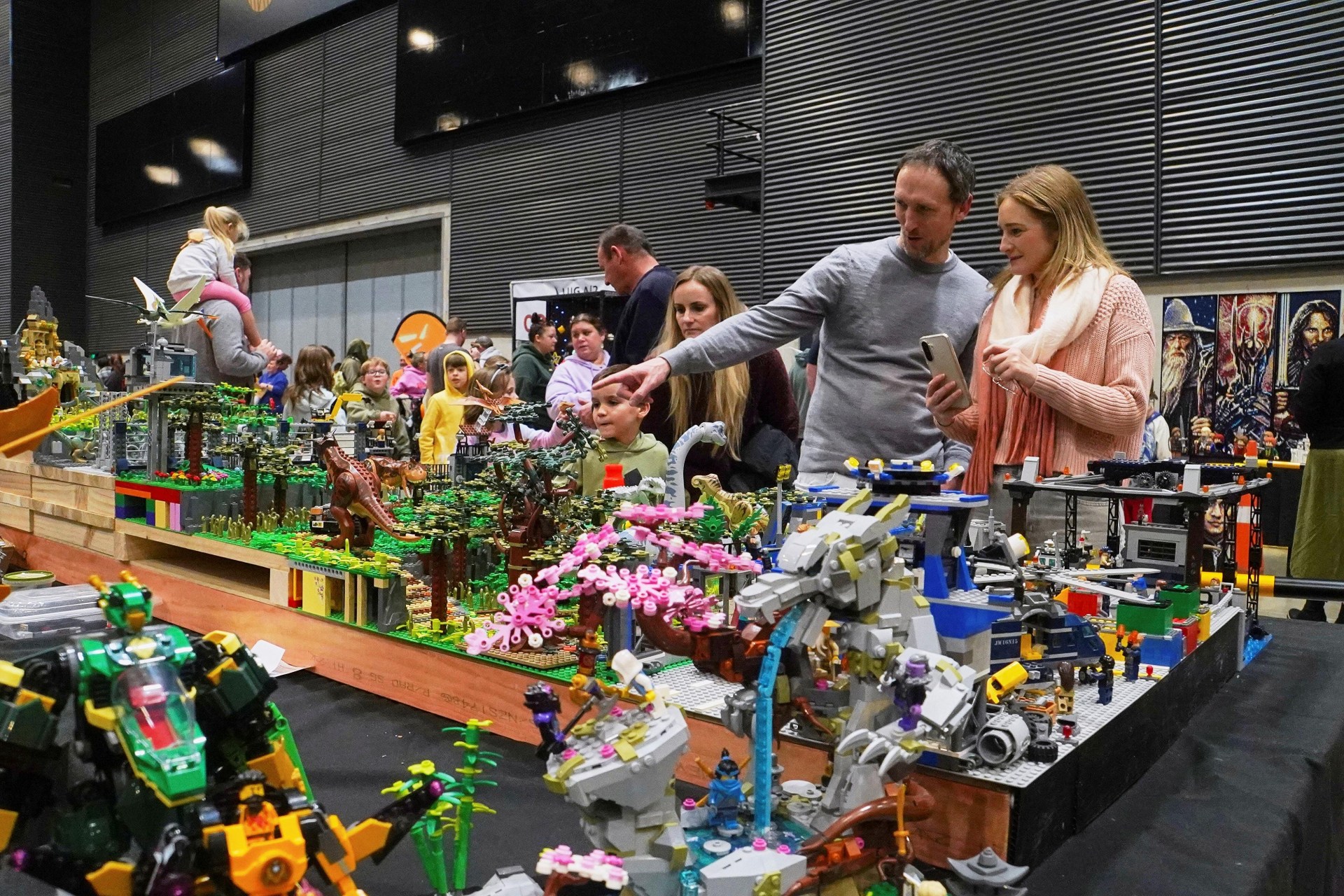
最近,我和一位朋友一起出去逛商店。我们去了常去的一些地方——化妆品店、服装店——但让我朋友眼睛发亮的却是玩具店。那里有从地面到天花板的Labubus和Funko Pops玩具陈列,还有看起来像牛角面包的Jellycats,以及你能想到的所有Hello Kitty产品。
真正吸引我注意的并非玩具的数量之多,而是店里没有孩子。大多是和我们年纪相仿的人,他们也和我朋友一样充满兴奋。从当前玩具市场的状况来看,这一点就很好理解了:预计今年全球玩具市场的价值将超过1300亿美元,而到了今年夏天,没有孩子的美国成年人购买的玩具和游戏比有孩子的家庭还要多。对于那些还不想放下玩具箱的成年人,甚至还有一个专门的称呼:kidults。据国家游戏研究所首席执行官米娅·桑德斯特罗姆所说,我们之所以始终喜爱玩具,是有原因的。“玩耍的冲动实际上在我们的皮下脑区有着生物学上的固有机制,”她对Vox表示。“正因位于皮下脑区,这种玩耍的冲动会贯穿人的一生,这意味着我们永远都不会因为年龄太大而无法玩耍。但我们的社会却严重误解了这一点。我们逐渐在成长过程中剥夺了玩耍的机会,然而那种冲动依然存在。”
那么,玩耍究竟对我们的大脑有何益处?我们又该如何将童年的游戏精神重新融入成年生活?在Vox每周推出的播客节目《给我解释一下》的最新一集中,我们将解答这些问题以及更多相关内容。
以下是我与桑德斯特罗姆对话的节选,经过删减以简化篇幅并提升清晰度。您可以在Apple Podcasts、Spotify或您常用的播客平台上收听完整节目。如果您有疑问,可发送邮件至[email protected]或拨打1-800-618-8545。如今,成年消费者在玩具行业中占据了绝大部分。当我们玩玩具时,成年人的大脑会发生什么变化?
神经可塑性意味着我们的大脑在整个生命周期中都能不断适应。儿童通过玩玩具所获得的一些益处,实际上成年人依然可以享有。
其主要原因在于手与大脑之间的连接,这本质上是一条双向的神经通道。当我们玩玩具时进行精细动作操作,会刺激负责认知功能、情绪调节和注意力集中的大脑区域。这会激活那些在从事被动屏幕活动时完全不会被使用的深层神经网络。
当我们玩玩具时,往往是在做一些从未做过的事情,因为游戏是一个允许实验、冒险和犯错的空间。这实际上会刺激大脑中新的神经通路的形成,从而有助于维护我们的长期认知健康。第二个重要器官是我们的杏仁核,它是大脑中处理情绪的核心区域,在玩耍状态下会处于放松状态。如今,我们很多人一直处于应激反应之中。社交媒体并不能让我们摆脱这种应激状态,反而常常会在我们使用完后让我们感到更加紧张或疲惫。
我确实有过这样的经历。
但玩具则不同。当我们通过玩具进入玩耍状态时,我们的杏仁核实际上会平静下来。杏仁核负责调控我们的应激反应。因此,我们的压力、焦虑以及情绪上的防御机制都会显著降低,从而进入一种恢复状态,而对很多人来说,这种状态在日常生活中是很难达到的。
基于杏仁核的反应特性,玩具能够帮助我们进入这种更为放松的情绪状态。
我们是从什么时候开始被说“年纪太大不适合玩玩具”的?当我们接受这一点时,我们会失去什么?遗憾的是,我觉得很早就有人告诉我们,我们年纪大了,不适合再玩玩具了。具体来说,当我们进入青少年时期,很多游戏时间都被“如果这件事对我的未来职业没有直接帮助,那就不值得花时间”这种观念所取代。
那些用来尝试乐高、收集物品以及其他能激发我们想象力、让我们进入想象与现实之间的世界的自由时间,开始逐渐减少,而且几乎难以察觉。
父母们认为,用有组织的体育活动或有结构的活动来替代孩子的自由游戏时间是在为他们好。不幸的是,这样做的结果是,做某事的内在动力会慢慢被外在动力所取代,而这很快就会导致疲惫不堪。
听起来,当我们不再玩玩具时,优化文化就开始发挥作用了。没错。我们把玩玩具视为额外的活动,视为一种爱好,认为它并没有直接帮助我们实现目标的用途。然而矛盾的是,这其实是我们可以做的最具成效的事情之一。
我喜欢问人们的一个问题是:“当你产生最佳创意时,你在哪里?”最常见的答案是在洗澡时,而第二常见的答案则是他们在玩玩具的时候。你知道为什么没人会回答“我在上午10点坐在办公桌前回复邮件”吗?
创造性的思维在那些间隙时间里蓬勃发展,而那些间隙时间指的正是玩玩具的时光。但除非人们能认识到这一点,否则就很难融入那种忙碌的文化和紧张的日常节奏中。
我们该如何重新学会玩耍呢?第一步是回想我们最早关于游戏的记忆,因为游戏代表着在世俗社会定义我们的身份之前,我们原本的自我。第二步,也是由此衍生出来的,就是了解自己的游戏风格。对某些人来说,拼装乐高积木会带来纯粹的乐趣;而对另一些人而言,那可能是一道谜题,或者是一场桌游之夜,又或是参加体育联赛。
第三步,并不是要给我们增添更多任务。没人有时间做那个。
这真是有趣。我的第一反应是:“我得把‘游戏’列入待办清单。”
而这完全违背了游戏的初衷!
好消息是:每天哪怕只有30秒到5分钟,也能带来改变。你可以把游戏用品和玩具放在家中显眼的位置,这样你就会伸手去拿它们,而不是手机。如果你在日常生活中加入那些短暂的娱乐时刻,稍微打开一扇通往娱乐的大门,你的大脑就会自然而然地享受这种感觉,并开始寻找更多娱乐的机会。只需从很小的行动开始,要知道那样就足够了。
你认为当成年人更加拥抱这种游戏精神时,世界会变成什么样?
世界会变得更加欢乐。当然,世界并非全是阳光与彩虹,娱乐也不会削弱作为人类所面临的种种艰难。娱乐是一种健康的表达方式,有助于人们面对挑战并表达各种情感。
娱乐可以是轻松的,也可以是节奏较缓的,但它体现的是人类对自身本质的尊重,以及与真实自我之间更紧密的联系。当我们与真实自我更加紧密相连时,就更容易与周围的人建立联系,形成有意义的关系。因此,我认为这是一种促进社会繁荣的工具,尤其是在这个科技主导的世界里。
原文
Recently, I was out doing some window shopping with one of my friends. We checked out some of our usual places — a makeup store, a clothing store — but the place where my friend’s eyes really lit up was a toy store. There were floor-to-ceiling displays of Labubus and Funko Pops, Jellycats that looked like croissants, and just about every Hello Kitty product you could imagine.
What really got my attention about the space was not the sheer volume of toys, but the lack of kids. It was mostly people our age, with the same excitement that I saw in my friend. This makes sense when you look at a breakdown of the current toy market: It’s an industry projected to be worth over $130 billion worldwide this year, and as of this summer, American adults with no kids bought more games and toys than households with children. There’s even a name for grownups who aren’t ready to put away the toybox: kidults.
According to Mia Sundstrom, CEO of the National Institute for Play, there’s a reason for our enduring fondness for toys. “The drive to play is actually biologically hardwired into our subcortex,” she told Vox. “Because of that subcortical location, the drive to play actually lasts across the entire lifespan, which means that we’re never too old to play. But our society deeply misunderstands that. We’ve slowly started to take play away as we grow up, and yet that drive is still there.”
So what does play actually do for our brains, and how can we add the playfulness of childhood back into our adult lives? We answer that and more on the latest episode of Explain It to Me, Vox’s weekly call-in podcast.
Below is an excerpt of my conversation with Sundstrom, edited for length and clarity. You can listen to the full episode on Apple Podcasts, Spotify, or wherever you get your podcasts. If you’d like to submit a question, send an email to [email protected] or call 1-800-618-8545.
Adult consumers are making up the lion’s share of the toy industry now. What is happening in our adult brains when we play with toys?
Neuroplasticity means that our brains can adapt across our entire lifespan. Some of the similar benefits that children have with playing with toys, we actually still have as adults.
The primary reason is because of the hand-brain connection, which is essentially a two-way neurological highway. When we do fine motor movement while we’re playing with toys, it stimulates the brain regions that are responsible for our cognitive function, our emotion, and our focus. It activates these deep neural networks that go completely unused when we’re engaging in, say, passive screen time.
When we’re playing with a toy, we’re often doing something we’ve never done before, because play is a space where experimentation and risk-taking and mistakes happen. That is actually stimulating new neural pathways in our brain that support our long-term cognitive health.
The second big one is our amygdala, which is a key part of our emotional processing center in our brain, is relaxed in the state of play. A lot of us live in a stress response right now. Social media doesn’t really take us out of that stress response. It often leaves us feeling more stressed out or drained when we’re done.
I absolutely have experienced that.
But that’s not the case with the toys. When we engage in this play state with toys, our amygdala actually calms down. The amygdala is responsible for our stress response. So our stress, our anxiety, our emotional defensiveness are significantly reduced, and we enter that restorative state, which for a lot of us is really hard to access on the day-to-day.
Toys are a pathway to helping us access that more relaxed emotional state based on the reactivity of our amygdala.
When do we start being told that we’re too old for toys? What do we lose when we accept that?
Sadly, I think we’re being told that we’re too old for toys starting quite early. Specifically, when we hit the teenage years, a lot of play is replaced with, “If this doesn’t have an immediate purpose for my future career, it’s not worth the time.”
That free space to experiment, say, with Lego and even with collections and other things that stimulate our imagination and allow us to enter this world between imagination and reality, starts to slowly dwindle out, almost imperceptibly.
Parents think that they’re doing their children a service by replacing that free play time with structured sports or structured activities. Unfortunately, what happens is, slowly, the intrinsic motivation to do something gets replaced with extrinsic motivation, which very quickly leads to burnout.
It sounds like when we stop playing with toys, that’s when the optimization culture kicks in.
Exactly. We see playing with toys as extra, as a hobby, as something that doesn’t have an immediate purpose toward helping us achieve whatever our goals are. And yet paradoxically, it’s one of the most productive things we can do.
One of the things that I like to ask people is, “Where are you when you get your best ideas?” Now, the shower is the most common answer, but the second most common answer is when they’re playing with toys. You know how no one answers that question? “When I’m at my desk at 10 am answering emails.”
The creative mind flourishes in the space in between, and the space in between is the time that is spent playing with toys. But until people see it like that, it becomes really hard to fit into the hustle culture and the grind of the daily schedule.
How do we relearn how to play?
The first step is to think back on our earliest memories of playing, because play is who we were before the world told us who we have to be. The second, which is a derivative of that, is understanding your own play style. For some people, building a Lego set is going to be totally playful. For other people it’s going to be a puzzle or it’s going to be a game night with a board game or a sports league.
And third, this is not about adding more to our plate. Nobody has time for that.
That’s so funny. My first thought is, “I need to put play on my to-do list.”
And that is totally contradictory to the purpose of play!
Here’s the good news: Even 30 seconds to five minutes a day makes a difference. You can put play objects and toys in visible places around your environment so that you reach for that instead of your phone.
If you just crack the door open a little bit with those micro moments of play in your routine, your brain will automatically enjoy it and start looking for more opportunities to play. Just start really small and know that that’s enough.
What do you think the world looks like when adults embrace that playful spirit more?
The world looks more joyful. This isn’t all sunshine and rainbows, and play doesn’t take away from the hard things that it means to be human. Play is a healthy way to express those challenges and to express the full range of emotions.
Play can look mellow and play can look lower-energy, but what it looks like is humans honoring what it means to be human and feeling more connected with your authentic self. When we’re more connected with our authentic self, we’re more easily able to connect with the people around us and establish meaningful relationships. So I see this as a tool for societal flourishing, specifically in a technologically dominated world.