国际政治
缅甸是首个被认定对种族灭绝负有责任的国家。以下是国际法院在其他案件中的裁决方式。
中文译文
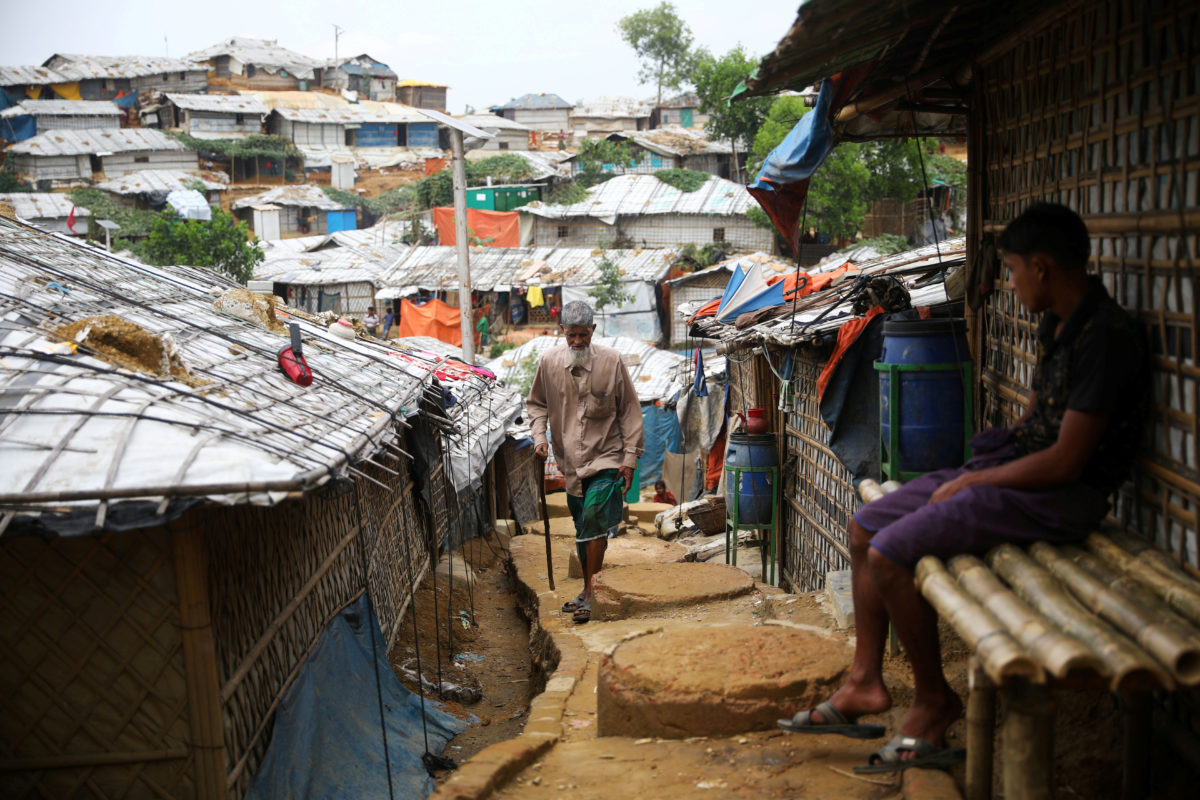
荷兰海牙(美联社)——联合国最高法院首次裁定一个国家犯下了法律学者所称的“最严重的罪行”,认定缅甸在2017年针对罗兴亚少数民族的残酷军事镇压中实施了种族灭绝行为。
此前也曾有人要求国际法院得出此类结论,但该法院始终未能找到足够证据,以认定存在像针对罗兴亚人的那种国家主导的种族灭绝行为。
观看:国际法院裁定缅甸对罗兴亚人实施种族灭绝罪
世界法院还有多起涉及涉嫌违反1948年《种族灭绝公约》的案件待审,其中包括一起与以色列在加沙的行动相关的政治敏感案件。
1. 波斯尼亚-塞尔维亚:斯雷布雷尼察种族灭绝事件
事件经过:斯雷布雷尼察大屠杀是1992年至1995年波斯尼亚战争暴力的顶点。这场战争是在南斯拉夫解体后,该地区民族主义情绪和领土野心激化所引发的。1995年7月11日,塞族人攻占了当时由联合国保护的安全区斯雷布雷尼察。他们将至少8,000名波什尼亚克族男子和男孩与他们的妻子、母亲和姐妹分开,并将他们杀害。那些试图逃跑的人则在镇周围的树林和山间被追捕。
法院的裁决:该法院在部分依据联合国战争罪行法庭的判决基础上,于2007年作出裁决,认定斯雷布雷尼察的屠杀行为构成种族灭绝。然而,法院并未认定塞尔维亚负有责任,但认定塞尔维亚违反了防止种族灭绝的义务。这一义务载于1948年的《种族灭绝公约》中。
2. 克罗地亚与塞尔维亚:对克罗地亚地区的袭击
事件经过:在南斯拉夫混乱解体引发的另一次战争中,塞族军队袭击了邻国克罗地亚的多个地区,导致克罗地亚公民伤亡。克罗地亚指责塞尔维亚控制了1991年至1995年间实施袭击的势力,萨格勒布方面认为这些袭击构成了种族灭绝行为。法院的裁决:在2015年的判决中,法院称其认定存在种族灭绝行为,但表示未能确定存在种族灭绝的意图。根据《种族灭绝公约》,要认定构成种族灭绝,必须存在彻底或部分消灭某一群体的意图。
3. 南非与以色列:加沙冲突
事件经过:2023年10月7日,哈马斯武装分子袭击以色列多个社区,造成约1,200人死亡,约250人被劫持为人质。此后,以色列在加沙发动了毁灭性的军事行动。
观看:联合国最高法院审理南非关于以色列在拉法发动进攻的申诉
据加沙卫生部称,以色列的军事行动已使加沙地带大部分地区遭到破坏,导致超过74,000人死亡,该部门并未区分平民与武装分子。南非指责以色列在军事行动中违反了《灭绝种族公约》,而以色列坚决否认这一指控。在公开听证会上,以色列坚称其在加沙的战争是对本国人民的正当防御,是哈马斯武装分子犯下了灭绝种族罪。
法院的裁决:在2024年的一项临时裁决中,法院要求以色列尽一切努力防止加沙出现死亡、破坏以及任何灭绝种族行为。以色列总理本雅明·内塔尼亚胡称,法院愿意讨论灭绝种族指控这一事实是“一个将世代无法抹去的耻辱”。
目前尚未对该案的实质内容作出裁决,而且在未来数年内也不会有裁决。以色列有直到2029年5月的时间提交书面意见,只有之后法院才能安排公开听证会。最终裁决可能要在听证会数月或数年后才会下达。牛津大学国际法与武力使用问题专家贾尼娜·迪尔教授在一份声明中表示,缅甸案的裁决“很好地展示了国际法院在处理其他尚未审结的种族灭绝案件中所面临的一些关键问题时的处理方式,其中包括备受争议的南非诉以色列案”。
她指出,缅甸种族灭绝案中9比6的多数意见以及法官们提出的若干独立意见和反对意见“凸显出相关理论上的复杂性依然存在”。
4. 乌克兰-俄罗斯:莫斯科对乌克兰的战争
事件经过:俄罗斯在早先非法吞并克里米亚半岛后,于2022年2月入侵乌克兰。
入侵发生后不久,乌克兰提起诉讼,指控俄罗斯编造针对乌克兰的种族灭绝指控以作为发动攻击的借口。基辅方面认为,这些指控违反了《种族灭绝公约》。法院的裁决:法院已经驳回了该案的大部分内容。法官们表示,他们有权对乌克兰要求宣布基辅无需为种族灭绝行为负责这一请求作出裁决,但对案件的其他方面则无权裁决。与南非-以色列案类似,此案仍处于诉讼初期,预计数年内都不会就有无事实依据的问题作出最终决定。
原文
THE HAGUE, Netherlands (AP) — The United Nations' top court has for the first time ruled that a nation committed what legal scholars call the crime of crimes, finding that Myanmar committed genocide in a brutal 2017 military crackdown against the Rohingya minority.
The International Court of Justice has been asked to reach that conclusion before, but never found enough evidence to make the determination of a state-sponsored genocide like the one targeting the Rohingya.
WATCH: International Court of Justice finds Myanmar guilty of genocide against Rohingya
The World Court has more cases on its docket dealing with alleged breaches of the 1948 Genocide Convention, including a politically charged case about Israel's actions in Gaza.
1. Bosnia-Serbia: The Srebrenica genocide
What happened: The Srebrenica massacre was a peak in the violence of Bosnia's 1992-95 war, which came after the breakup of Yugoslavia unleashed nationalist passions and territorial ambitions across the region.
On July 11, 1995, Serbs overran Srebrenica, at the time a U.N.-protected safe area. They separated at least 8,000 Bosniak men and boys from their wives, mothers and sisters and slaughtered them. Those who tried to escape were chased through the woods and over the mountains around town.
How the court ruled: The court, basing itself in part on verdicts at a United Nations war crimes tribunal, said in a 2007 ruling that the Srebrenica killings amounted to genocide. However, it did not find Serbia responsible. It did find Serbia had violated its obligation to prevent genocide. That obligation is enshrined in the 1948 Genocide Convention.
2. Croatia-Serbia: Attacks on Croatian regions
What happened: In another war that erupted out of the messy breakup of Yugoslavia, Serb forces attacked several regions of neighboring Croatia, killing and wounding Croat citizens. Croatia accused Serbia of controlling forces responsible for attacks from 1991-95 that Zagreb said amounted to genocide.
How the court ruled: In a 2015 decision, the court said that it found genocidal acts, but it said it did not establish genocidal intent. Under the Genocide Convention, intent to destroy a group, in whole or in part, is necessary for a finding of genocide.
3. South Africa-Israel: The Gaza conflict
What happened: Israel launched a devastating military campaign in Gaza following Hamas' Oct. 7, 2023, attack, when militants stormed through Israeli communities, killing some 1,200 people and taking around 250 people hostage.
WATCH: UN's highest court hears request from South Africa on Israel's offensive in Rafah
The Israeli campaign has laid waste to much of the Gaza Strip and killed more than 74,000 people, according to Gaza's health ministry, which does not distinguish between civilians and militants.
South Africa has accused Israel of breaching the genocide convention during its offensive, a claim Israel vehemently denies. At public hearings, Israel insisted that its war in Gaza was a legitimate defense of its people and that it was Hamas militants who were guilty of genocide.
How the court ruled: In a 2024 interim ruling, the court ordered Israel to do all it can to prevent death, destruction and any acts of genocide in Gaza. Israeli Prime Minister Benjamin Netanyahu said the fact that the court was willing to discuss the genocide charges was a "mark of shame that will not be erased for generations."
There has been no ruling yet on the merits of the case and won't be for years. Israel has until May 2029 to file written arguments and only then can the court schedule public hearings. A final ruling could only come months or years after hearings.
Professor Janina Dill, an Oxford University expert on international law and the use of force, said in a statement that the Myanmar ruling "is very instructive of how the Court approaches some of the crucial questions that it faces in other pending genocide cases, including the polarising case of South Africa versus Israel."
She said the 9-6 majority in the Myanmar genocide and a number of separate and dissenting opinions from judges "highlight the lingering doctrinal complexities."
4. Ukraine-Russia: Moscow's war on Ukraine
What happened: Russia invaded Ukraine in February 2022, after earlier illegally annexing the Crimea peninsula.
Shortly after the invasion, Ukraine filed a case accusing Russia of fabricating genocide claims against Ukraine to justify the attack. Kyiv argues that those claims amount to a breach of the Genocide Convention.
How the court ruled: The court has already thrown out much of the case. Judges said they have jurisdiction to rule on a request by Ukraine for a declaration that Kyiv is not responsible for genocide, but not on other aspects of the case. Like the South Africa-Israel case, this is at an early stage of proceedings and no final decision on the merits is expected for years.