科技
中国研发用于雨林保护的高科技监测系统
中文译文
根据周四发布的一份报告,中国正在构建一套集卫星遥感、无人机及其他技术于一体的空地天监测系统,以加强中国海南省热带雨林的生物多样性保护及风险防范工作。
这份名为《雨林中回荡的壮歌:中国热带雨林保护的“海南模式”》的报告指出,技术正在推动雨林保护从定期巡查转变为持续监测。
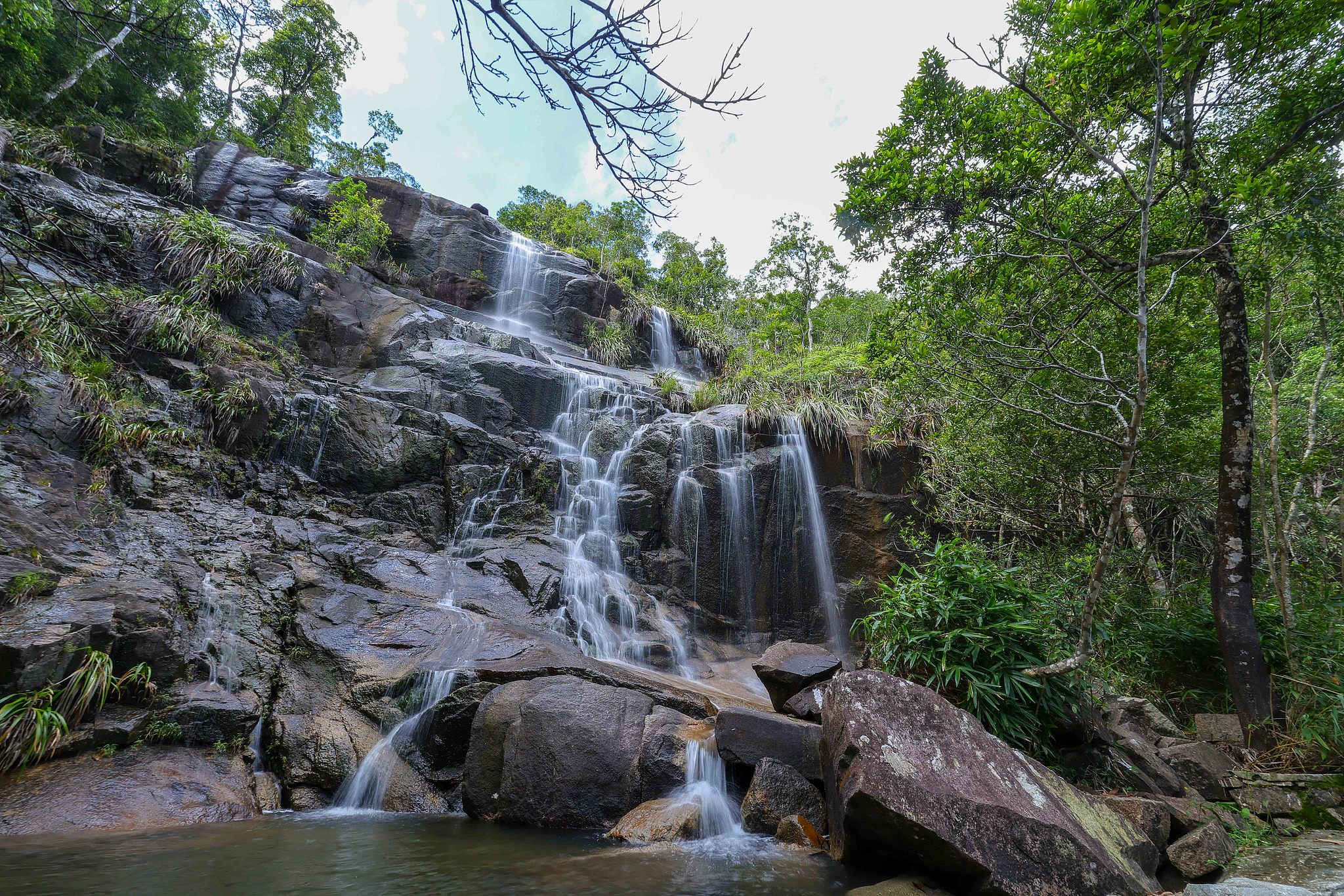
海南热带雨林国家公园成立于2021年,面积达4,269平方公里。截至2026年9月,这里已有4,367种高等植物和651种脊椎动物栖息。
由于公园面积广阔、地形复杂且保护目标众多,仅靠人工巡逻难以全面、及时地发现生态变化,这凸显了加强监测的必要性。为应对这些挑战,该公园越来越多地依靠技术手段。报告指出,卫星遥感可捕捉大规模的生态变化,无人机可在关键区域进行巡查,而地面设备则能持续收集有关野生动物活动及森林火灾的信息。
红外相机、声学监测以及对关键植物的调查,能为了解物种分布、种群变化及栖息地状况提供更多线索。通过整合和分析来自多种渠道的数据,该公园能够更准确地识别生态变化,预判风险,并做出明智的保护决策。
这些技术进步是海南加强生物多样性保护及热带雨林保护工作的一部分。通过持续的保护努力,作为森林旗舰物种的海南长臂猿的数量从曾经仅有的7到9只,到2025年底已增至44只,分为7个群体。近年来,研究人员还在这片雨林中发现了91种新的动植物物种。
原文
China is developing an integrated space-air-ground monitoring system using satellite remote sensing, drones and other technologies to strengthen biodiversity conservation and risk prevention in the tropical rainforest of south China's Hainan Province, according to a report released on Thursday.
The report, titled A Great Song Resounds in the Rainforest: The "Hainan Model" of China's Tropical Rainforest Conservation, highlights how technology is transforming rainforest protection from periodic inspections to continuous perception.
Established in 2021, the Hainan Tropical Rainforest National Park covers 4,269 square kilometers and is home to 4,367 species of higher plants and 651 species of vertebrates as of September 2026.
The park's vast area, complex terrain and numerous conservation targets make it difficult for manual patrols alone to comprehensively and promptly detect ecological changes, underscoring the need for more extensive monitoring.
To address these challenges, the park is increasingly turning to technology. Satellite remote sensing captures large-scale ecological changes, drones conduct inspections in key areas, and ground-based equipment continuously collects information on wildlife activity and forest fires, the report noted.
Infrared cameras, acoustic monitoring and surveys of key plants provide further insights into species distribution, population changes and habitat conditions. By aggregating and analyzing data from multiple sources, the park can better identify ecological changes, anticipate risks and make informed conservation decisions.
These technological advances form part of Hainan's broader efforts to strengthen biodiversity conservation and rainforest protection.
Sustained conservation efforts have helped the Hainan gibbon, a flagship species of the forest, recover from a population that once dwindled to between seven and nine individuals to 44 individuals in seven groups by the end of 2025. Researchers have also discovered 91 new plant and animal species in the rainforest in recent years.