财经市场
披萨连锁店正面临压力。GLP-1的使用只是问题的一部分。
中文译文
由于消费者支出减弱、餐饮选择增多以及GLP-1类药物的普及,大型披萨连锁店的销售面临压力。
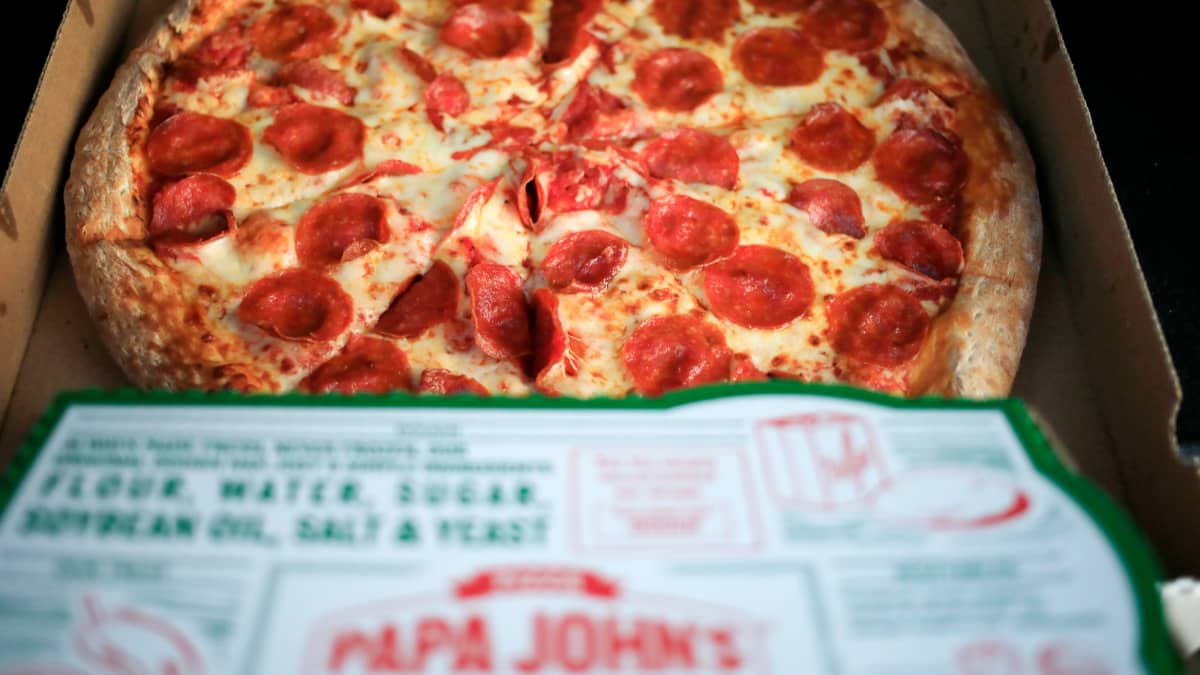
在疫情期间,多米诺披萨、帕帕约翰斯、小凯撒披萨和必胜客都迎来了发展高峰。但自从餐厅重新开放后,美国最大的披萨连锁店在留住顾客方面陷入了困境。
如今,消费者会谨慎对待非必需品的支出,而借助第三方平台的便利,他们在决定点餐时也有更多外卖和送餐选择。此外,对于那些希望从餐厅获得物超所值体验的食客来说,食品质量和用餐体验也变得越来越重要。由于人们对披萨的兴趣减退以及整个餐饮行业面临的种种挑战,美国境内的披萨店数量大幅下降。根据Datassential的数据,2019年8月全美披萨店数量达到83,035家的峰值,而截至2026年7月,已有超过9,600家披萨店关闭。
根据Technomic的数据,2025年美国披萨店的销售额下降了0.3%。独立经营的披萨店销售额则下降了0.4%。占国内披萨行业销售额约三分之二的连锁店,其营收也下降了0.3%。
Papa Johns称,2025年其在北美的同店销售额下降了2.5%。Pizza Hut在美国的同店销售额则下降了5%。在去年仍公开上市的三大披萨连锁品牌中,只有Domino's的美国门店同店销售额实现了增长,增幅为3%。并非只有快餐店顾客对披萨失去了兴趣。自2020年3月以来,Papa Johns的股价已下跌了约三分之二。即便在同类业务中占据主导地位的Domino's,其股价在同一时期也仅上涨了约2%。相比之下,标准普尔500指数在同一时期的涨幅约为150%。
此外,Yum Brands今年出售了Pizza Hut,将在近20年销售业绩停滞后,将这一表现不佳的业务板块转手给LongRange Capital和Yum China。
“Pizza Hut一直是YUM的负担……未来,YUM不会再受到披萨行业竞争因素(如折扣等)的拖累,从而实现更强劲的增长,并进一步聚焦于那些增长速度更快的行业领域和市场,”富国银行分析师Zachary Fadem在9月的一份研究报告中写道。
披萨行业面临的挑战如今,比萨连锁店在争夺顾客消费金额方面所面临的竞争比2020年更为激烈。在疫情期间日益流行的第三方送餐平台提供了除传统比萨和中餐之外的多种美食选择。因此,达美乐和帕帕约翰斯不得不与麦当劳和奇克菲尔A等其他快餐连锁店竞争DoorDash和Uber Eats上的订单。
随着比萨价格不断上涨,对于注重预算的顾客来说,比萨的吸引力似乎有所下降。根据行业杂志PMQ Pizza发布的2026年比萨行业报告,目前一份大型奶酪比萨的平均价格接近17美元。
此外,冷冻比萨也是一种价格更低且方便的选择。根据尼尔森IQ的数据,在截至11月7日的52周内,单份及多份装冷冻比萨的零售销量较2022年同期增长了2.9%。“当美国消费者只关注最便宜的餐饮选择时,我储藏室、冰箱和冰柜里的食品总能胜出,”Circana的食品及餐饮服务行业顾问大卫·波塔拉廷说道。
像Casey's General Stores这样的便利店也凭借低价的披萨赢得了顾客的青睐。
美国银行证券公司的分析师萨拉·塞纳托雷在6月发布的研究报告中写道:“我们认为,与那些在持续通胀环境下选择较少的快餐店和一元店相比,Casey's具有优势,因为它可以通过利润空间来抵消食品成本上升的压力。”
她还指出,两家店的营业地点存在地理重叠,这意味着Casey's正在抢走Pizza Hut的客源。最大的披萨连锁店在适应消费者对营养需求的转变方面也行动迟缓。例如,在四大连锁店中,只有Papa Johns尝试过添加蛋白质的披萨饼底,因为越来越多的食客在饮食中更注重蛋白质的摄入。而这项测试仅在亚特兰大的一家餐厅进行,且只持续了一天。
从更广泛的角度来看,披萨的营养成分也是该行业发展的障碍。其面团和奶酪所含的碳水化合物和脂肪,可能会让那些正在使用GLP-1药物的消费者对其失去兴趣,而这类药物的使用率在近几年里急剧上升。
根据普华永道2026年发布的一项调查,使用GLP-1药物6到8个月后,每个家庭在披萨快餐店上的支出下降了22.2%。
当然,披萨近期面临的困境并不意味着整个行业的生存危机。Circana的Portalatin表示,今年的披萨总消费量仅下降了约1%。各连锁品牌正在努力扭转份量下降的趋势。8月,达美乐推出了“达美乐个人版披萨”,这是一种可定制的底特律风格个人披萨,旨在吸引独自用餐的顾客。11月,帕帕约翰斯公布了一项新的转型计划,重点在于提升食品品质和餐厅运营效率。而必胜客则推出了以节日为主题的套餐。
“披萨不会消失,”波塔拉廷说,“美国消费者喜爱披萨。”
原文
Big pizza chains are struggling as weaker consumer spending, a wider variety of dining options and the rise of GLP-1 medications weigh on their sales.
The pandemic was a boom time for Domino's Pizza, Papa Johns, Little Caesars and Pizza Hut. But since dining rooms reopened, the biggest U.S. pizza chains have faced an uphill battle to retain their customers.
These days, consumers are watching their discretionary spending but have more delivery and takeout options when they do decide to order, thanks to the accessibility of third-party platforms. Plus, food quality and the customer experience have become more important to diners who are looking for value when they order from restaurants.
As a result of pizza fatigue and challenges facing the broader restaurant industry, the number of U.S. pizza restaurants has tumbled. Since pizza locations hit a peak of 83,035 nationwide in August 2019, more than 9,600 pizzerias had closed their doors as of July 2026, according to data from Datassential.
In 2025, sales at U.S. pizza restaurants fell 0.3%, according to Technomic data. Sales at independent pizzerias slipped 0.4%. Chains, which account for about two-thirds of the domestic pizza category sales, saw revenue shrink 0.3%.
Papa Johns reported that North American same-store sales declined 2.5% in 2025. Pizza Hut's U.S. same-store sales fell 5%. Among the three pizza chains that were publicly traded last year, only Domino's posted annual same-store sales growth at its U.S. restaurants, with an increase of 3%.
It isn't just diners who have lost their appetite for pizza. Since March 2020, Papa Johns stock has lost about two-thirds of its value. Even shares of Domino's, which dominates the category, have seen gains of only about 2% in that time. For comparison, the S&P 500 has climbed about 150% over the same period.
And Yum Brands sold Pizza Hut this year, offloading the laggard of its portfolio to LongRange Capital and Yum China after about two decades of stagnating sales.
"Pizza Hut has been a detractor for YUM ... Going forward, YUM won't be tripped up by pizza category dynamics (discounting, etc.), translating to stronger growth and higher concentration in higher growth industry segments and markets," Wells Fargo analyst Zachary Fadem wrote in a research note in September.
Pizza's challenges
Pizza chains now have significantly more competition for diners' dollars than they did in 2020. Third-party delivery platforms, which grew in popularity during the pandemic, offer a wide variety of cuisines beyond the traditional pizza and Chinese. As a result, Domino's and Papa John's have to compete with other fast-food chains, like McDonald's and Chick-fil-A, for DoorDash and Uber Eats orders.
As pizza has grown more expensive, a pie seems less appealing to budget-conscious diners. The average large cheese pizza is now almost $17, according to the 2026 Pizza Power Report from PMQ Pizza, a trade publication.
Plus, frozen pizza is another convenient option, with a lower price tag. Retail sales of single- and multi-serve frozen pizza rose 2.9% in the 52 weeks ended Nov. 7 compared with the same period in 2022, according to NielsenIQ data.
"When the American consumer is focused on the least expensive eating occasion, the items that are in my pantry, my refrigerator and my freezer win every single time," said David Portalatin, a food and food service industry advisor for Circana.
Convenience stores like Casey's General Stores have also won over customers with pizza at a low price point.
"We believe that [Casey's] has an advantage over [quick-service restaurants] and dollar stores, which have fewer options to navigate the persistent inflationary environment, while [Casey's] can offset food pressures with margins," Bank of America Securities analyst Sara Senatore wrote in a research note published in June.
She added that geographic overlap of locations suggests that Casey's is stealing share from Pizza Hut.
The biggest pizza chains have also been slow to adapt to shifting consumer attitudes toward nutrition. For example, of the four biggest chains, Papa Johns is the only one to even test a pizza crust with added protein as more diners prioritize it in their diets. And the test was only in one Atlanta restaurant — for a single day.
Pizza's nutritional content more broadly is another drag for the category. Its carbohydrate and fat content, from its dough and cheese, respectively, can make it less appealing for consumers on GLP-1 drugs, which have skyrocketed in use over the last several years.
Spending on pizza quick-service restaurants has fallen 22.2% per GLP-1 household after six to eight months using the medications, according to a 2026 survey published by PwC.
To be sure, pizza's recent struggles do not mean an existential crisis for the category. Total pizza servings are down only about 1% this year, Circana's Portalatin said.
And chains are trying to reverse that downturn in servings. In August, Domino's launched the Domino, a customizable Detroit-style personal pizza to attract solo diners. In November, Papa Johns unveiled a new turnaround plan focusing on improving food consistency and restaurant operations. And Pizza Hut is running a holiday-themed meal deal.
"Pizza's not going anywhere," Portalatin said. "The American consumer loves pizza."