科技
亚洲已知最古老的岩石在中国北方被发现
中文译文
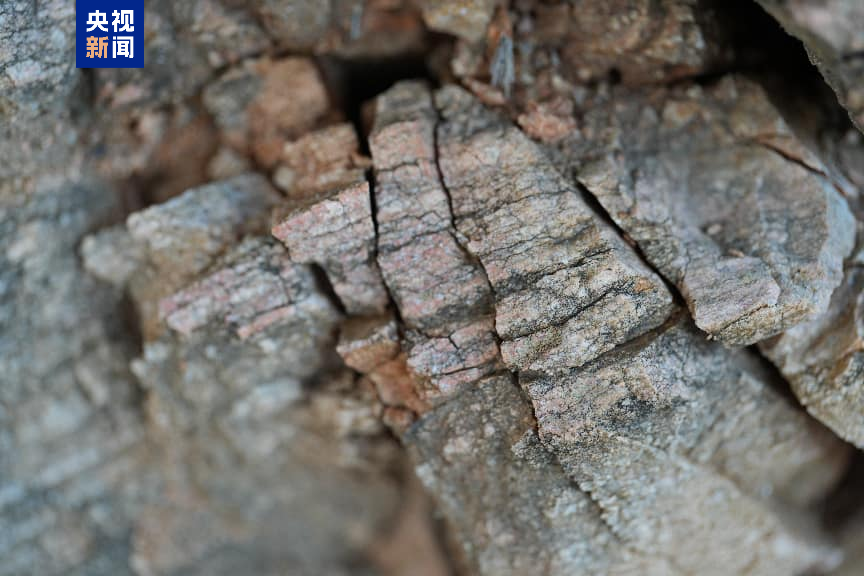
中国地质调查局周五宣布,中国地质学家发现了距今39.5亿年的岩石,这是亚洲已知最古老的岩石,为了解地球早期演化提供了重要证据。
这一发现是由中国地质科学院的研究员万玉生领导的团队做出的。地球形成于约45亿年前,但其形成后的最初几亿年的地质记录极难保存,来自地球“童年”时期的样本也非常罕见。
这些岩石发现于河北省东部,经测定其年龄为39.5亿年。这一发现表明,39.5亿年前地球可能曾发生过某种与俯冲作用相关的地质活动,同时也为哈德纪时期地幔已出现耗竭现象提供了直接证据。
此前,世界上已知最古老的岩石是加拿大的阿卡斯塔片麻岩,年龄约为40亿年。这意味着这一新发现将这一纪录与现有纪录的差距缩小到了5000万年,同时也是亚洲首次发现此类岩石。
相关研究结果已发表在《自然》杂志上。
原文
Chinese geologists have discovered rocks dating back 3.95 billion years, the oldest known in Asia, providing key evidence for understanding the early evolution of the Earth, the China Geological Survey announced on Friday.
The discovery was made by a team led by Wan Yusheng, a researcher with the Chinese Academy of Geological Sciences.
Earth formed about 4.5 billion years ago, but geological records from its first few hundred million years are extremely difficult to preserve, and samples from Earth's "childhood" period are very rare.
Found in the eastern part of Hebei Province, the rocks were dated at 3.95 billion years.
The discovery indicates that some form of subduction-related tectonic activity may have occurred on Earth 3.95 billion years ago, and provides direct evidence that the mantle had already become depleted during the Hadean Eon.
Previously, the world's oldest recognized rocks were the Acasta Gneiss in Canada, about 4 billion years old, meaning the new discovery narrows the gap with the world record to just 50 million years and is the first such discovery in Asia.
The findings have been published in the journal Nature.