财经市场
在全球供应冲击背景下,澳大利亚被敦促减少对进口化石燃料的依赖。
中文译文
根据一份呼吁政府减少对进口化石燃料依赖的最新报告,限制对大型企业的高额柴油补贴、建设新的“清洁”炼油厂,并将电动汽车补贴定向提供给较贫困人群,这些措施每年可为澳大利亚人节省数千美元的燃油开支。
该国最受尊敬的智库之一格拉坦研究所警告称,澳大利亚的燃油进口量过高,该国必须为更多全球性供应冲击做好准备——比如伊朗战争引发的冲击。在一项已引发企业团体批评的计划中,格拉坦研究所建议减少对矿业和初级产业领域的柴油补贴,转而为电动卡车提供激励措施,并大幅扩展电动汽车充电网络。周日发布的报告警告称:“在国际关系缓和、战略伙伴可靠的时期,依赖燃料进口是一种尚可接受的策略。但在一个更加危险且难以预测的世界里,这种策略已不再可行。”
“澳大利亚应预计未来几十年的局势将比过去更加不稳定。这意味着必须做好应对更多石油危机的准备。”
澳大利亚97%的液体燃料依赖进口。格拉坦研究所发布的《为未来提供燃料》报告指出,这种情况“使我们极易遭受供应中断和价格飙升的影响”。
该报告认为,美国与以色列在伊朗的战争推高了通货膨胀,给澳大利亚造成了近180亿澳元的损失,其中联邦政府直接损失至少30亿澳元。政府应抓住这一机会提升燃料安全水平。澳大利亚生产的液态燃料及其精炼量极少,仅有两家国内石油精炼厂。但格拉坦认为,澳大利亚不应增加这类精炼厂的数量,而应通过转向电动汽车来降低对进口燃料及化石燃料的依赖,具体目标是在2050年前让全国拥有65万辆电动卡车。
格拉坦预计,仅这一举措就能使澳大利亚的柴油使用量每年减少50亿升。该报告还建议,对每年给澳大利亚带来数十亿美元开支的燃料税收抵免计划,应将其对每个企业集团的年度补贴上限设定为3500万美元。
这一计划的主要受益者是矿业领域,它为在私人道路而非公共道路上行驶的机械和重型车辆提供燃料税收返还。燃料税收抵免计划已成为一个政治敏感问题,一方面有大型企业呼吁保留该计划,另一方面也有声音要求对其加以限制。
澳大利亚矿业委员会首席执行官塔妮娅·康斯特布尔拒绝了格拉坦的提议。“澳大利亚确实需要更强的燃料安全保障,但提高地区工业用柴油的价格并不能多生产一升燃料,也无法建造新的炼油厂或提升供应链的韧性。相反,这会增加矿工、农民、货运运营商以及地区企业的成本,而这些成本最终会转嫁给澳大利亚的家庭,”她说道。
“如果目标是提升能源安全,那么澳大利亚应该致力于增加国内生产、扩大炼油能力以及构建更具韧性的供应链——而非提高关键燃料的价格。”
不过,格拉坦研究所的报告称,对这一计划设置上限每年可为政府节省30亿澳元,并加速矿业领域的电气化进程——该报告认为这从长远来看有利于矿业发展。该报告还建议政府投资11亿美元建立全国性的电动汽车充电网络,并提供24亿美元的资金作为优惠券,帮助货运公司购买电动卡车。报告要求提高联邦车辆标准,以鼓励人们购买更环保的汽车,同时建议重新调整电动汽车补贴政策,“将补贴重点放在那些最无力承担费用的人群身上”。
由于政府正在寻求削减预算,预计工党将在下个月的中期经济报告中限制现有的电动汽车补贴。
在燃料使用方面,格拉坦指出澳大利亚目前没有生产“清洁”航空燃料,因此建议政府投入60亿美元用于建设首批所谓的“清洁炼油厂”以生产这种燃料。
格拉坦表示,到2050年,这些炼油厂每年可生产近100亿升的清洁航空燃料,但他也指出,建造所有这些炼油厂可能需要1000亿美元,而进口清洁航空燃料的成本则更低。但该报告指出,仅通过将针对矿业公司的燃料税抵免限制两年就能节省60亿美元,这一金额足以覆盖前五家炼油厂建设成本的四分之一,从而推动该行业发展,并在未来的供应冲击中保障燃料供应。
“从历史上看,制造燃料意味着生产化石燃料。但在电气化和清洁燃料的时代,澳大利亚现在有了更多选择,”报告称。
原文
Capping lucrative diesel tax handouts to big business, building new “clean” refineries and targeting electric vehicle subsidies to less wealthy people could save Australians thousands of dollars in fuel per year, according to a major new report calling on the government to reduce reliance on imported fossil fuels.
The Grattan Institute, one of the nation’s most respected thinktanks, has warned Australia imports too much of its fuel, and that the country must brace for more global supply shocks – like that from the war in Iran. Under a plan already attracting criticism from business groups, Grattan urged diesel handouts to mining and primary industries be curbed in favour of incentives for electric trucks and a huge expansion of the EV charging network.
“Relying on fuel imports during an era of benign international relations and dependable strategic partners was a passable strategy. But in a more dangerous and unpredictable world, it is no longer tenable,” the report, released on Sunday, warned.
“Australia should expect the coming decades to be less stable than the past one. This means bracing, and preparing, for more oil shocks.”
Australia imports 97% of its liquid fuel. Grattan’s fuel plan report, Fuelling the Future, warns this “leaves us dangerously exposed to supply disruptions and price hikes”.
It argues that the US-Israel war in Iran has driven up inflation and cost Australians nearly $18bn, and the federal government directly at least $3bn, creating an opportunity the government “should seize” to boost fuel security.
Very little liquid fuel is produced or refined in Australia, with only two domestic oil refineries. But rather than boosting that number, Grattan says Australia should lower its reliance on imported fuels and fossil fuels generally by shifting towards EVs, including an ambitious target of 650,000 electric trucks nationwide by 2050.
That alone would cut Australia’s diesel use by 5bn litres a year, Grattan forecast. The report also calls for the fuel tax credit program – which costs Australia billions each year – to be capped at $35m per corporate group annually.
The biggest user of that program – which refunds taxes on fuel for machinery and heavy vehicles travelling on private, rather than public, roads – is the mining sector. The fuel tax credit scheme has become a political hot-button issue, with big business campaigning for it to be preserved amid calls for it to be reined in.
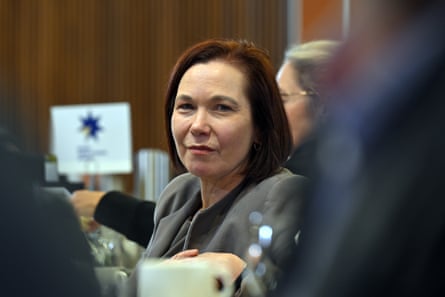
Tania Constable, CEO of the Minerals Council of Australia, rejected the Grattan proposal.
“Australia does need stronger fuel security, but making diesel more expensive for regional industries won’t create a single extra litre of fuel, build a refinery or improve supply-chain resilience. Instead, it would increase costs for miners, farmers, freight operators and regional businesses, with those costs ultimately flowing through to Australian households,” she said.
“If the goal is greater energy security, then Australia should be focused on increasing domestic production, expanding refining capacity and building more resilient supply chains – not making essential fuel more expensive.”
But the Grattan report says capping the scheme would save the government $3bn annually, and hasten the electrification of the mining sector – which it said would help the mining sector in the long run.
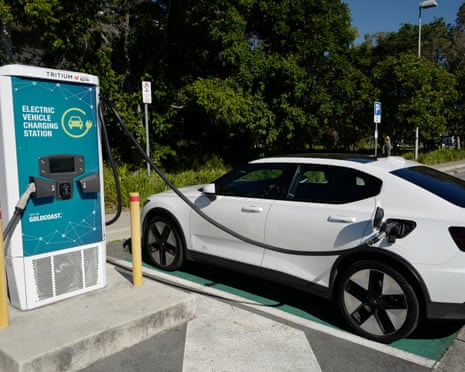
The report also recommends the government invest $1.1bn in a national network of chargers for EVs, as well as provide $2.4bn in vouchers for trucking firms to buy electric trucks. It calls for federal vehicle standards to be boosted to incentivise cleaner cars, as well as a restructuring of EV subsidies “to target people least able to afford them”.
Labor is widely expected to restrict current EV subsidies in next month’s mid-year economic update, as the government searches for budget savings.
In other areas of fuel use, Grattan notes Australia produces no “clean” jet fuel, and recommends the government direct $6bn to the first generation of so-called “clean refineries” to make that fuel.
Grattan says these refineries could provide nearly 10bn litres of clean jet fuel per year by 2050, but notes that it could cost $100bn to build them all, and that importing clean jet fuel would be cheaper.
But it argues that $6bn – the savings generated from just two years of capping the fuel tax credits to mining companies – would cover a quarter of the cost of the first five refineries, kickstarting the sector and providing fuel security in future supply shocks.
“Historically, making fuel meant making fossil fuels. But in an age of electrification and clean fuels, Australia now has more options,” the report said.