财经市场
在收益前景存疑之际,电信行业加大人工智能投资力度
中文译文
各大电信公司正在加大对人工智能数据中心业务的投入,以提高资本支出,但随着建设及运营成本的上升,人们仍对其能否收回这些不断增加的投资存在疑问。
根据这些公司周五提交的监管文件,SK Telecom、KT和LG Uplus在今年前九个月的资本支出总计为3.68万亿韩元(27.5亿美元),较去年同期增长13.7%。
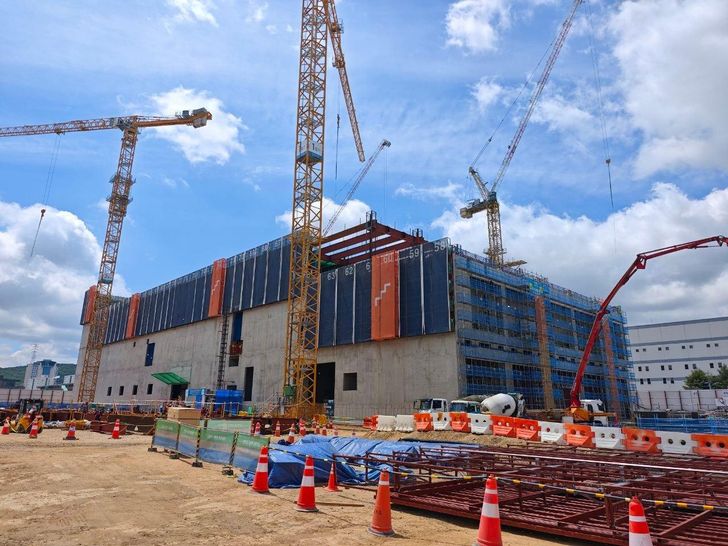
其中LG Uplus的增幅最大,其第三季度的单独资本支出达到5698亿韩元,同比增长30.1%。这一增长主要得益于其在京畿道坡州市的人工智能数据中心项目投资。该公司正在该市建设一座200兆瓦规模的设施,计划有四座建筑在2028年前投入运营。其中第一座50兆瓦规模的建筑预计将于明年6月完工,该公司称已为这四座建筑都锁定了客户需求。
KT及其子公司的累计资本支出达到1.599万亿韩元,同比增长20.3%。该公司计划在未来五年内总共投资6万亿韩元用于人工智能转型基础设施,并在2031年前将其数据中心容量提升1兆瓦以上。
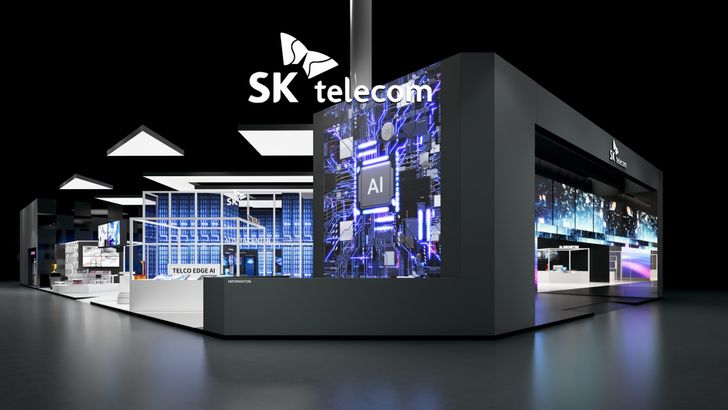
SK Telecom及其新成立的AI数据中心业务单元SK Hyper的累计资本支出为1.234万亿韩元,同比增长3%。不过,如果不包括SK Hyper,其资本支出则有所下降,这反映出该公司希望引入外部投资者来分担大规模数据中心建设所带来的财务负担的策略。在电信公司寻求除移动业务之外的新增长动力之际,人工智能投资也日益增加。随着各公司采用生成式人工智能并扩大对人工智能推理服务的应用,对计算能力和数据存储的需求也在上升。
不过,行业官员表示,电信业务和人工智能数据中心业务具有不同的收入结构。
“电信运营商通过庞大的用户群体获得收入,而数据中心投资的回报则因各设施吸引客户的能力、利用率以及合同条款的不同而有很大差异,”一位行业官员说道。
数据中心需要在土地、建设、电力基础设施和冷却系统方面投入大量资金,而在设施开始运营后,仍需承担折旧、电力费用和维护成本。尤其值得关注的是图形处理单元(GPU)的折旧成本。美国的大型互联网企业通常在财务报表中将GPU的折旧周期定为五年,但这一做法是否合理仍存在疑问,因为像英伟达这样的AI加速器制造商几乎每年都会推出新产品。
这意味着现有GPU能够处理最先进的AI工作负载的时间,可能会远远短于其会计上的折旧周期,从而缩短企业获得投资足够回报的时间。
在最近的财报电话会议上,SK电信表示“一定程度的投资增加是不可避免的”,同时强调计划通过外部资金为AIDC的发展提供大部分资金支持。在设施投入运营之前留住客户并保持较高的利用率,对于收回投资成本至关重要。长期合同能够带来更可预测的收益,但盈利能力还取决于电价、运营成本以及设备部署的时间。
原文
Major telecom companies are increasing capital expenditures as they expand into artificial intelligence (AI) data center businesses, with questions remaining over their ability to recoup the growing investments as construction and operating costs mount.
According to the companies' regulatory filings on Friday, SK Telecom, KT and LG Uplus spent a total of 3.68 trillion won ($2.75 billion) on capital expenditure in the first nine months of this year, up 13.7 percent from a year earlier.
LG Uplus posted the biggest increase, with capital expenditure on a standalone basis reaching 569.8 billion won in the third quarter, up 30.1 percent year-on-year. The increase was largely driven by investment in its AI data center project in Paju, Gyeonggi Province.
The company is building a 200-megawatt-scale facility in the city, with four buildings scheduled to begin operations by 2028. Its first 50-megawatt building is expected to be completed by next June, while the company says it has secured customer demand for all four buildings.
KT's cumulative capital expenditure, including major affiliates, reached 1.599 trillion won, up 20.3 percent. The company plans to invest a total of 6 trillion won in AI transformation infrastructure over the next five years and expand its data center capacity by more than 1 gigawatt by 2031.
SK Telecom's cumulative capital expenditure, including its new AI data center unit SK Hyper, totaled 1.234 trillion won, up 3 percent. However, excluding SK Hyper, spending declined, reflecting the company's strategy of bringing in external investors to share the financial burden of large-scale data center development.
The AI investment push comes as telecom companies seek new growth engines beyond their mobile businesses. Demand for computing power and data storage is increasing as companies adopt generative AI and expand their use of AI inference services.
However, industry officials said the telecom and AI data center businesses have different revenue structures.
"While telecom operators generate revenue from a broad subscriber base, returns on data center investments can vary significantly depending on each facility's ability to attract customers, its utilization rate and contract terms," an industry official said.
Data centers require substantial upfront spending on land, construction, power infrastructure and cooling systems, while depreciation, electricity and maintenance costs continue after facilities begin operating.
Of particular notice are depreciation costs for graphics processing units (GPUs). U.S. hyperscalers typically depreciate GPUs over five years in their financial statements, but questions remain over whether this is appropriate, because AI accelerator makers such as Nvidia release new products almost every year.
This means the period during which existing GPUs can handle cutting-edge AI workloads may be considerably shorter than their accounting lifespan, effectively shortening the time companies have to generate sufficient returns on their investments.
During its recent earnings call, SK Telecom said that "a certain level of increase in investment is inevitable," while emphasizing its plan to finance a substantial portion of AIDC development through external funding.
Securing customers before facilities become operational and maintaining high utilization rates will be critical to recovering investment costs. Long-term contracts can provide more predictable revenue, but profitability will also depend on electricity prices, operating expenses and the timing of equipment deployment.