社会民生代表报道
联邦陪审团裁定一名男子犯有引发2025年洛杉矶致命帕利塞兹大火的罪行
中文译文
洛杉矶(美联社)——被指控引发去年致命的帕利塞兹大火的男子,在今年早些时候的首起联邦案件以无罪裁决告终后,于周五被裁定犯有纵火罪。
阅读更多:陪审团在洛杉矶2025年致命帕利塞兹大火纵火案中无法达成一致,判决无效
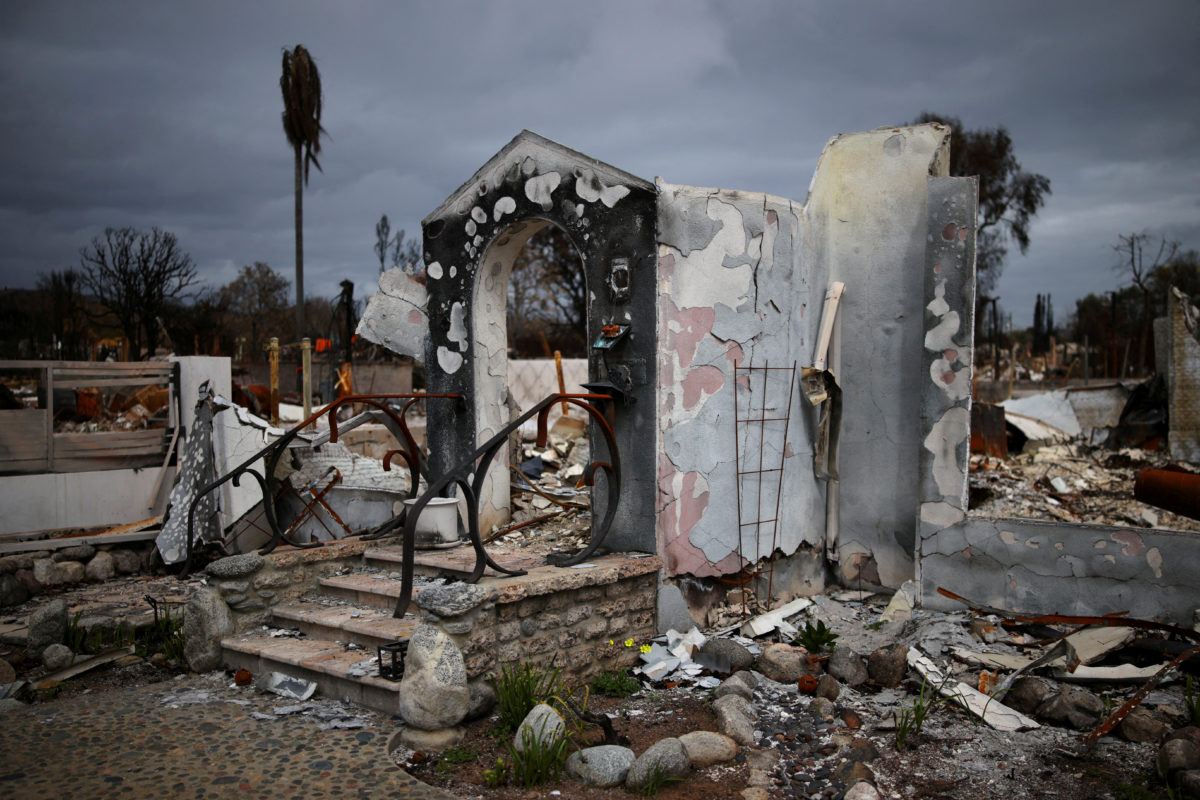
陪审团判定30岁的乔纳森·林德肯赫特在2025年1月1日引发了这场大火,火势在未被发现的情况下在植被根部蔓延,随后于1月7日再次爆发,成为加利福尼亚州历史上最具破坏性的野火之一。帕利塞兹大火烧毁了洛杉矶和马里布的多个社区,导致12人死亡。
林德肯赫特几乎没有表现出任何情绪,在离开法庭前拥抱了他的律师。他的父亲在审判期间以及宣判时均在场。林德克内希特对以火灾和纵火手段破坏财产的联邦指控表示不认罪。第一项指控的范围被缩小,仅涉及1月1日发生的拉赫曼火灾,而第二项指控则针对帕利塞兹德火灾。他两项指控均被定罪。
在6月经过两周的审判后,陪审团以10票赞成无罪、2票反对的结果陷入僵局,但检方仍继续推进此案。在提交新的起诉书进行重审时,他们放弃了第三项关于纵火焚烧木材的指控。
在第二次审判中,检方提出了更为有条理的举证,包括数字取证数据、专家证词以及林德克内希特在火灾发生前的心理状态。他们没有像之前那样着重强调他对富人和权贵的不满,而是将这起犯罪描述为出于“社会报复”的纵火行为。检察官们找到了能证明他在火灾发生地附近的证据,比如显示他的汽车停在通往火灾起点的小路底部的照片,以及能反映他在山上活动轨迹的手机信号塔数据。火灾监测摄像头的录像显示了火灾爆发的时间范围,专家们排除了当晚其他可能的起火原因,包括烟花。
通过优步乘客的证词以及他当时发给女友的短信,他们确定在火灾发生前的几个小时里,林德克内希特的举止异常且情绪暴躁。
“他对一切都感到愤怒和沮丧,”美国助理检察官马克·威廉姆斯说道。
火灾发生后,林德克内希特在沿山往下走的过程中拨打911电话超过十几次。检察官们展示了他在打电话时用手机录制的视频。在通话过程中,他还询问ChatGPT:“如果因为我的香烟引发了火灾,你有责任吗?”检察官称,这些内容是林德克内希特试图为自己制造的不在场证明的一部分。他们还提供了大量证据,说明火灾调查人员是如何确定帕利塞兹大火是林德克内希特引发的初始火灾的余火。陪审团被要求不要考虑洛杉矶消防局在灭火过程中的作用。林德克内希特的辩护律师史蒂夫·哈尼对政府的指控表示怀疑,称其证据毫无说服力。哈尼指出,由于该地区在1月7日帕利塞兹大火发生前对公众开放,火灾现场可能已被破坏。“有六天时间,任何人都能够进入政府现在称之为犯罪现场的地点,”他说。辩护方还请来了自己的专家证人,其中包括一名美国林业局的退休火灾调查员,该调查员认为火灾起源地与政府得出的结论不同。汉尼指出,由于手机信号记录缺失,政府无法断定那晚火灾发生点附近没有其他人,并提到了一个邻居的证词,称他看到一群青少年从步道起点方向逃走。他告诉陪审团,应忽略与林德克内希特性格相关的任何证据,比如他那些愤怒的短信,因为这些“只是关于那个人的证据,而非关于犯罪行为的证据”。最后,汉尼提出了另一种引发火灾的解释——烟花。包括两名邻居和一名当地消防员在内的多名目击者都称,他们听到从火灾据称发生的山丘方向传来巨大的爆炸声。检察官表示,在该地区摄像头拍摄的数千张当晚画面中,没有一张显示火灾发生地山丘上空有烟花。
原文
LOS ANGELES (AP) — The man accused of sparking last year's deadly Palisades Fire was found guilty of arson charges Friday after his first federal case earlier this year ended in a mistrial.
READ MORE: Mistrial declared after jury deadlocks in arson trial over deadly 2025 Palisades Fire in Los Angeles
Jurors convicted Jonathan Rinderknecht, 30, of lighting a fire on Jan. 1, 2025, that burned undetected deep in root systems before flaring back up Jan. 7, becoming one of the most destructive wildfires in California history. The Palisades Fire killed 12 people as it incinerated entire neighborhoods in Los Angeles and Malibu.
Rinderknecht, with little apparent reaction, gave his attorneys hugs before leaving the courtroom. His father was present for the trial and as the verdict was read.
Rinderknecht pleaded not guilty to federal charges of destruction of property by means of fire and arson. The scope of the first charge was narrowed to only include the Jan. 1 blaze, known as the Lachman Fire, and the second addresses the Palisades Fire. He was convicted on both charges.
Prosecutors continued to pursue the case after Rinderknecht's first jury deadlocked 10 to 2 in favor of acquittal after a two-week trial in June. They dropped a third charge of timber set afire when they filed a new indictment for the retrial.
During the second trial, prosecutors presented a more tightly organized case that presented digital forensic data, expert testimony and Rinderknecht's state of mind in the hours leading up to the fire. They did not focus as much on his resentment toward the rich and powerful to present the crime as arson motivated by "societal revenge" like they previously did.
Prosecutors zeroed in on evidence placing him at the fire's origin area, such as photographs that showed his car parked at the base of a trail leading up to where the fire started and cellphone tower data pointing to his movement on the hill. Fire detection camera images showed the time window the blaze ignited, and experts eliminated any other source of ignition that night, including fireworks.
They established that Rinderknecht was acting erratic and angry in the hours leading up to the fire through the testimony of Uber passengers and texts sent to his girlfriend at the time.
"He was mad at everything, and frustrated," said Assistant U.S. Attorney Mark Williams.
After the fire began, Rinderknecht called 911 more than a dozen times as he walked down the hill. Prosecutors presented the video he screen-recorded on his phone while calling. As he was calling, he asked ChatGPT: "Are you at fault if a fire is lit because of your cigarettes?"
These were part of an alibi Rinderknecht was trying to create for himself, prosecutors said.
They also presented extensive testimony on how fire investigators determined the Palisades Fire was a holdover fire from the initial blaze Rinderknecht sparked. Jurors were instructed not to consider the Los Angeles Fire Department's role in putting out the fire.
Rinderknecht's defense attorney Steve Haney casted doubt on the government's case and said that their evidence proves nothing.
Haney said the fire scene could have been compromised because the area was accessible to the public until the Palisades Fire started Jan. 7.
"Six days of anyone and everyone walking across the spot the government now calls a crime scene," he said.
The defense called their own expert witnesses, including a retired fire investigator for the U.S. Forest Service who argued the fire origin area was different from what the government concluded.
Haney argued the government could not conclusively say there was no one else by the fire ignition point that night because of missing cell data records, and pointed to a neighbor's testimony that he saw a group of teenagers running away from the direction of the trailhead.
He told jurors to disregard any evidence related to Rinderknecht's character, such as his angry text messages, because they were "evidence of the man, not evidence of the act."
Finally, Haney presented an alternate explanation for what ignited the fire — fireworks. Multiple witnesses, including two neighbors and a local firefighter, all said they heard a loud bang or explosion from the direction of the hill the fire purportedly started on.
In the thousands of images of the evening collected from cameras in the area, none showed fireworks in the sky above the hill where the fire started, prosecutors said.