国际政治
习-普京-特朗普峰会象征意义浓厚,实质内容匮乏,算不上“雅尔塔会议2.0”
中文译文
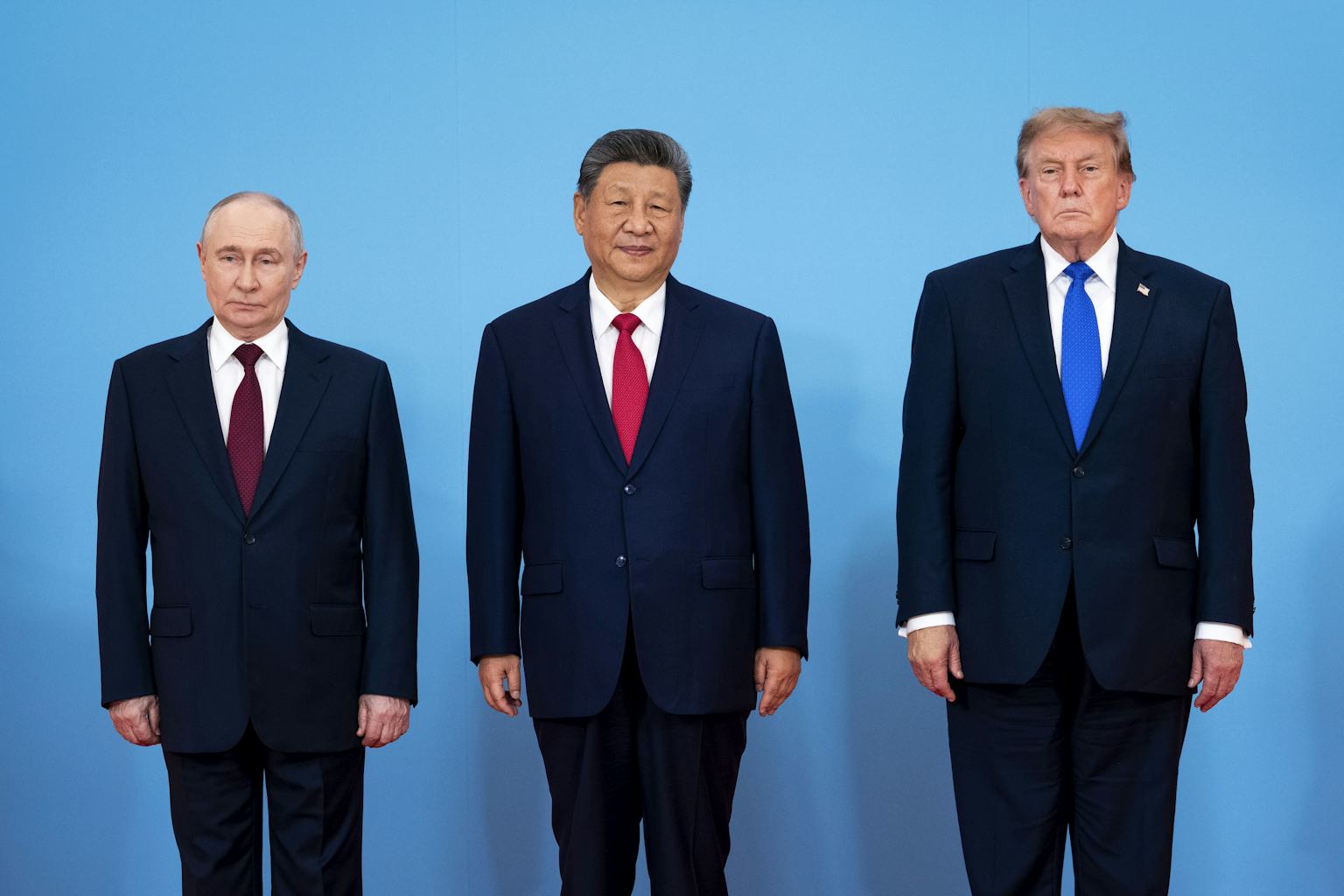
这场会议被誉为年度具有历史意义的峰会。2026年11月19日,唐纳德·特朗普、弗拉基米尔·普京和习近平在中国深圳,在亚太经济合作组织峰会的间隙举行了首次三国领导人会晤。
在会谈开始前,三方有许多议题需要讨论:包括正在持续的乌克兰战争、中东冲突以及人工智能技术的快速发展等。
但90分钟的对话究竟取得了什么成果?
作为哈佛肯尼迪学院的美中关系专家,我认为这次会谈形式上很有看头,但实质内容相对不足。
那么,这次会议有哪些关键成果呢?
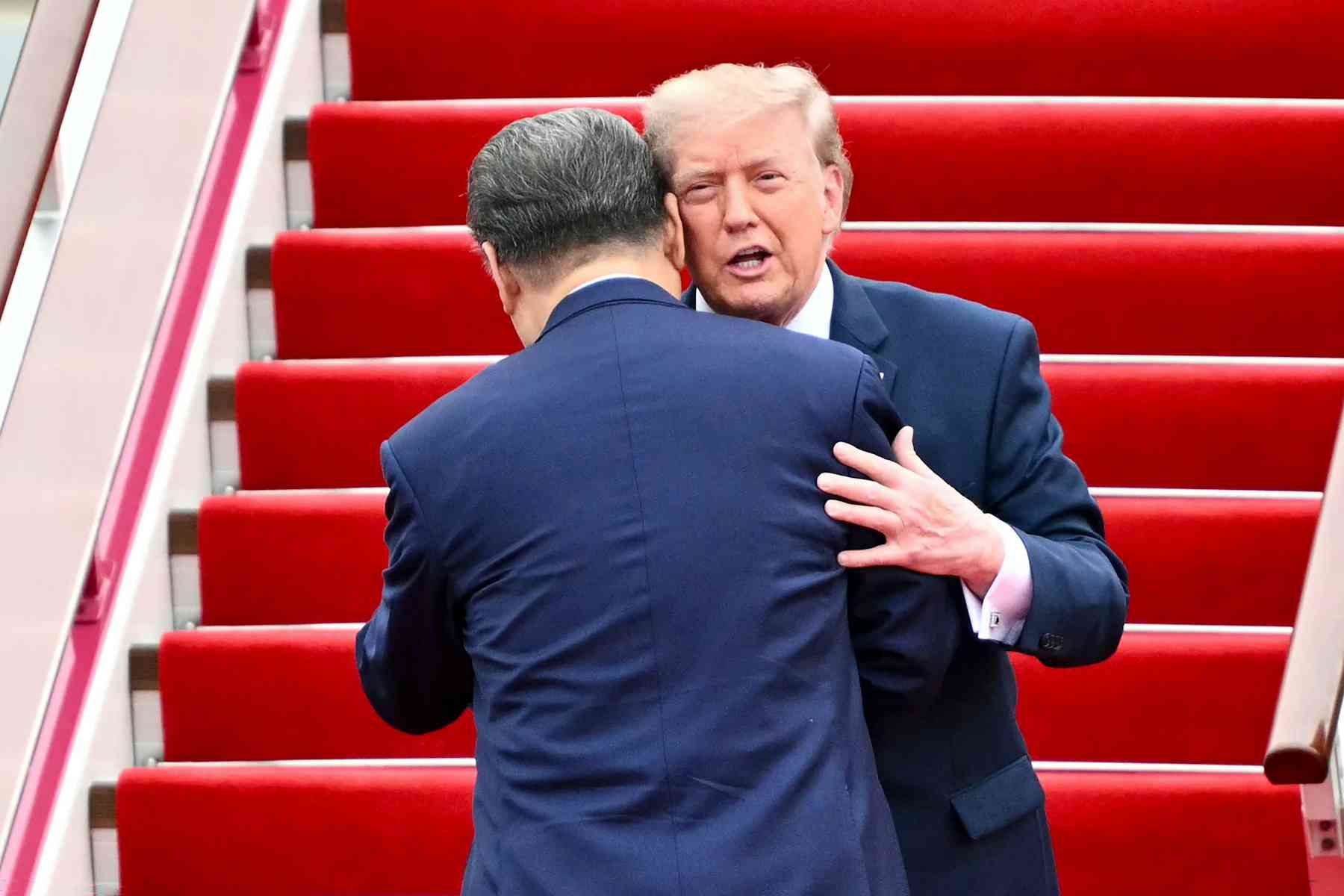
首先值得关注的是此次会议的象征意义。在深圳举行的会谈中,很多内容都体现在三位领导人的肢体语言、互动方式上,而这些或许能反映出他们对自己在潜在新全球秩序中的定位。甚至在领导人们坐下之前,这一幕就已经展现出来了。此次访问伊始,当特朗普抵达深圳时,习近平出面迎接他。在中国,由国家主席在机场迎接外国领导人被视为一种特殊的荣耀。
接着是拥抱——这确实前所未有。我以前从未见过中国共产党的总书记拥抱任何人,更不用说他的政治局同僚了。
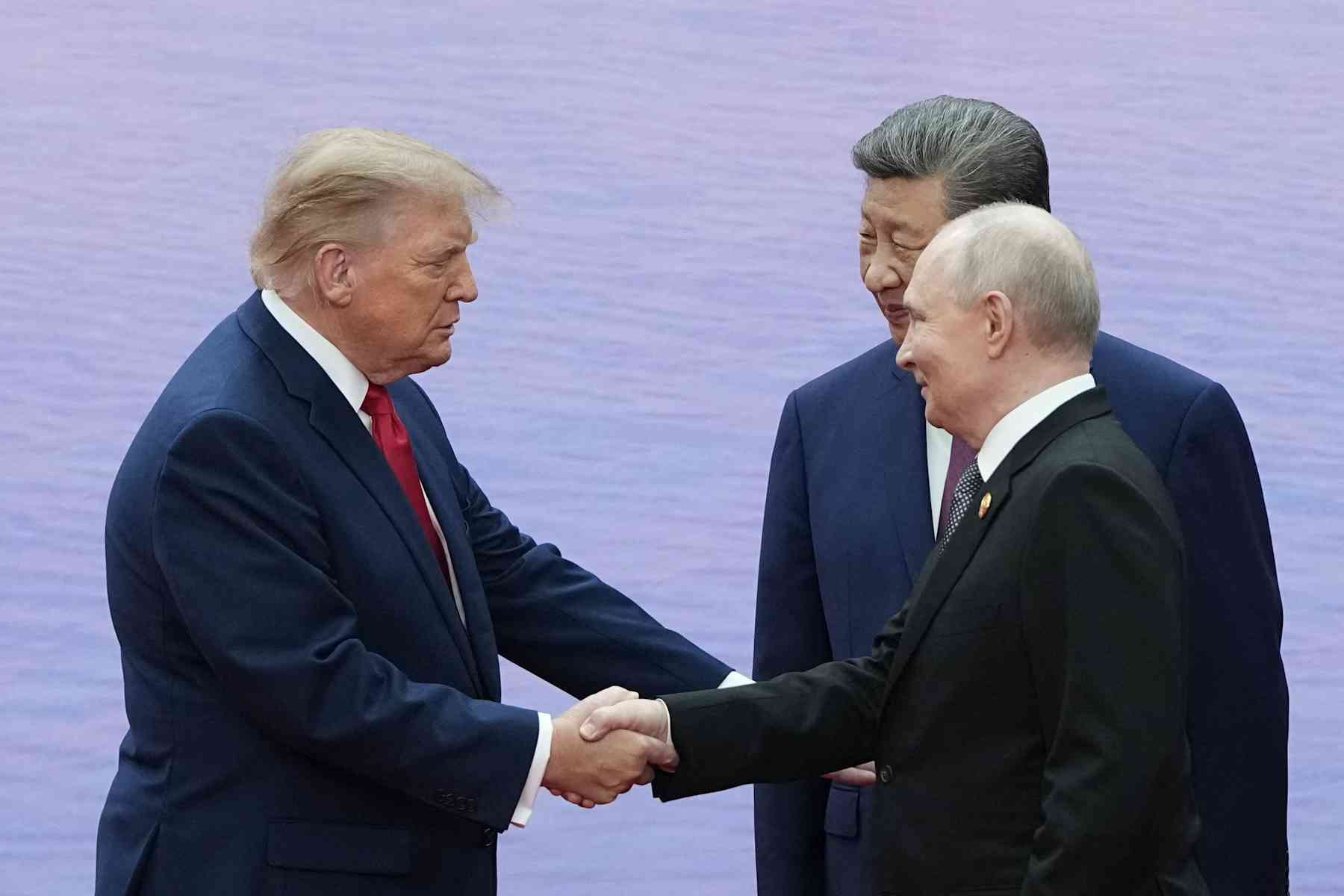
当然,这一切都是精心安排的。但这种氛围一直延续到了峰会期间。那张有特朗普、普京和习近平围坐在大桌子旁的照片也具有象征意义。看看谁坐在中间:是习近平。由此可以看出,中国试图以“天下之中”的形象来稳定世界局势。无论这是否准确反映了中国的全球影响力,这都不重要——重要的是习近平希望北京能以这样的形象被看待。
不过,在政策层面,实际上并没有取得太多成果,但我们确实得以一窥三位领导人心中的考量。因此,我们谈到了改革联合国——三人都认为这是必须做的。特别是中国希望在该组织中获得更多权力,而特朗普则对这一国际机构越来越失望。
此外,还有很多关于核武器控制的讨论。事实上,三人都签署了一份文件,其中提出了相关声明与愿景,但具体承诺较少,旨在遏制核威胁。有趣的是,这一切都是基于美国总统罗纳德·里根和苏联领导人米哈伊尔·戈尔巴乔夫在1985年首次提出的那句话:“核战争无法取胜,绝不能发动。”
三位领导人都在文件上签了名,但在如何实施核控制方面并没有太多实质内容。相关的主要条约早已到期,而在核能力方面落后于华盛顿和莫斯科的北京,或许对此有不同的看法。
有哪些问题没有得到讨论?在本次会议中未得到任何实质性讨论的重要问题,是三个国家中的两个国家的境内正在进行的战争。
对特朗普而言,指的就是伊朗。自冲突爆发近九个月后,华盛顿仍未能使其结束。此次峰会时的想法可能是,如果中国甚至俄罗斯能够协助向伊朗施压并结束冲突,那将是一件好事。
但我认为,美国无法结束伊朗战争这一状况,恐怕并非俄罗斯和中国急于解决的事情。无论如何,在这次会议上,双方似乎都不愿放弃手中的关键筹码——即在此事上对华盛顿提供援助。在欧亚大陆的另一端是乌克兰。此次峰会上并未提及其名称。除了三位领导人立场不同之外,乌克兰的欧洲盟友也并未出席——在普京和习近平在场的情况下,特朗普若再谈论乌克兰问题,对欧洲而言无疑压力过大。
除了这些冲突之外,三位领导人并未讨论人工智能监管和关键矿产供应链问题。但这并不意味着这些在美国与中国经济竞争中的重要议题在深圳举行的双边会谈中未被提及。或许这些议题是在更为私密、低调的场合中讨论的。
这被称作“雅尔塔会议2.0”——真的是这样吗?这与雅尔塔会议有一些相似之处——那是1945年2月举行的一次峰会,英国的温斯顿·丘吉尔、苏联的约瑟夫·斯大林以及美国总统富兰克林·D·罗斯福在会上规划了二战的结束,并开始讨论战后的欧洲局势。但这些相似之处主要体现在三位领导人围坐一堂的画面上。
当然,那时的“三大国”还包括英国,没有中国。仅这一点就足以说明80年来地缘政治发生了多大的变化。
此外,1945年时斯大林、罗斯福和丘吉尔都处于同一阵营,他们是战友关系,但随着冷战的发展,彼此关系逐渐疏远。
而这次情况很可能恰恰相反。中国和俄罗斯是合作伙伴,而美国则被视为他们的对手。
特朗普或许希望的是缓和局势,而非新的冷战。这是否意味着俄罗斯、中国和美国将会携手构建一种新的秩序?我想欧洲人对此或许也有话要说。
原文
It was touted as a history-making summit of the year. Presidents Donald Trump, Vladimir Putin and Xi Jinping sat down on Nov. 19, 2026, in Shenzhen, China, on the sideline of the Asia-Pacific Economic Cooperation summit, for the first such trilateral meeting of the three leaders.
Going into the talks, the trio had much to dicuss: the ongoing war in Ukraine, Middle East conflict and the march of artificial intelligence technology chief among them.
But what did 90 minutes of conversation deliver?
As an expert on U.S.-China relations at Harvard Kennedy School, I saw a lot of style, but less substance.
What were the key takeaways from the meeting?
The first thing to pay attention to is the symbolism of the occasion. And so much of what was presented in Shenzhen was about the body language of the three men, their interactions and what that may indicate in regards to how they view themselves in a potentially new global order.
And this was on show even before the leaders sat down. At the beginning of the trip, when Trump landed in Shenzhen, he was met by Xi. Meeting a foreign leader at the airport is seen as a special honor bestowed by the Chinese president.
And then came a hug – that really was unprecedented. I haven’t seen the general secretary of the Chinese Communist Party hug anyone before – certainly not his Politburo comrades.
It was all choreographed, of course. But it continued into the summit itself. The picture of a big table with Trump, Putin and Xi there is also symbolic. And look who was in the middle: Xi. Here we have China presenting as the “Middle Kingdom,” steadying the world. Whether that is an accurate depiction of China’s global presence is beside the point – it is how Xi would like Beijing to be seen.
In terms of policy, however, not much was actually done, but we did get a glimpse of what was on the three leaders’ minds.
So we had talk of reforming the U.N. – something all three agree needs to be done. In particular, China wants more power in the organization, while Trump has become increasingly disillusioned with the international body.
And there was also a lot of discussion on nuclear weapons controls. In fact, all three signed off on a document that made statements and aspirations – with fewer commitments – to tamping down nuclear threats. Interestingly, this was all based around a phrase that U.S. President Ronald Reagan and Soviet leader Mikhail Gorbachev first aired in 1985: “Nuclear war cannot be won, must never be fought.”
All three leaders signed onto the phrase, although there was not an awful lot of substance on how nuclear controls would be implemented. The main treaties on the matter expired a while ago, and Beijing, which lags behind Washington and Moscow in regards to capacity, may have different thoughts on the matter.
What wasn’t discussed?
The big thing not discussed in any substantive way was the wars raging in the domains of two of the three nations.
For Trump, that means Iran. Washington has not been able to bring the conflict in Iran to a conclusion some nine months after it began. The thinking going into the summit may have been that if China – or even Russia – were able to help pressure Iran and bring an end to the conflict, that would be encouraged.
But the spectacle of the U.S. not being able to end the war in Iran is not, I suspect, something that the Russians and Chinese are in a rush to bring to an end. In any case, neither appeared willing to give up a key card – assistance to Washington in the matter – in this meeting.
At the other end of that Eurasian spectrum is Ukraine. It was not mentioned by name at the summit. Besides the fact that the three leaders are not on the same side of the conflict, there is also the fact that Ukraine’s European allies were not in the room – and it would have been far too much for Europe for Trump to make news on Ukraine in the company of Putin and Xi.
Beyond those conflicts, AI regulation and critical mineral supply chains were not discussed by the three leaders. But that isn’t to say that those issues – crucial ones in the U.S.-China economic rivalry – were not brought up in the bilateral conversations that took place in Shenzhen. It may be that they were heard in these more discreet, private settings.
This was touted as Yalta II – was it?
There were some immediate similarities with the Yalta Conference – the February 1945 summit at which the U.K.’s Winston Churchill, Joseph Stalin of the Soviet Union and U.S. President Franklin D. Roosevelt planned out the end of World War II and began discussing postwar Europe. But these were largely about the imagery of the three men around the table.
Of course, the big three then included Britain; there was no China. That alone tells you how much geopolitics has changed over 80 years.
Also, Stalin, Roosevelt and Churchill were all on the same side in 1945. It was a case of comrades in arms that would soon be drifting apart as the Cold War developed.
Here it may well be the other way around. China and Russia are partners, but the U.S. is seen as their adversary.
What Trump may want is detente rather than a new Cold War. Does this mean an emerging policy of Russia, China and the U.S. coming together in a new order? I imagine the Europeans may have something to say about that.