国际政治代表报道
缅甸种族灭绝案裁决是国际司法领域的转折点,对其他案件也将产生深远影响。
中文译文
2026年11月19日,国际法院就缅甸犯下种族灭绝罪问题作出具有历史意义的裁决,这一裁决将对涉案各方产生重大影响,或许也会波及一些无关方。
海牙法院在“冈比亚诉缅甸”案中作出的这一备受期待的判决,对2019年向该法院提起投诉的西非小国冈比亚而言是重大胜利,同时也将成为缅甸军事领导层必须承担责任的重大时刻。
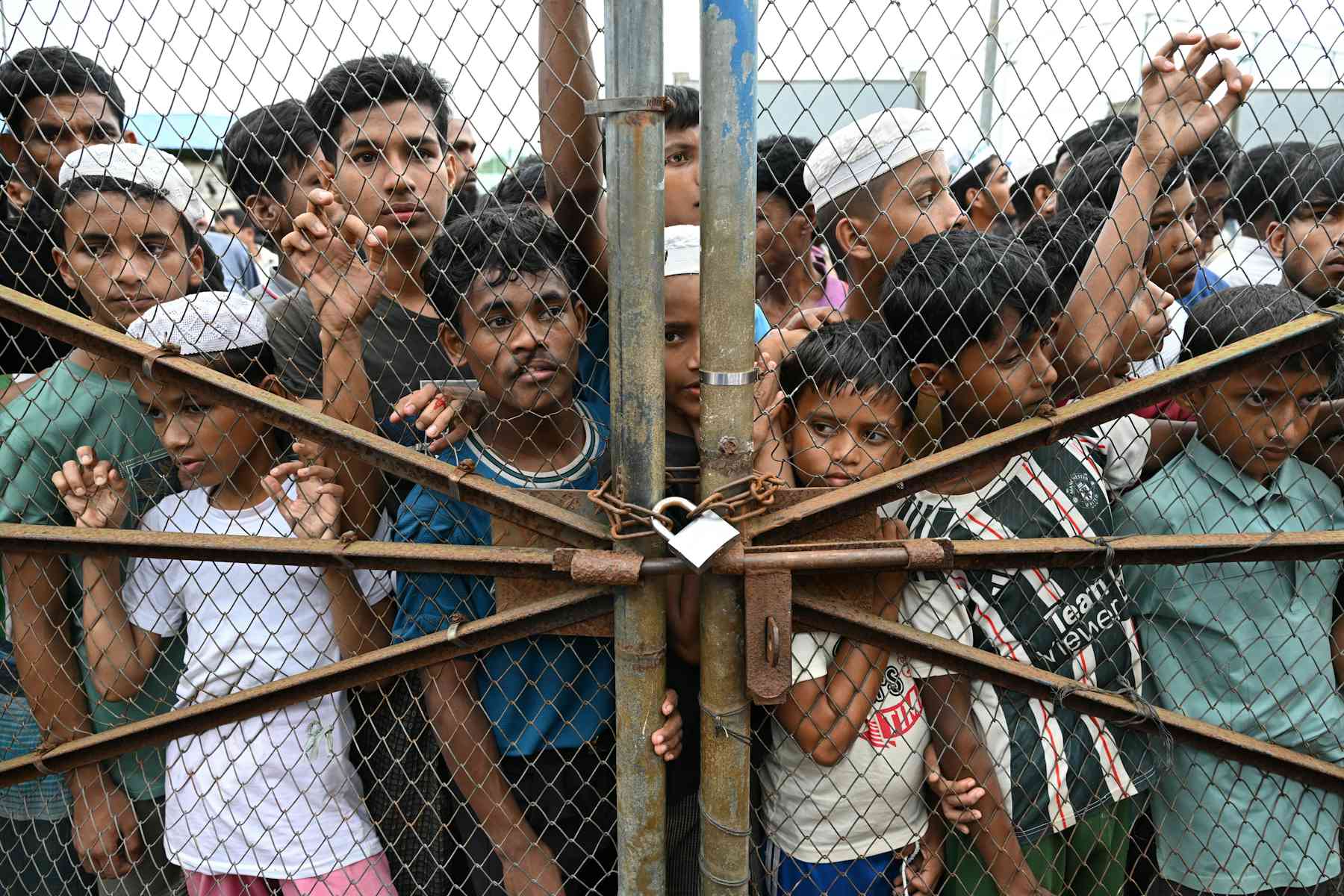
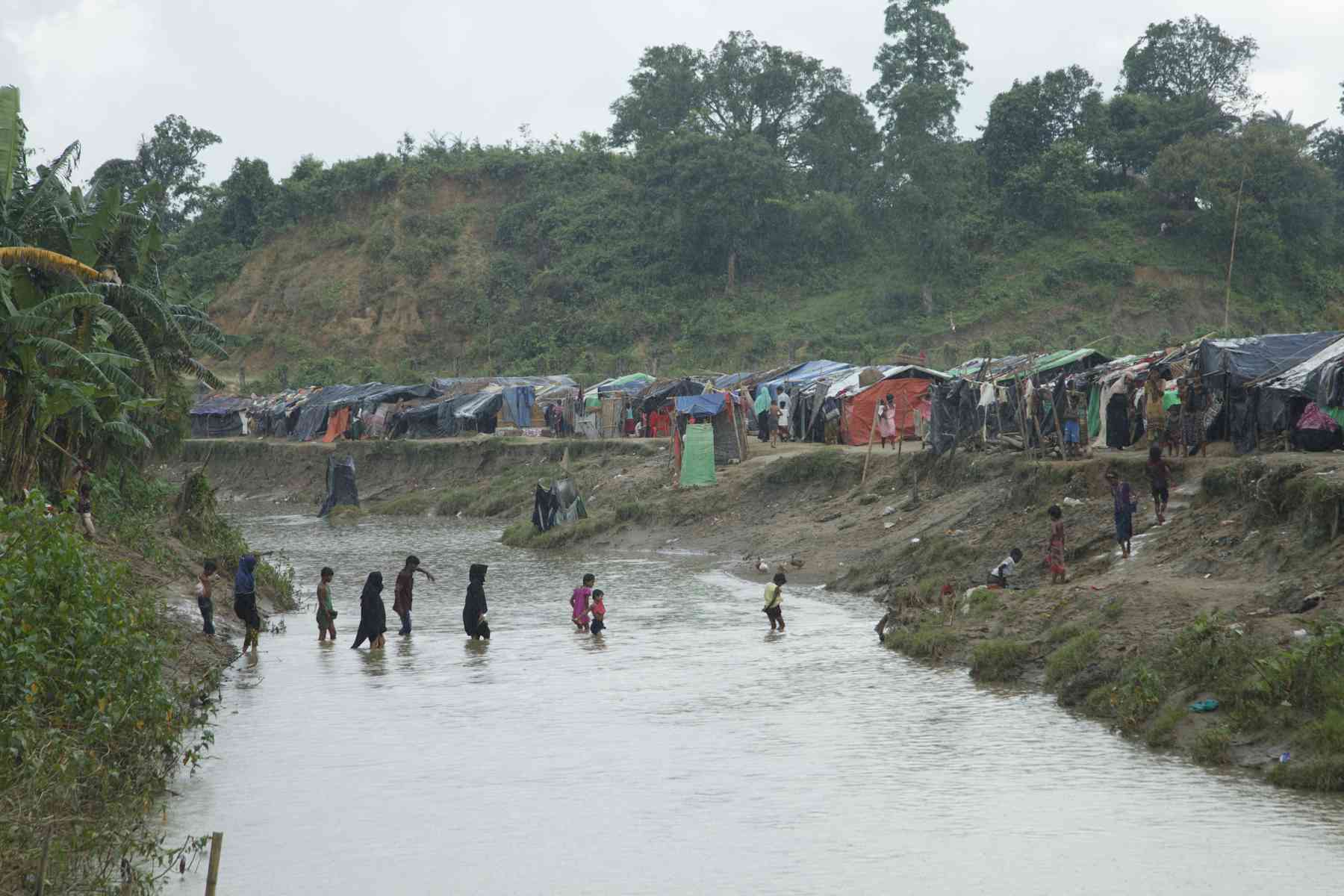
但作为研究种族灭绝和防止大规模暴行问题的专家,我认为这一裁决的影响远不止于这两个国家。事实上,它也是国际司法事业的一个转折点,必然会对法院正在审理的其他种族灭绝案件产生重要影响,尤其是“南非诉以色列”案。冈比亚提交的案件涉及缅甸军政府在其长达数十年的针对该国穆斯林罗兴亚少数群体的暴力迫害过程中所实施的行动,缅甸军政府将这些行动称为“清剿行动”。缅甸军方将这些行动视为反叛乱行动。然而在那些袭击中,有证据显示士兵们摧毁了数百个罗兴亚人村庄,并犯下了大规模的强奸、酷刑和即决处决行为。尽管2017年袭击造成的确切死亡人数可能永远无法确定,但据估计至少有10,000名罗兴亚平民死亡,约750,000名罗兴亚人逃往邻国孟加拉国。他们在那里与其他罗兴亚人一起生活,形成了目前世界上规模最大的难民营,那里居住着120多万人,其中包括那些早已在缅甸政府的迫害和袭击中逃难而来的人。法院认定缅甸军队嘅袭击行为构成种族灭绝,这一裁决是基于其对1948年《联合国种族灭绝公约》中种族灭绝罪行的解读,该公约是联合国大会通过的首项重要国际条约。
要构成种族灭绝行为,必须针对某个民族、宗教、种族或国家群体,并且必须包含五种被禁止行为中的至少一种:杀害该群体成员;对该群体成员造成严重的身体或精神伤害;故意制造条件以摧毁该群体;实施旨在阻止生育的措施;或强行将该群体中的儿童带走。
除了这些事实要求之外,种族灭绝还要求实施者具有彻底或部分摧毁该群体的特定意图。在裁决中,法院认定缅甸的袭击行为符合种族灭绝的法律定义。对于证明存在摧毁某一群体的“特定意图”这一极为困难且要求严格的标准,法院认为,针对罗兴亚人村庄的袭击所呈现的模式、有针对性的攻击以及致命性,无法合理地被解释为反叛乱行动。
法院认定,从军方的行为中唯一能得出的合理推论,就是其具有摧毁罗兴亚少数民族的特定意图。
一系列历史性突破
法院的这一裁决在许多重要方面都堪称史无前例。
在2007年“波斯尼亚和黑塞哥维那诉塞尔维亚和黑山”案中,法院曾就违反《种族灭绝公约》的行为作出过一项具有影响力的裁决,当时法院仅认定塞尔维亚未能履行防止种族灭绝的法律义务,因为它没有运用自身影响力来约束波斯尼亚塞族军队,从而导致了1995年的斯雷布雷尼察大屠杀。相比之下,在关于缅甸的判决中,法院首次裁定,一个国家应对实施种族灭绝行为承担法律责任——而不仅仅是未能阻止此类行为。
此外,法院还首次裁定,实施种族灭绝的国家对受害群体负有多项义务。这些义务包括制定并实施全面的赔偿计划为受害者提供补偿;创造条件让罗兴亚人能够安全、自愿且体面地返回家园;以及恢复他们因1982年国家立法而失去的公民身份。
最后,法院还要求缅甸采取措施,调查所有参与种族灭绝的人,以确定各自的刑事责任。由于国际法院并非刑事法院,仅审理国家间的案件,这一命令明确将该裁决与那些能够追究个人犯罪责任的法院联系在了一起。这些机构包括国际刑事法院——该法院早已为缅军领导人敏昂莱申请了逮捕令——以及可能依据普遍管辖权原则提起公诉的各国法院。
该裁决的更广泛影响
法院在“冈比亚诉缅甸”案中的裁决很可能产生远远超出该案件本身的巨大影响。
在提交诉状时,冈比亚提出了一种创新的论点来证明自己具有诉讼资格。它主张所谓“erga omnes partes”的原则,大致可译为“针对条约的所有缔约方”。根据这一逻辑,《灭绝种族罪公约》规定了防止和惩治灭绝种族罪的严格法律义务,因此任何国家,即便没有直接受到损害,也有资格——事实上也有义务——寻求法律救济。通过采纳冈比亚的“对所有相关方均适用”原则,法院为其他涉及违反《灭绝种族公约》的案件开辟了途径。其中最为重要的当属正在审理的南非诉以色列案,该案指控以色列政府和以色列军队在加沙地带对巴勒斯坦平民实施灭绝种族行为。今后,其他国家也将拥有法律手段,迫使犯下最严重国际罪行的国家承担相应责任。
国际法院没有强制执行机构。因此,无法迫使缅甸政府遵守其裁决,无论是停止对罗兴亚人的进一步攻击和迫害,还是努力让他们回国,或是制定全面的赔偿计划。但即便缅甸选择无视法院的明确命令,这一裁决仍对其构成重大打击。作为首个被认定犯有国家支持的种族灭绝罪的国家,缅甸的声誉很可能遭受严重损害。此外,这一裁决还将为那些主张其他国家有义务不以任何可能支持或助长针对罗兴亚人的进一步攻击的方式援助缅甸的观点提供依据。
虽然这并不意味着其他国家一定会履行国际法赋予他们的义务,但许多国家仍可能利用这一裁决来加强多边努力,对缅甸军政府施加政治、经济和社会压力。这些措施可能包括针对性的经济制裁、金融限制、武器销售禁令以及与缅甸政府的其他形式合作限制。因此,这一裁决可能会给缅甸军政府带来沉重的代价。鉴于过去20年来国际法律机构整体日益衰弱,联合国安理会功能失调,而国际刑事法院也遭到特朗普政府的打压,该法院的裁决堪称国际正义的难得胜利,为防止种族灭绝及追究责任开辟了新途径。
不过,这首先也是罗兴亚人的胜利——这个民族数十年来一直遭受迫害。
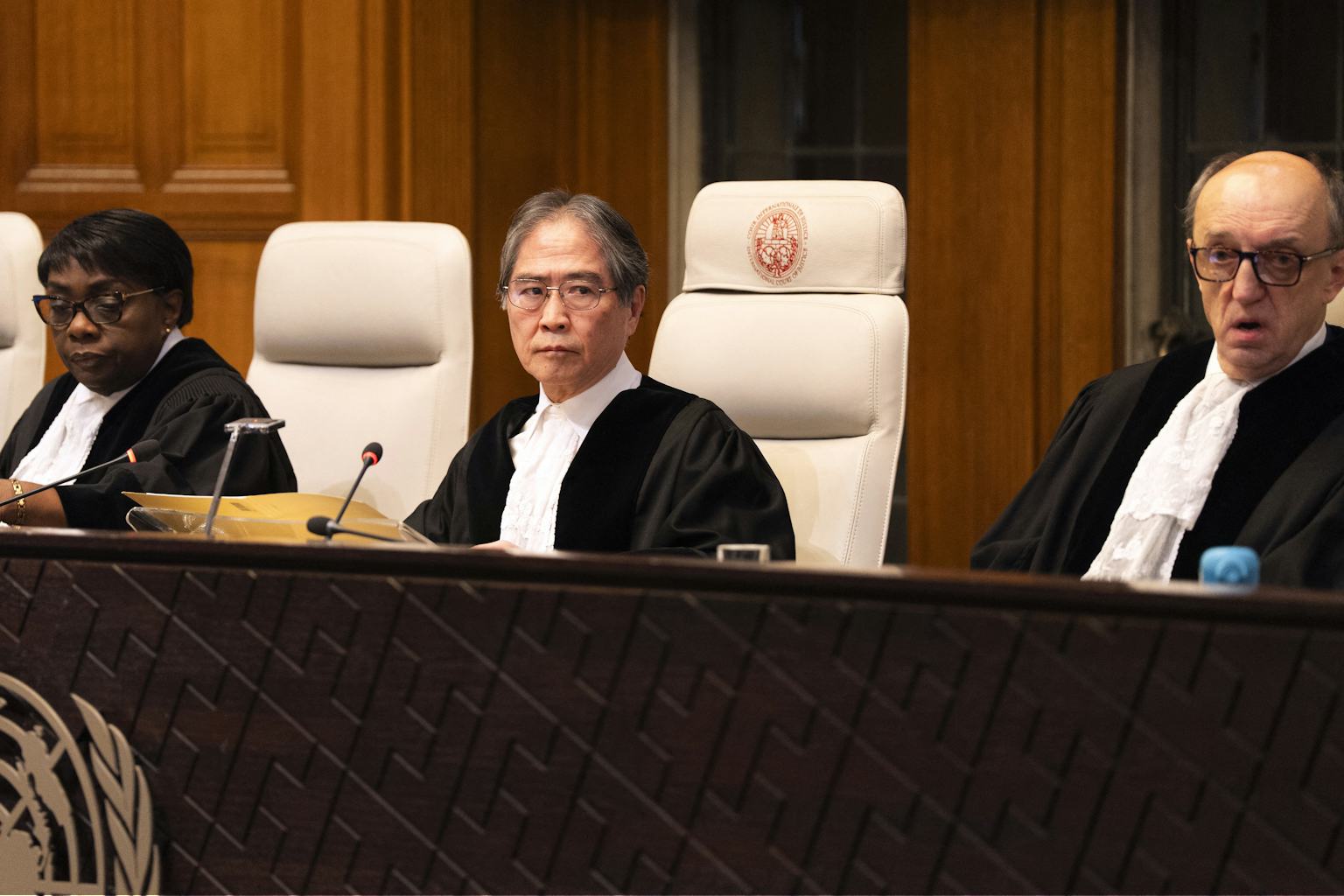
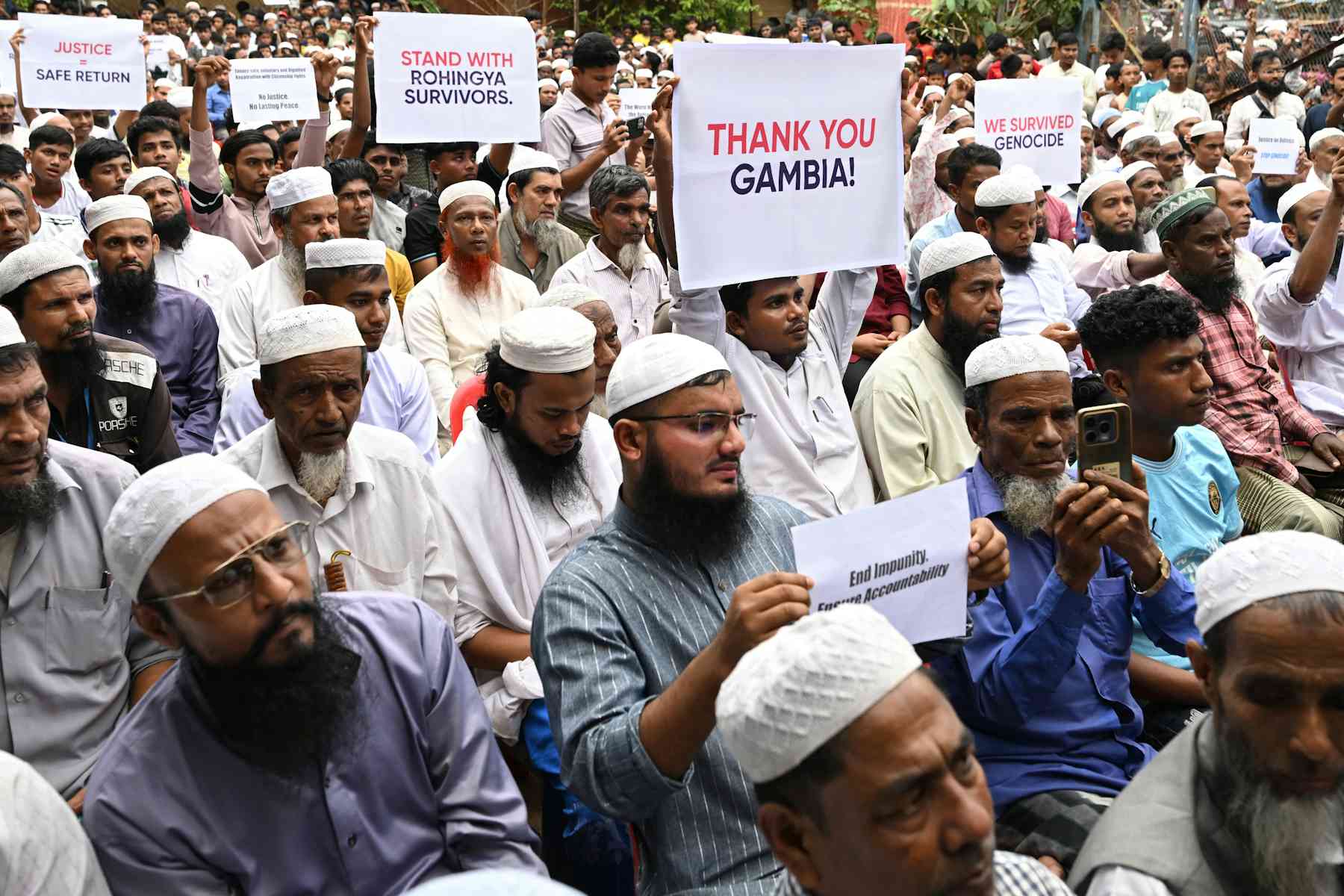
数千人在孟加拉国的难民营中聚集,观看并欢呼着法院院长岩泽雄二宣读判决。当裁决宣布时,难民营的居民们高举标语,呼喊着简单的一句话:“感谢冈比亚。”
原文
The International Court of Justice’s historic ruling of genocide against Myanmar on Nov. 19, 2026, will have significant consequences for the parties involved in the case – and potentially some who are not.
The Hague’s highly anticipated judgment in Gambia v. Myanmar is a major victory for Gambia, the tiny west African nation that filed a complaint with the court against Myanmar in 2019. It is also a major moment of accountability for the military leadership of Myanmar.
But as an expert in genocide and mass atrocity prevention, I believe the ruling goes far beyond these nations. Indeed, it is also a watershed moment for international legal justice that is bound to have important effects on the court’s other ongoing genocide cases, particularly the case of South Africa v. Israel.
What the court ruled
Gambia’s case focused on actions that Myanmar’s military government called “clearance operations” in the course of its decades-long violent persecution of the country’s Muslim Rohingya minority.
The Tatmadaw, as the Myanmar military is known, justified these actions as a counterinsurgency operation. Yet in the course of those attacks, soldiers were found to have destroyed hundreds of Rohingya villages, and to have committed widespread rapes, torture and summary killings.
While the precise death toll of the 2017 attacks may never be known, at least 10,000 Rohingya civilians are thought to have died, and roughly 750,000 Rohingya fled to neighboring Bangladesh. There they joined other Rohingya in what is now the world’s largest refugee camp of over 1.2 million people, comprised of those who had already fled years of the Myanmar government’s persecution and attacks.
The court’s ruling that the Tatmadaw’s attacks amounted to genocide rested on its interpretation of the crime of genocide in the 1948 U.N. Genocide Convention, the first major international treaty approved by the United Nations General Assembly.
For an attack to be genocidal, it must be directed against an ethnic, religious, racial or national group, and must include at least one of five prohibited acts: killing members of a group; inflicting serious physical or mental harm on members; deliberately inflicting conditions calculated to bring about its destruction; imposing measures intended to prevent births; or forcibly transferring children from the group.
Beyond these factual requirements, genocide requires that the perpetrator specifically intended these acts to destroy the group, in whole or in part.
In its ruling, the court agreed that the facts of Myanmar’s attacks met the legal definition of genocide. For the notoriously difficult and demanding requirement for proving the “special intent” to destroy a group, the court determined that the pattern, selective targeting and lethality of the attacks on Rohingya villages could not plausibly be explained as a counterinsurgency operation.
Instead, the only reasonable inference that could be drawn from the military’s actions, the court determined, was the specific intent to destroy the Rohingya ethnic minority.
A series of historic firsts
The court’s decision is unprecedented in many important respects.
In an influential previous ruling on violations of the Genocide Convention, in Bosnia and Herzegovina v. Serbia and Montenegro in 2007, the court found only that Serbia had not met its legal duty to prevent genocide by failing to use its influence to restrain the Bosnian Serb army in the Srebrenica massacre of 1995.
In the Myanmar ruling, by contrast, the court ruled for the first time that a country is legally responsible for committing genocide – not merely failing to prevent it.
Further, the court ruled for the first time that a country that has committed genocide also has multiple obligations toward the victim group. Those include designing and implementing a comprehensive program of reparations and compensation for victims; creating conditions where Rohingya can make a safe, voluntary and dignified return to their homes; and restoration of their citizenship status after national legislation from 1982 rendered them stateless.
Finally, the court also demanded that Myanmar take steps to investigate all those involved in the genocide to determine individual criminal responsibility. Since the International Court of Justice is not a criminal court and only hears cases between states, this order explicitly connects the ruling to other courts where individual perpetrators can be held accountable.
These include the International Criminal Court – which had already requested an arrest warrant for Tatmadaw leader Min Aung Hlaing – as well as national courts that may pursue prosecution according to the doctrine of universal jurisdiction.
The ruling’s broader implications
The court’s ruling in Gambia vs. Myanmar is also likely to have huge ramifications far beyond the case itself.
In filing its complaint, Gambia appealed to an innovative argument to establish that it had legal standing. It argued for what’s known as “erga omnes partes,” roughly translated as “toward all parties to a treaty.” According to this line of reasoning, the Genocide Convention imposes such strong legal duties to prevent and punish the crime of genocide that any state, even one that has not in any way been directly harmed, has the standing – in fact, the obligation – to seek legal remedies.
In accepting Gambia’s “erga omnes partes” approach, the court opened a pathway for other cases centering on violations of the Genocide Convention. Of these, the most significant by far is the ongoing case of South Africa v. Israel, which charges the Israeli government and the Israeli military of committing genocide against Palestinian civilians in the Gaza Strip. Going forward, other nations would now also have a legal tool for holding perpetrator states accountable for committing the most serious international crimes.
The International Court of Justice has no enforcement arm. As such, the Myanmar government cannot be compelled to abide by its rulings, whether to cease any further attacks or persecution on the Rohingya, make efforts to repatriate them or design a comprehensive reparation and compensation plan.
But even if Myanmar chooses to ignore the court’s specific orders, the ruling is a major defeat. The reputational damage of being the first country found guilty of state-sponsored genocide is likely to be considerable. Further, the ruling will support claims that other nations have a duty not to assist Myanmar in any way that might support or enable further attacks on Rohingya.
While that doesn’t automatically mean other countries will fulfill their duties under international law, many are nonetheless likely to use the ruling to bolster multilateral efforts to impose political, economic and social costs on the Tatmadaw. That could include targeted economic sanctions, financial restrictions, prohibitions on arms sales and other forms of cooperation with Myanmar’s government. The ruling thus comes with a potentially hefty price tag for the military junta.
Given the general weakening of international legal institutions over the past 20 years, a dysfunctional U.N. Security Council and an International Criminal Court under siege by the Trump administration, the court’s ruling is a rare victory for international justice and opens new routes for international genocide prevention and accountability efforts.
Before all else, though, it is also a victory for the Rohingya – a people who have suffered decades of persecution.
Thousands gathered in their Bangladeshi refugee camps to watch and cheer as the court’s president, Judge Iwasawa Yuji, read the court’s judgment. Camp inhabitants held aloft signs and chanted a simple message as the verdict came down: “Thank you Gambia.”